
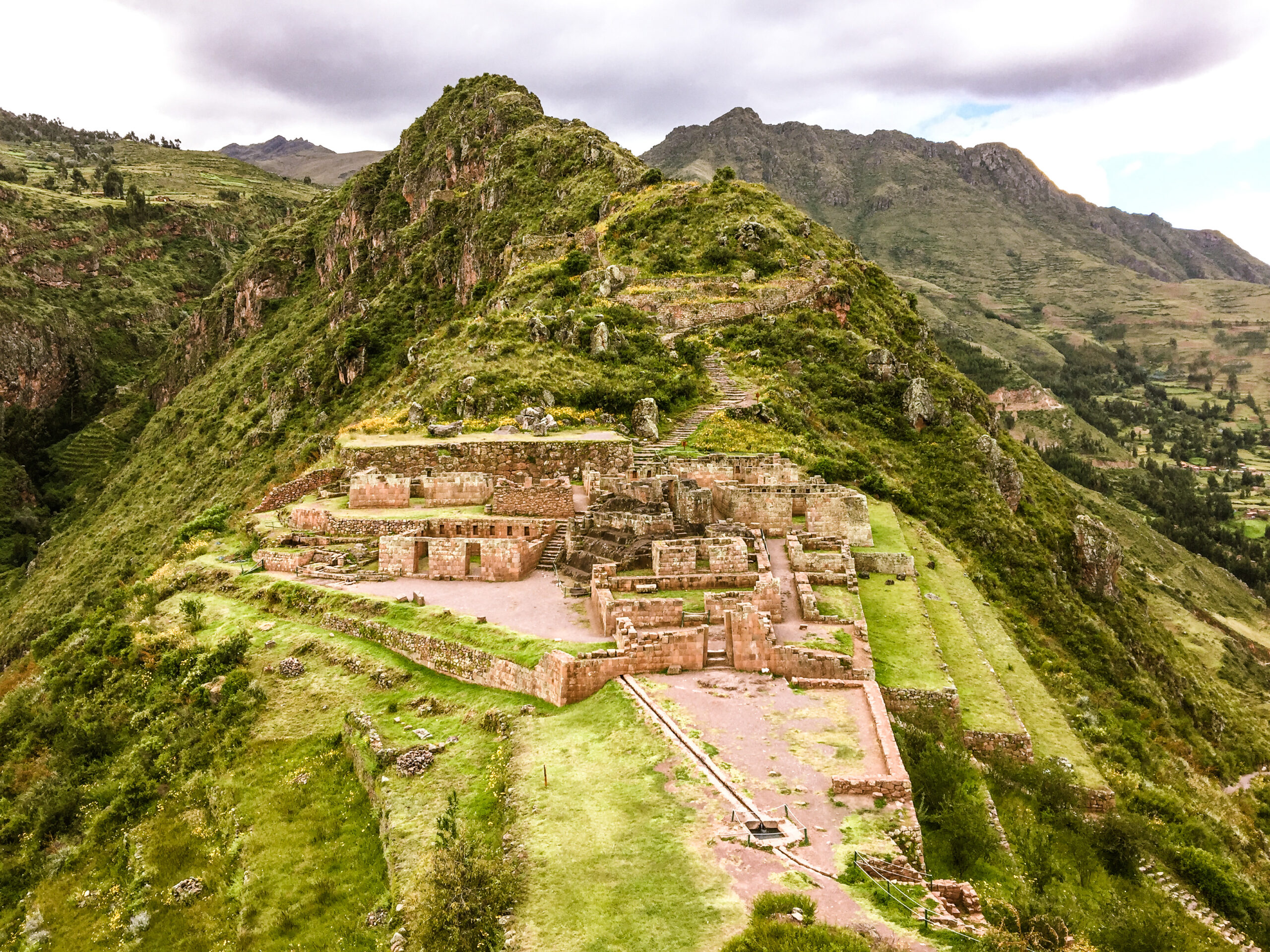
Pisac, incredible archaeological jewel of the Sacred Valley of the Incas
The Archaeological Complex of Pisac is one of the archaeological centers built by Inca Pachacútec, who determined that the presence of terraces was vital to favor agricultural cultivation. It is also known for its astronomical observatory, which was used by members of the empire to measure solstices and equinoxes.

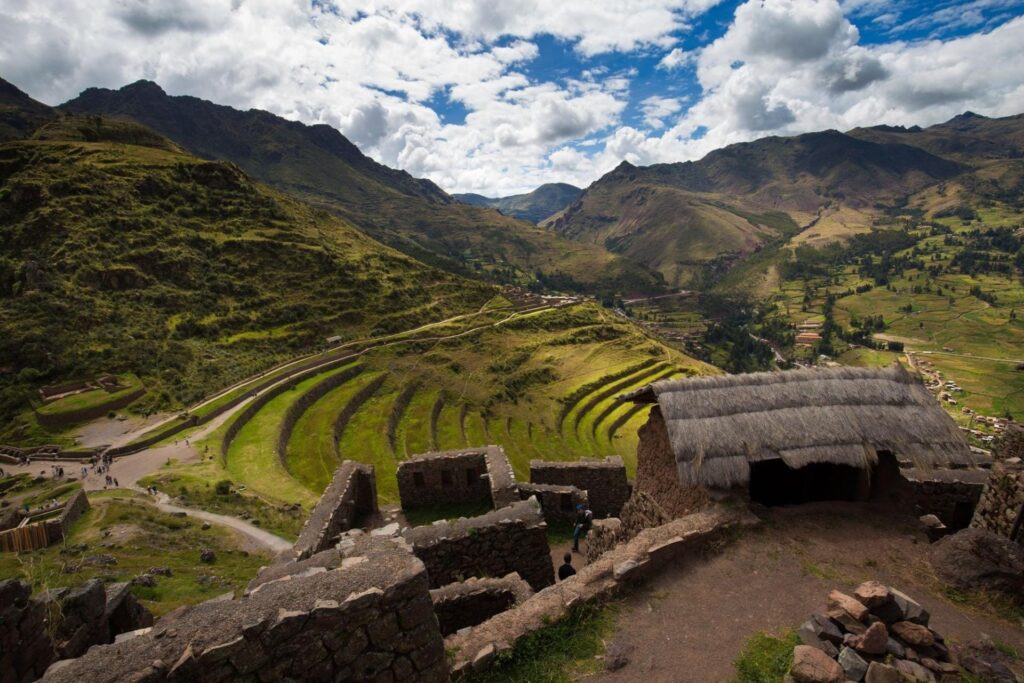
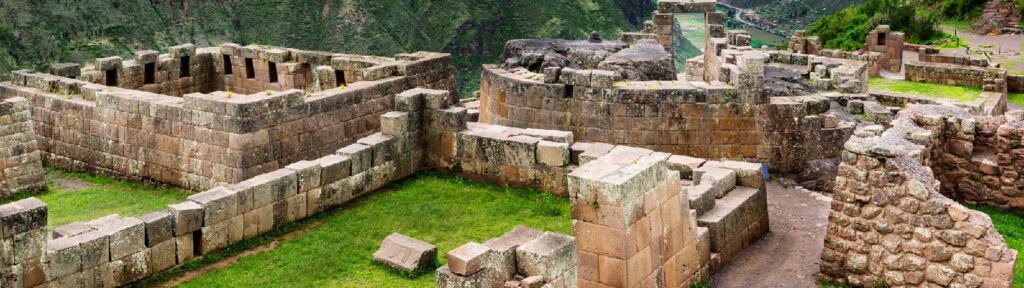
This demonstrates the advanced astronomical and spiritual knowledge of the Inca civilization. These practices were closely linked to the organization of the agricultural calendar and to religious ceremonies.
Tabla de Contenidos
Origin of the name Pisac
The word Pisac or Pisaq comes from the Quechua terms pisaq or p’isaqa, whose meaning is related to the partridge, a very common Andean bird in the region. This name reflects the close connection between Inca culture and nature, since it was common for towns and ceremonial centers to be named after animals, plants, or elements of the environment.
History of Pisac
It is an archaeological center that does not escape the famous Inca legends. The Inca city presents a very particular image: it is said that the chief Huayllapuma had a daughter named Inquill, who had to marry the man who could build, in just one night, the bridge over the Willcamayu River – currently “Vilcanota” or “Urubamba” – (a bridge of great importance for the defense of the place).
Despite the difficult task, Asto Rímac, a handsome prince, decided to accept the challenge and ask for the princess’s hand. The authorities arranged everything so that Asto Rímac could begin the work, while the princess had to climb a hill without turning back; otherwise, she and her fiancé would be turned into stone. Almost at dawn, the prince had completed the work, but Inquill, unable to endure any longer, turned back and was transformed into stone until today.
Where is Pisac located?
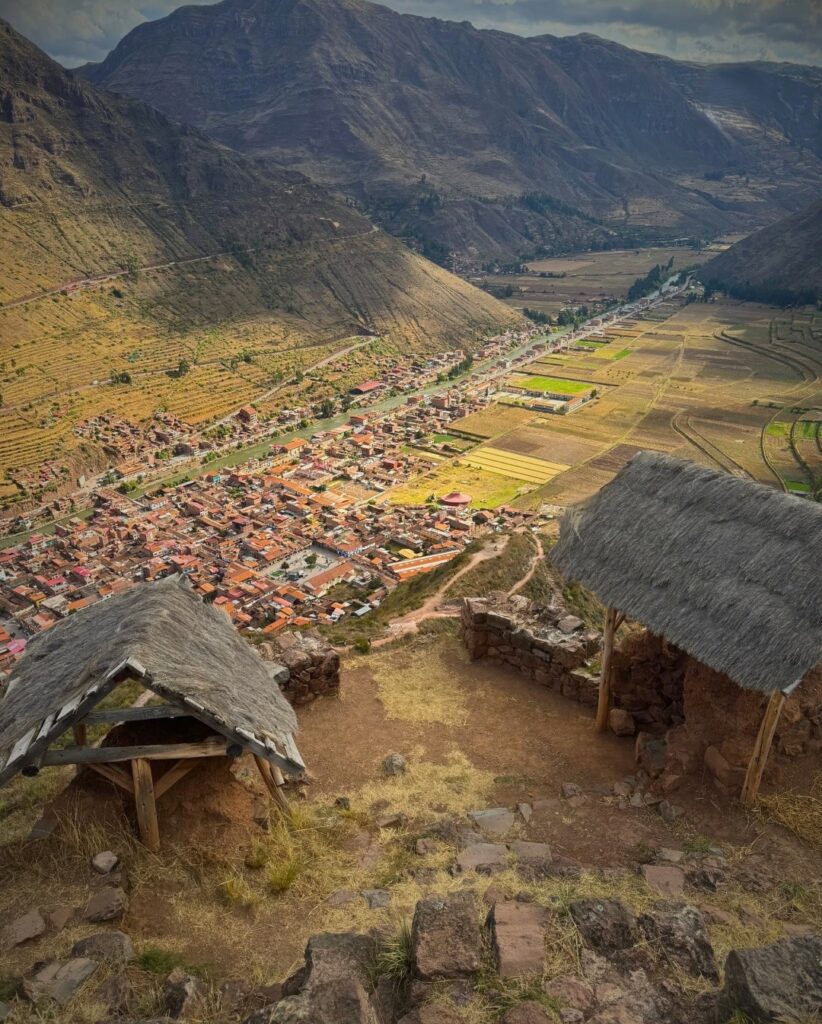
The Archaeological Complex of Pisaq is located in the department of Cusco, within the province of Calca and in the district of Pisaq, just 30 km east of the city of Cusco. This archaeological site is one of the most important in the Sacred Valley of the Incas, famous for its impressive agricultural terraces, ceremonial temples, and panoramic views that attract thousands of visitors each year.
Sectors in Pisac
Inca Cemetery of Pisac
Also known as Tantana Marka, it is considered the largest Inca cemetery in the Sacred Valley of the Incas. It is estimated to have housed more than 1,000 tombs, although research suggests there may have been up to 10,000 burials. Unfortunately, many of these tombs were looted in past times, but even today the archaeological site retains enormous historical and cultural value. This cemetery reflects the spiritual importance the Incas gave to life after death and their close relationship with the mountains and nature.
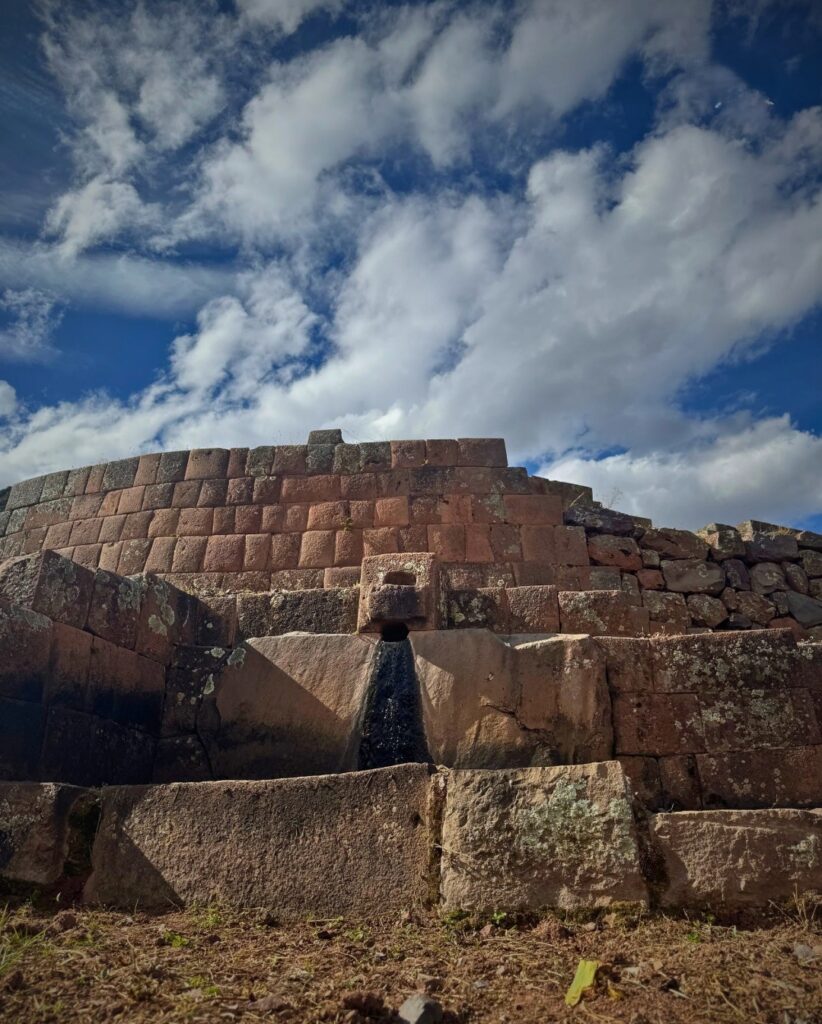
Intihuatana “to tie the sun”
The temple of the sun is embedded around a circular rock, highlighting the concept that the mountains had a sacred character. A finely finished circular wall is located in this sector, denoting the importance it had in relation to the entire complex.
Q’alla Q’asa
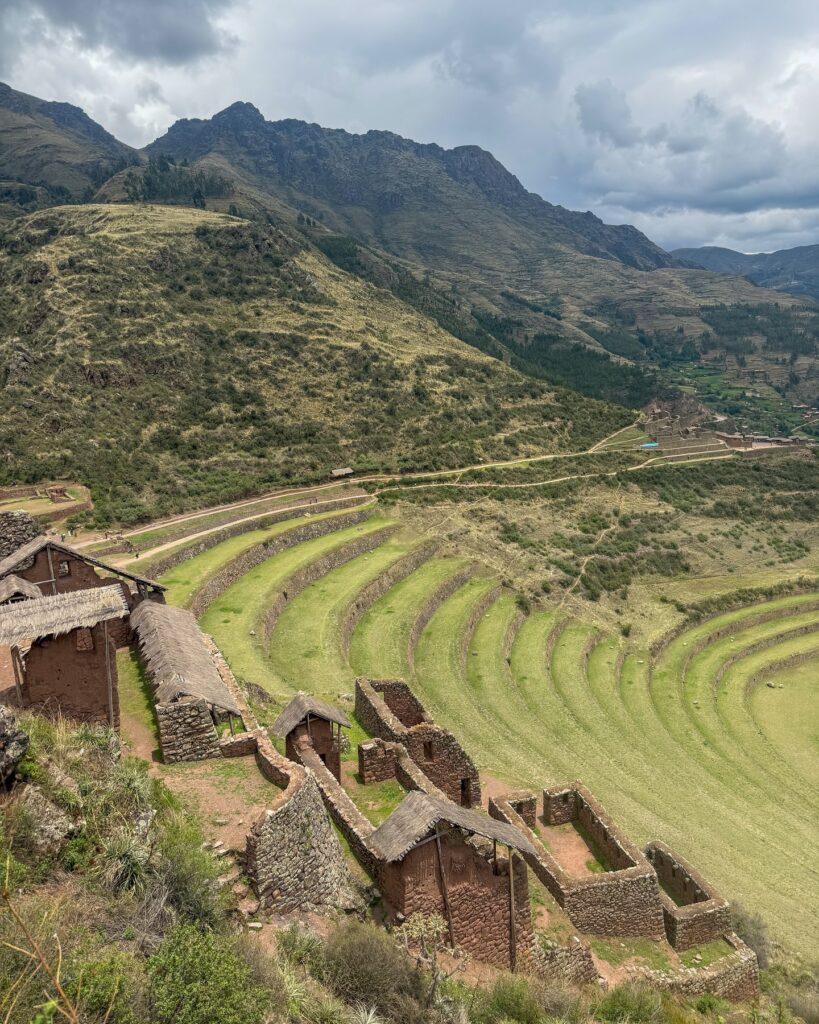
Its name is due to a tunnel excavated in the rock that connects with the upper part of the hill. It consists of about thirty buildings that make up the residential area of the sentinels in Pisac, built following a technique called pirka, which is a stone wall joined with adobe. Its location next to the cliff demonstrates the extraordinary Inca engineering.
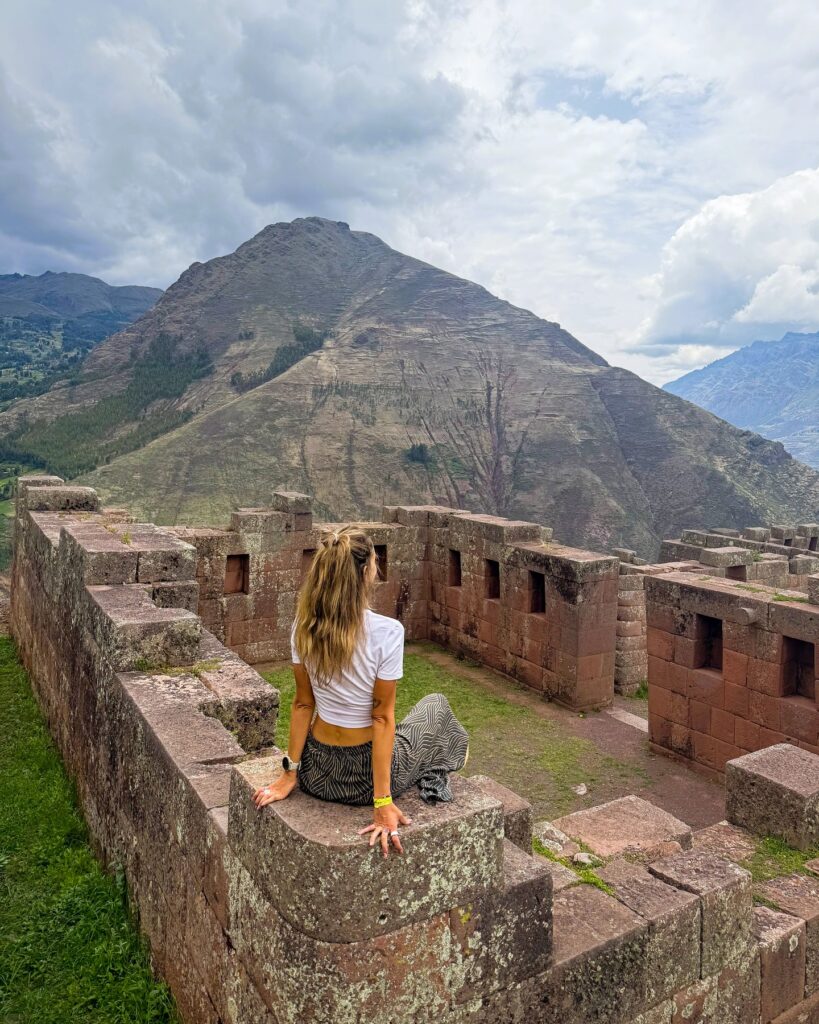
Ceremonial Area, where the remains of the Intihuatana or solar observatory are found, unfortunately damaged by Spanish conquerors in their eagerness to suppress pagan practices among the indigenous population.
Amaru Punku “Gate of the serpent”
Marks the entrance to the complex. The typical trapezoidal door is notable, as well as the enormous stone hinges, which would have served to support a large gate. From there, a narrow path leads to the main part of the complex.
The Chakana
A cross-shaped symbol, it represents the three worlds of Inca cosmology: Hanan Pacha or the upper world, Kay Pacha or the world of here, and Uku Pacha or the underworld. Representative animals of these worlds were the condor, the puma, and the serpent, respectively.
Tianayoc
Located at the top of the Intihuatana, its enclosures are distributed around a square, and it was probably an administrative area. Here there is a rock carved in the shape of a seat.
P’isaqa “the old neighborhood”
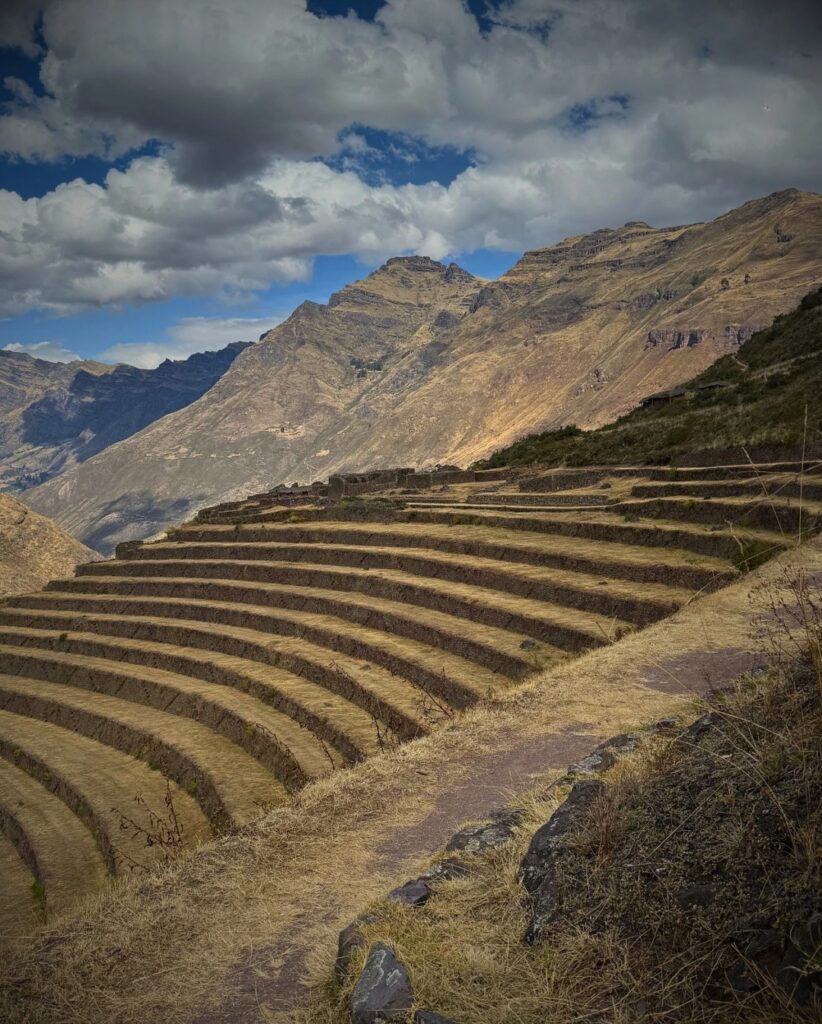
It is a residential group located next to the ceremonial area and has semicircular terraces. Note that the stonework finish is of the pirka type, that is, stones joined with adobe, as were most Inca constructions. Polished stone was used only for elite buildings.
Conclusion
The Archaeological Complex of Pisac is much more than a tourist site: it represents the perfect union between agricultural engineering, spiritual worldview, and astronomical knowledge of the Inca civilization. Its terraces, temples, and solar observatories demonstrate how the Incas managed to harmonize nature with their social, religious, and agricultural needs.
Pisac is not only a testimony to the legacy of Pachacútec and the greatness of the Sacred Valley, but also a space that connects the visitor with history, spirituality, and ancestral wisdom. Exploring its sectors (from the Intihuatana to the Amaru Punku) is to walk through a living chapter of Inca culture, where each stone holds a story and each symbol reflects Andean cosmology.
Contact us:
With Life Expeditions, your dream trip to Peru becomes a reality. Specialists in the Inca Trail, Ausangate, Salkantay, and tailor-made packages, we take you to unique places such as:
Ready for a personalized adventure? Your adventure begins now!