
Tikapallana – ancestral custom of the province of Cotabambas, Apurímac
Tikapallana, also known as the “flower gathering,” is an ancestral festival celebrated every year in the province of Cotabambas, region of Apurímac. The festivity begins to the rhythm of the qaswitas and the colorful wiphalas, filling the atmosphere with music and dance, and preparing the stage for the arrival of the horsemen. The culminating moment is the Pasña Suway, a tradition that forms part of the cultural memory of the Andes, accompanied by offerings to the Pachamama, in an act of gratitude and respect toward Mother Earth.
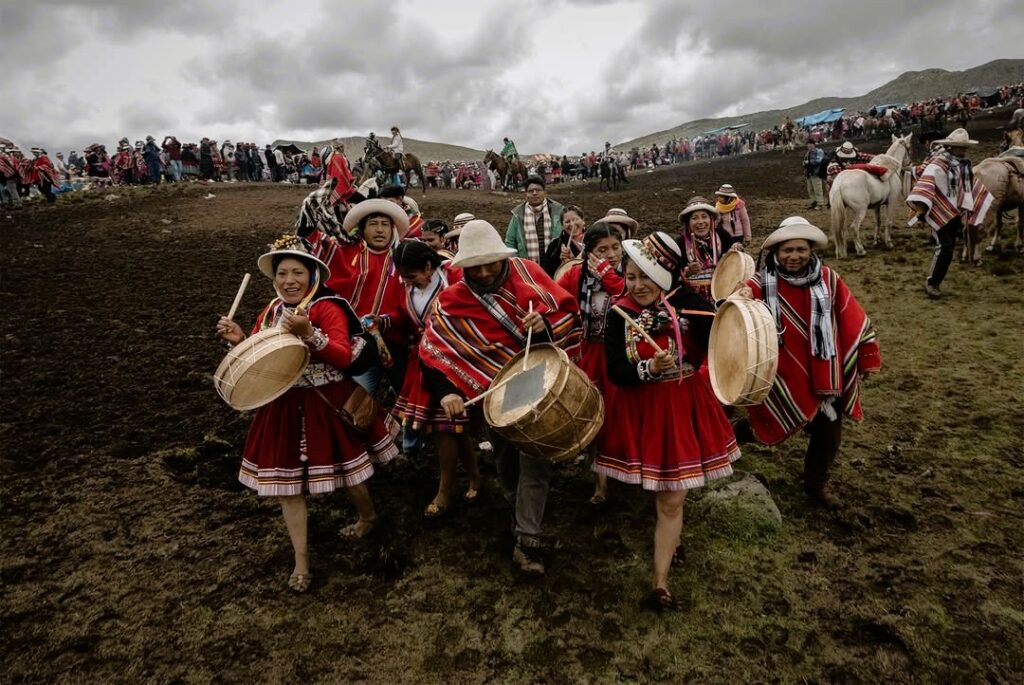
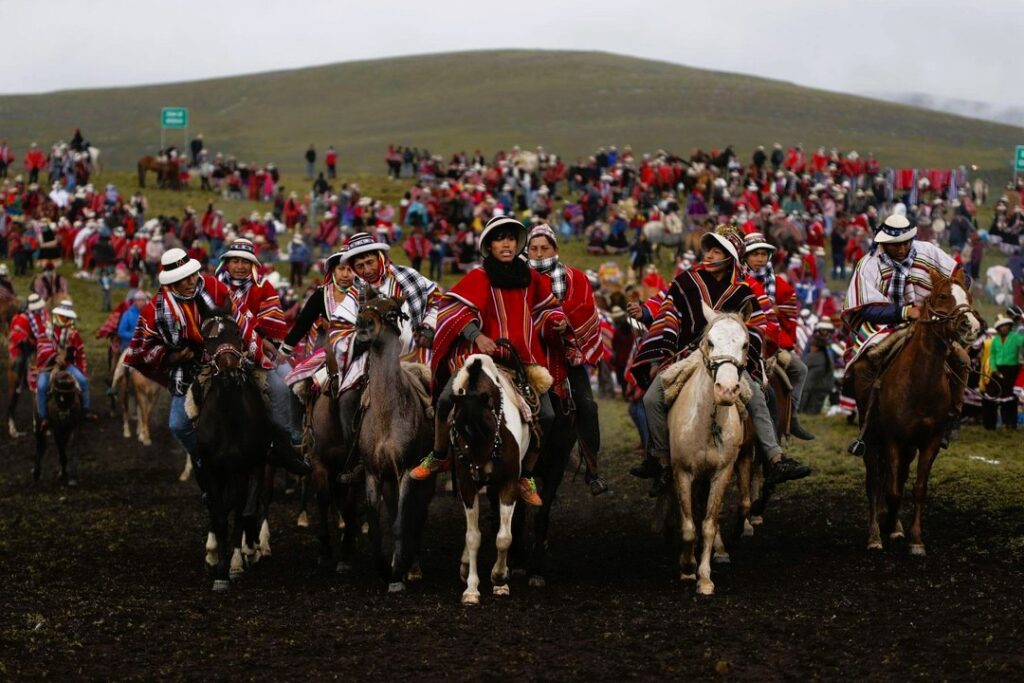
Tabla de Contenidos
Altitude and Climate of Cotabambas
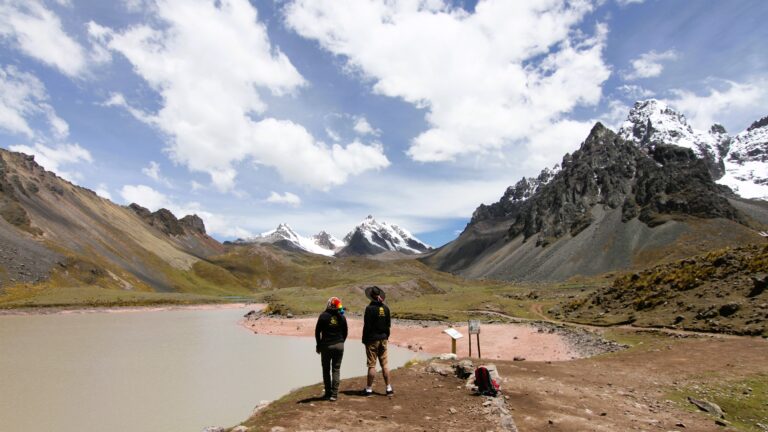
The Tikapallana Carnival of Cotabambas (Apurímac, Peru) is celebrated in the community of Tambobamba, located at approximately 4,300 meters above sea level. This altitude gives the festival a special character, as it takes place in a high Andean puna environment, where wild species such as surphuy and waqanki bloom and are collected during the celebration.
Where and When is it Held?
The Tikapallana takes place at kilometer 13 of the Tambobamba–Chinchaypuqio route, becoming a meeting point where communities of the region gather to celebrate this ancestral tradition with music, dances, and offerings to Pachamama. In 2026, Tikapallana will be celebrated on February 16, one day after the main carnivals.
History
Tikapallana has its origins in the European tradition of carnival, conceived as a space of inversion of the natural and social order, characterized by excess and moral relaxation before the penitence of Christian Holy Week. In the Andean region, this custom was adapted to the productive and social cycle of rural communities. It became a festival of abundance and fertility, coinciding with the period of the most intense rains, a key moment for agriculture and the renewal of nature. During the celebration, singing, dancing, and especially the puqllay stand out—a practice that encourages courtship and physical competition between men and women. This social game fosters the choice of couples and strengthens community cohesion.
What is Tikapallana?
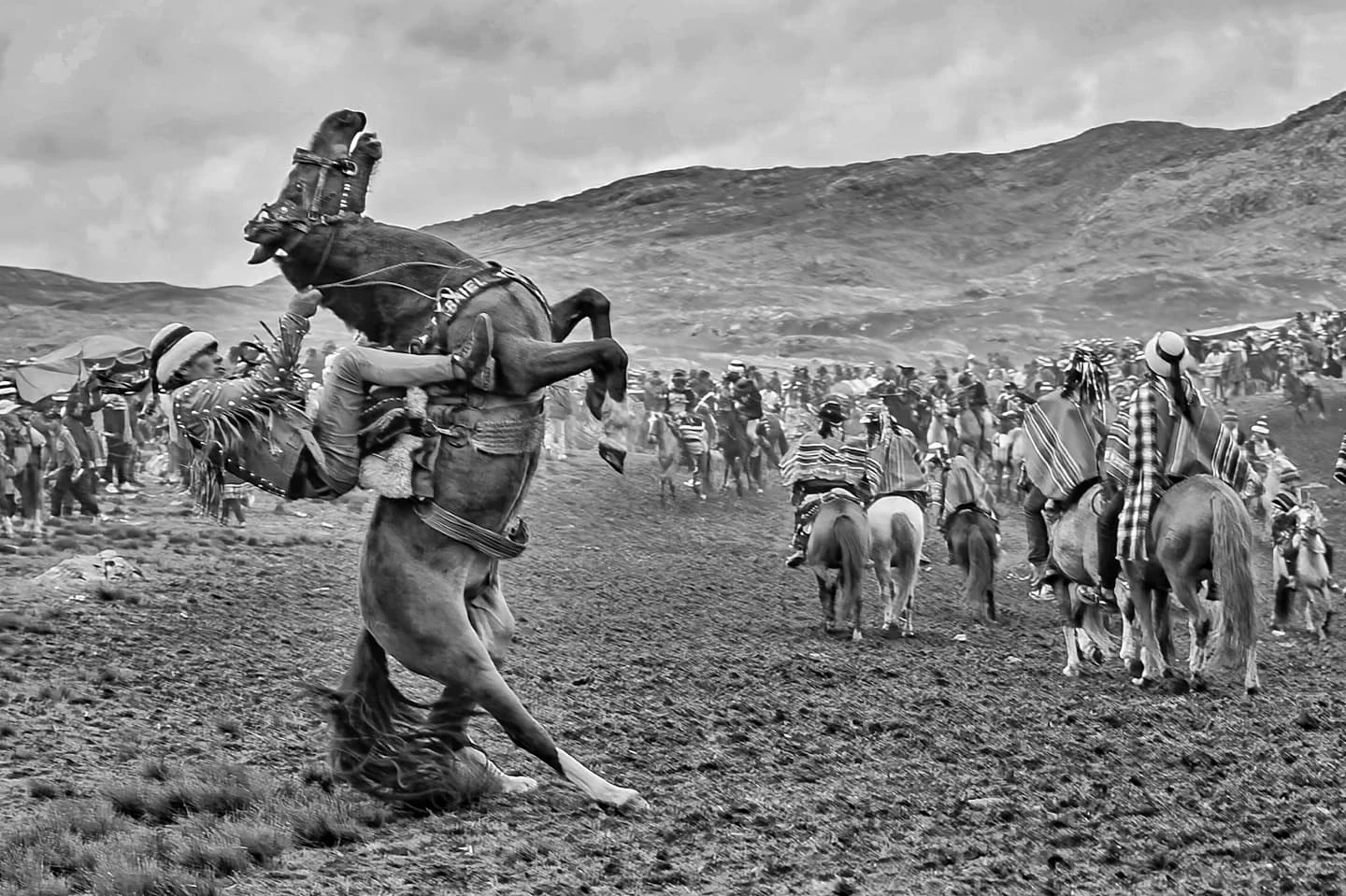
Tikapallana is an ancestral tradition of the province of Cotabambas, in the department of Apurímac, Peru. Practiced since ancient times, it consists of the gathering of flowers in the Mamaporotopampa plain, accompanied by music, dances, and rituals that reinforce the cultural identity of the region. During the celebration, participants sing the famous qhaswas (traditional chants), accompanied by the tinya (drum), quenas, and other Andean instruments. Women, together with the colorful wiphalas, fill the atmosphere with joy, preparing for the arrival of hundreds of horsemen who give the ceremony a festive and majestic character.
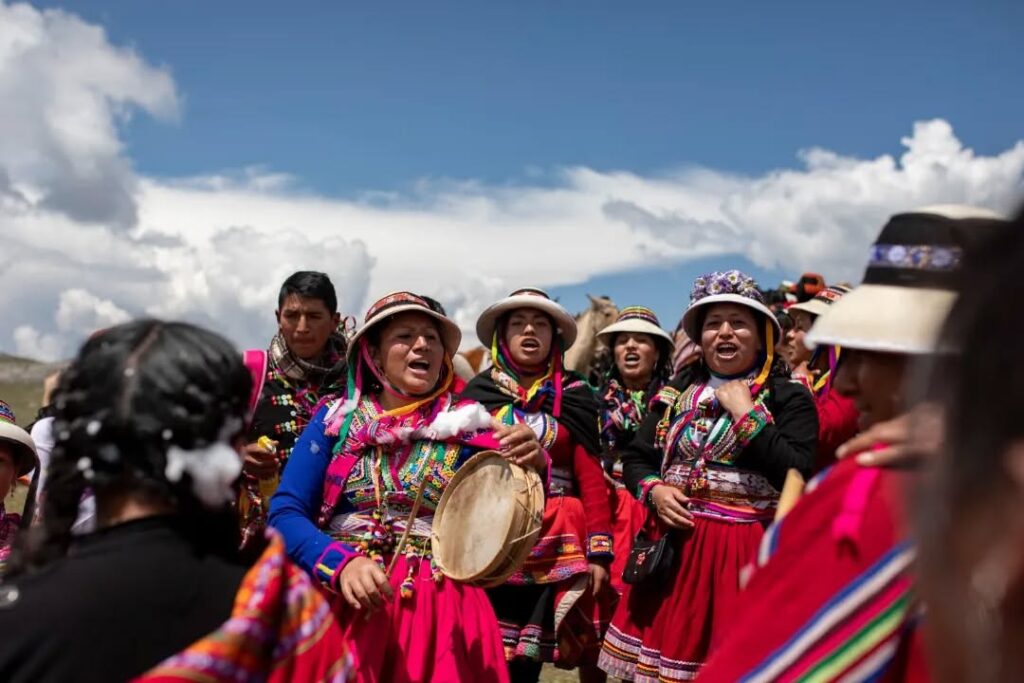
Tikapallana is also a space for the ancestral barter of agricultural and livestock products, a practice that keeps alive the communal exchange system of the Andean peoples. This economic and social aspect reinforces the union between communities and the reciprocity that characterizes the Andean worldview.
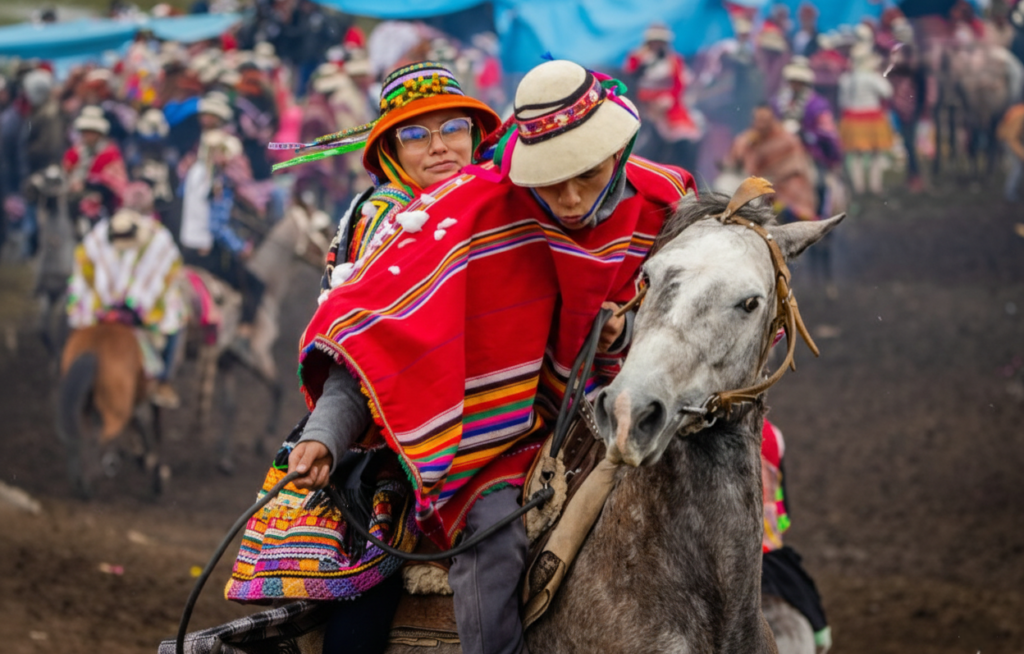
Within this tradition is the Pasña Suway, a custom narrated by elders. It consisted of a young man, interested in a girl, planning with friends or relatives to “symbolically abduct” her, especially if she distanced herself from her family. She would be surrounded, placed on a horse, and taken away. In some cases, after days or weeks, the young woman accepted to stay as his wife. Today, this practice is interpreted more as a cultural and symbolic story, part of the collective memory of Cotabambas. Finally, Tikapallana is also a ritual of homage to Pachamama (Mother Earth). Offerings of food and flowers are made, reaffirming the community’s spiritual bond with nature and giving thanks for the fertility of the land.
Who Celebrates It?
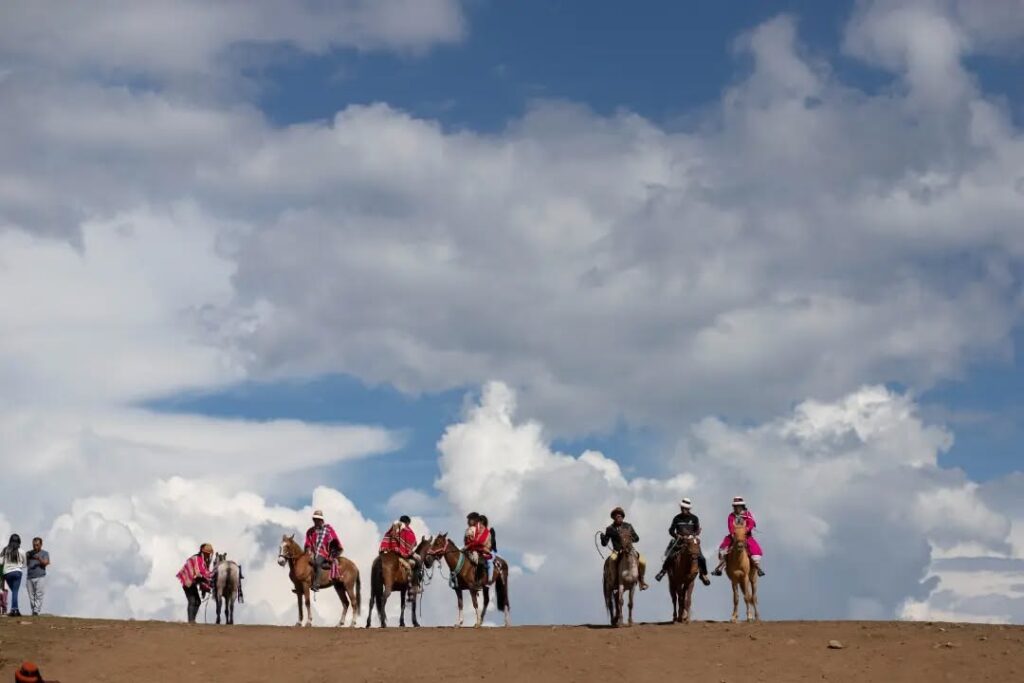
The inhabitants of Coyllurqui, Tambobamba, Mara, and Challhuahuacho actively participate in this tradition, contributing their music, dances, and customs that enrich the celebration and keep alive the cultural heritage of Cotabambas.
Importance
The Ministry of Culture of Peru declared the Tambobamba Carnival “Tikapallana” as Intangible Cultural Heritage of the Nation on February 19, 2014, recognizing its importance in preserving the cultural identity and ancestral traditions of the community.
Conclusion
The custom of Tikapallana represents an authentic cultural revaluation of Cotabambas. It integrates ancestral practices such as flower gathering, communal barter, and the traditional Pasña Suway, which keep alive the memories and experiences of the past. Today, this celebration continues in the Mamaporotopampa plain, where locals pay homage to Pachamama with offerings and music, reaffirming that the Andean legacy remains an essential part of the identity of the peoples of Peru.
Contact us:
With Life Expeditions, your dream trip to Peru becomes a reality. Specialists in the Inca Trail, Ausangate, Salkantay, and tailor-made packages, we take you to unique places such as:
Ready for a personalized adventure? Your adventure begins now!