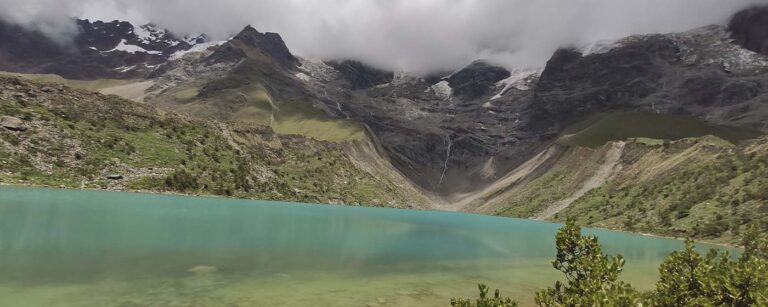


Puerto Caliz: The Hidden Ice Giant in the Vilcanota Range of Quelccaya
In the most imposing heights of Cusco, among ancient mountains and a landscape that seems otherworldly, lies Puerto Cáliz, one of the most amazing glaciers in Peru. Surrounded by pure nature, wildlife, and a community that preserves its traditions, this glacier has become a destination that impresses with its grandeur and history. Below, discover its true essence, how to get there, and why it is considered a natural jewel of the Andes.
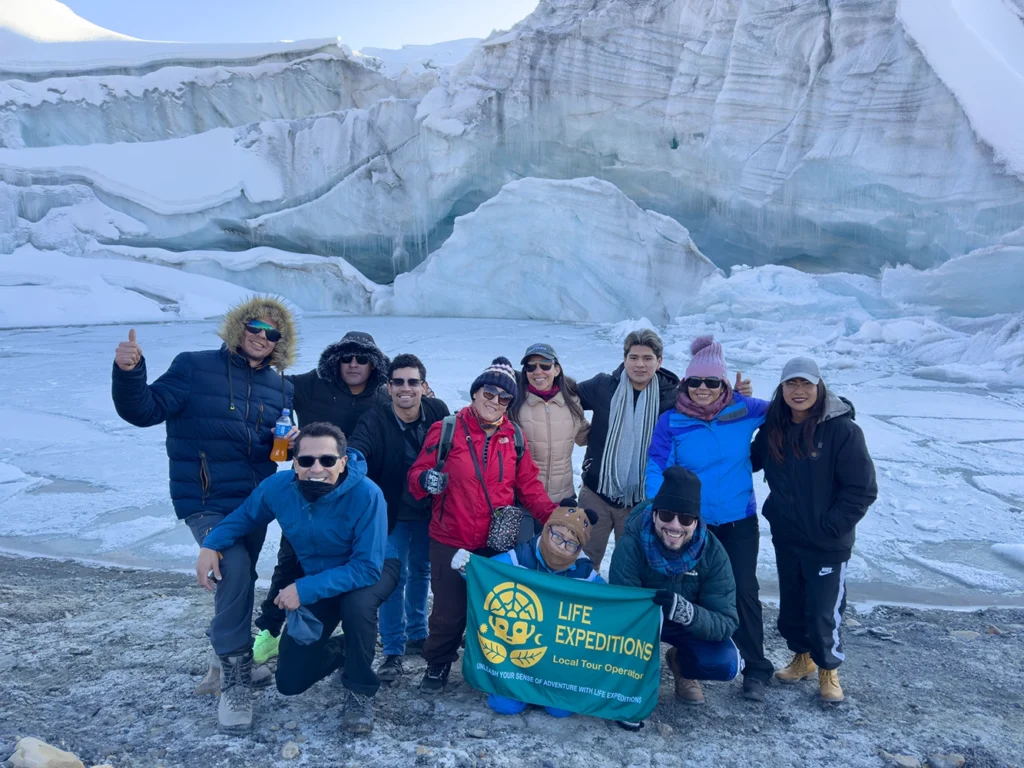
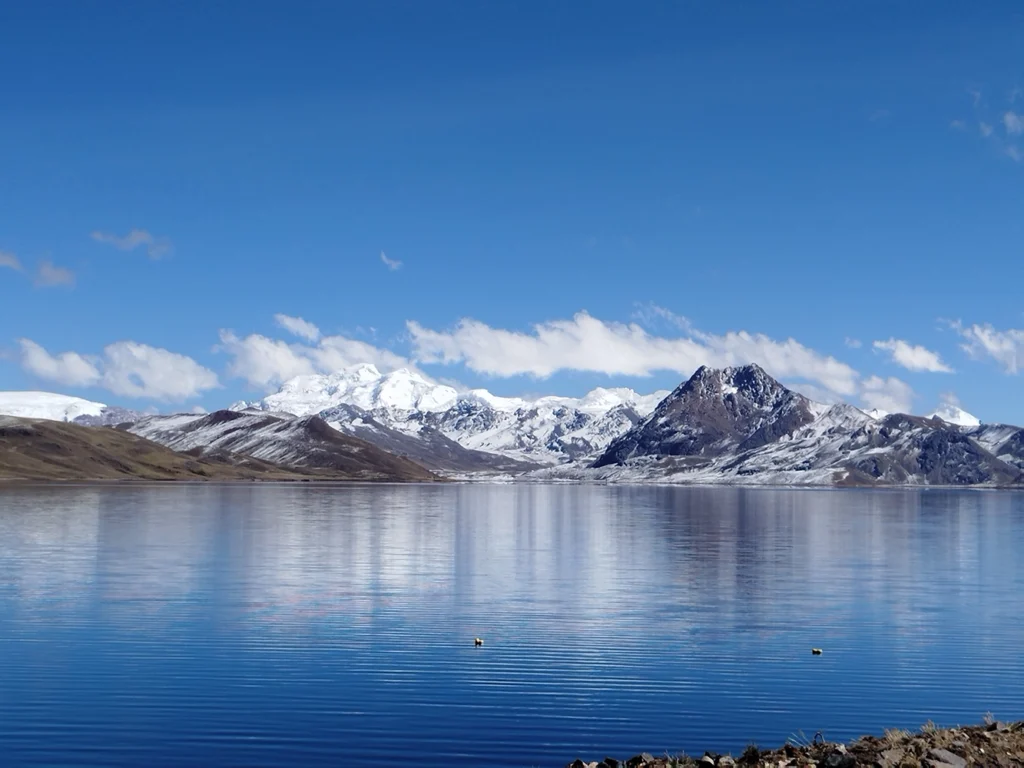
Names of Glaciers
Quelccaya
The glacier on this impressive mountain is known by various names, such as Quelcaya, Qelcaya, or Qelccaya. These names derive from two words: “Quelca,” meaning “to write,” and “Aya,” meaning “soul”—“the place where the soul writes on the glacier.”
For this reason, this glacier is deeply respected by the Phinaya community, as it is believed to hold the community’s living history, reflected in the memory, tradition, and spiritual connection that the people maintain with the mountain and its ice.
Suyuparina
The Suyuparina Glacier is another name by which Quelccaya is also known. To understand its meaning, we can break the word Suyuparina down into two parts. First, Suyu, which means “nation” or “region.” Second, Parina, which refers to the pariguanas, or Andean flamingos.
Therefore, Suyuparina can be interpreted as “nation of pariguanas,” suggesting that in ancient times, this place—within the community’s territory—may have been a habitat for these birds.
Puerto Cáliz
The Ice Giant, hidden in the Vilcanota Mountain Range and known as “Puerto Cáliz” (also called Puerto Calis, Kalis, or Kaliz), is an imposing glacier that was named by the community members through a majority vote. Consequently, this glacier is recognized as the most important Apu of the Phinaya community, a symbol of protection, identity, and respect for all its inhabitants.
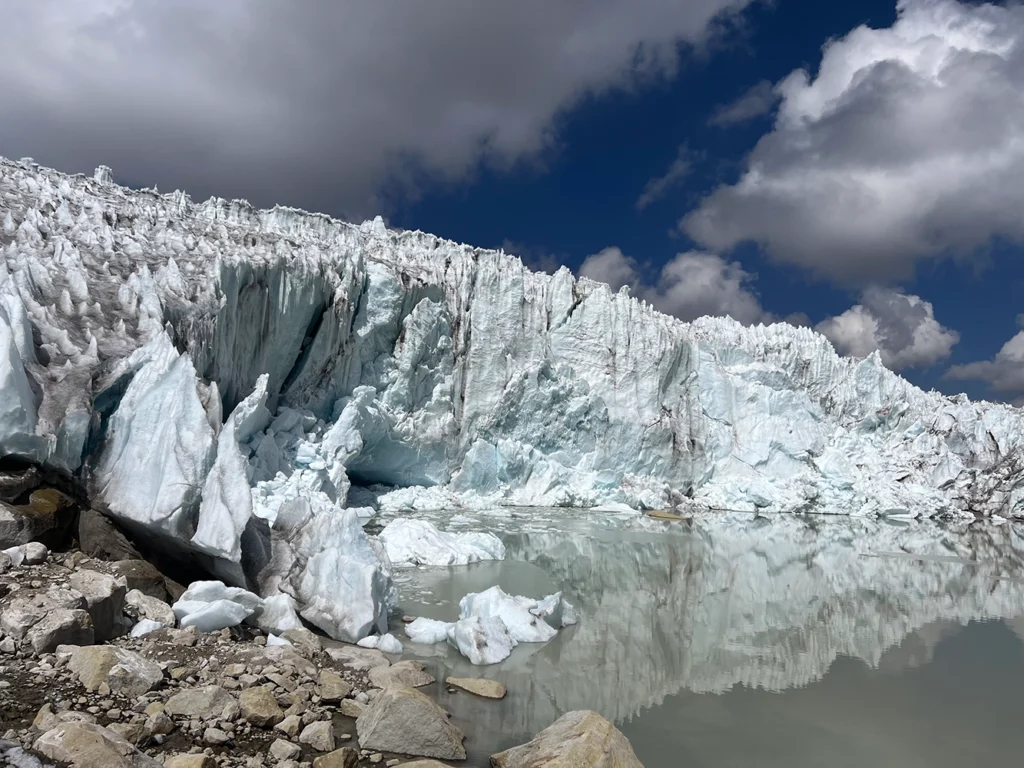
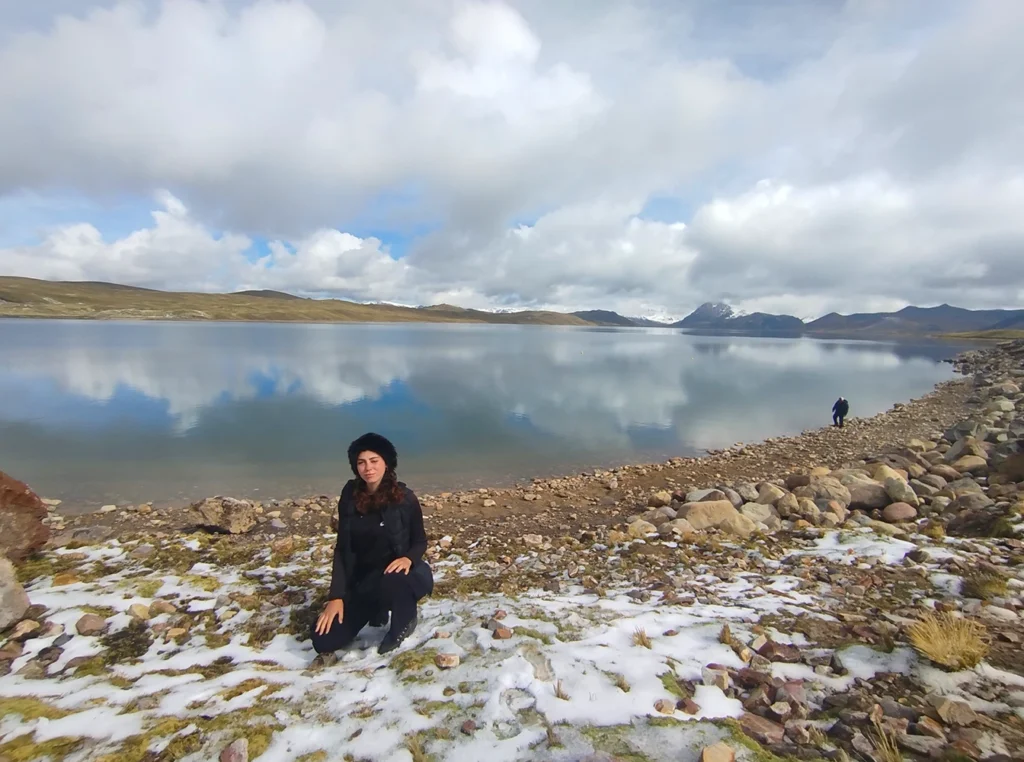
Where is the Quelccaya Glacier located?
The Glacier, also known as the “hidden ice giant,” is one of the largest tropical glaciers in the world. It is located in the Vilcanota Mountain Range, between the regions of Cusco and Puno, making it one of Peru’s most impressive natural landscapes.
This majestic glacier is situated at an altitude of approximately 5,710 meters above sea level, with a thickness of nearly 200 meters, a length of 17 km, and a width of approximately 44 km, covering a total area of about 134 km².
How to Get to the Quelcaya Glacier (Updated Routes)
There are two main routes to reach this stunning destination:
- Route 1: Via Checacupe (Pitumarca): You can arrive at the community half an hour earlier; it’s also a more direct route.
- Route 2: Via Onocora (Sicuani): They only take this route when there are passengers.
The trip can take about 5 hours, depending on the departure point
Important recommendation
To visit this majestic glacier, you must first take the route to Sicuani.
From there, there are two paths:
- Onocora – Santa Bárbara Route
- Checacupe – Pitumarca – Phinaya Route
The trip takes approximately 4 hours and 25 minutes.
Important recommendation
Before you travel, be sure to bring:
- A fully charged cell phone
- A power bank (portable charger)
Note: There is no street lighting in the Phinaya community, nor is there cell service, although they do have solar panels, so you won’t always be able to charge your devices.
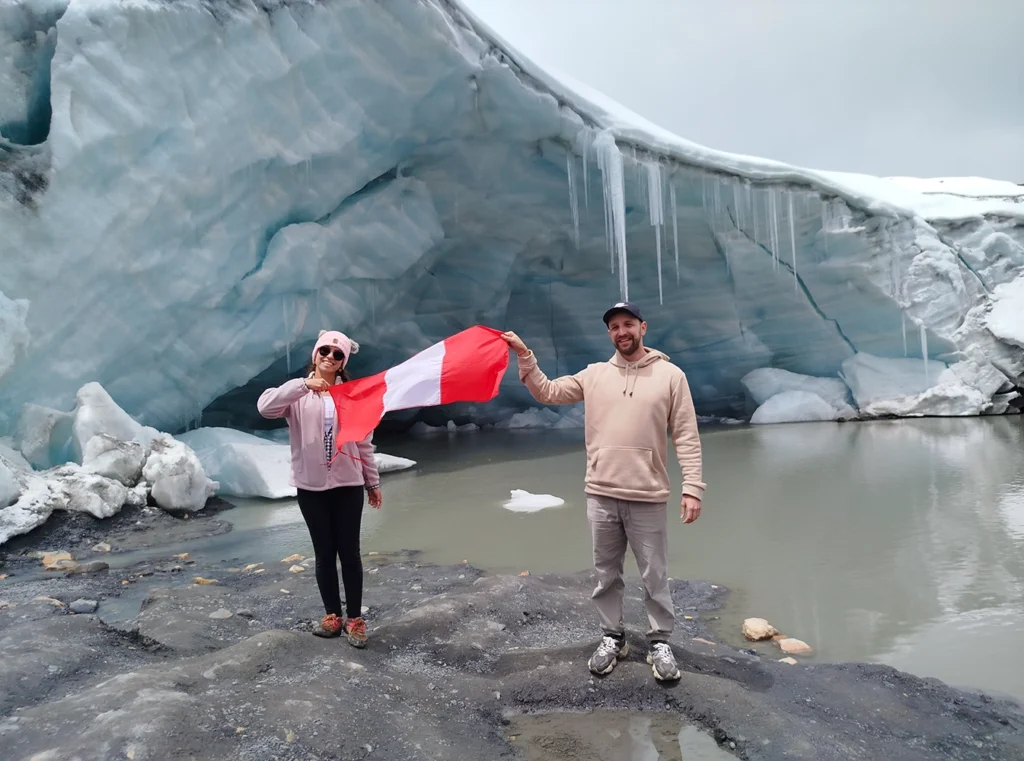

Puerto Cáliz: Sacred Glacier and Connection to Pachamama
One of the most impressive sites in this area is Puerto Cáliz, a glacier renowned for its majesty and connection to nature.
In August, the residents of the Phinaya community make offerings to Pachamama (Mother Earth) at the foot of this giant of ice. This place is considered an Apu (mountain spirit), to whom protection and abundance are attributed.
For the community members, this glacier is sacred, and therefore deeply respected.
Recommendation
- Respect local traditions
- Do not interfere with ceremonies
- Maintain a mindful and respectful attitude
Turismo responsable en Quelcaya
his destination is cared for by the community, so it is essential that all visitors help preserve it.
Key Recommendations
- Don’t leave trash behind
- If you see litter, pick it up
- Respect the park rangers
- Follow safety guidelines
- Note: At times, park rangers may ask you to leave; this is not meant to be an inconvenience, but rather a measure to ensure your safety.
Weather in Quelccaya: Best Time to Visit
Rainy season (December–April)
- Muddy, bumpy roads
- Spectacular green landscapes
Dry season (May–November)
- accessClear skies
- Clear skies
August: Special Season
- Strong winds
- Perfect for flying kites
Phinaya Community
The community of Phinaya is located at 4,964 meters above sea level in the Vilcanota Mountain Range, an area characterized by a cold, dry climate with temperatures ranging from –17 °C to 17 °C. It is home to approximately 50 families, whose primary economic activity is the raising of South American camelids.
Phinaya is also an ideal place to unwind, surrounded by a unique natural wealth of flora and fauna. Among the most representative animals are the viscacha and the Andean fox. According to local tradition, the viscacha is considered a “sister” to the community members, as it is said to be the daughter of Pachamama, reinforcing the spiritual bond between nature and the community.
Likewise, the Andean fox is associated with an ancient legend. It is said that, in ancient times, a great flood occurred. The llamas, sensing the danger, began to climb toward the summit of the greatest Apu to seek safety. The fox also tried to climb, but failed to reach the very top, and only the tip of its tail remained submerged in the water. For this reason, according to the legend, the fox has a black tip on its tail.
These stories are part of Phinaya’s oral tradition and reflect the deep connection between the community, nature, and their ancestral beliefs.
Livestock farming and the local economy
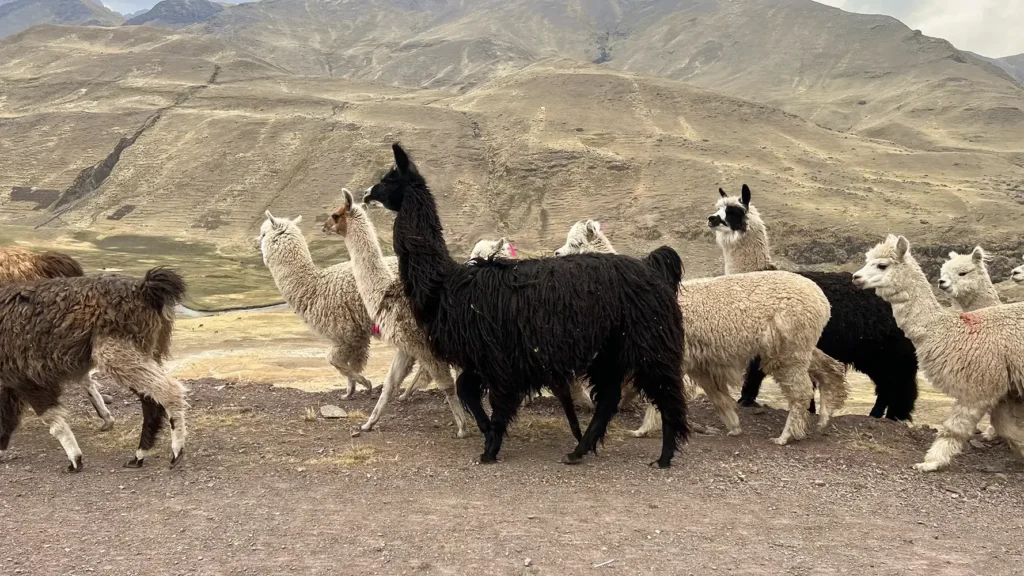
Phinaya mainly breeds Huacayo and Suri alpacas.
Sheep farming is minimal, as these animals need more water and green pasture, resources that are scarce due to the extreme climate. For this reason, the community specializes in camelids, which each villager raises both for consumption and for sale.
In 2023, the area suffered a severe dry season due to the absence of rain. The intense heat caused significant losses of camelids, including abortions in alpacas. However, today the community has managed to recover and currently has a larger population of animals.
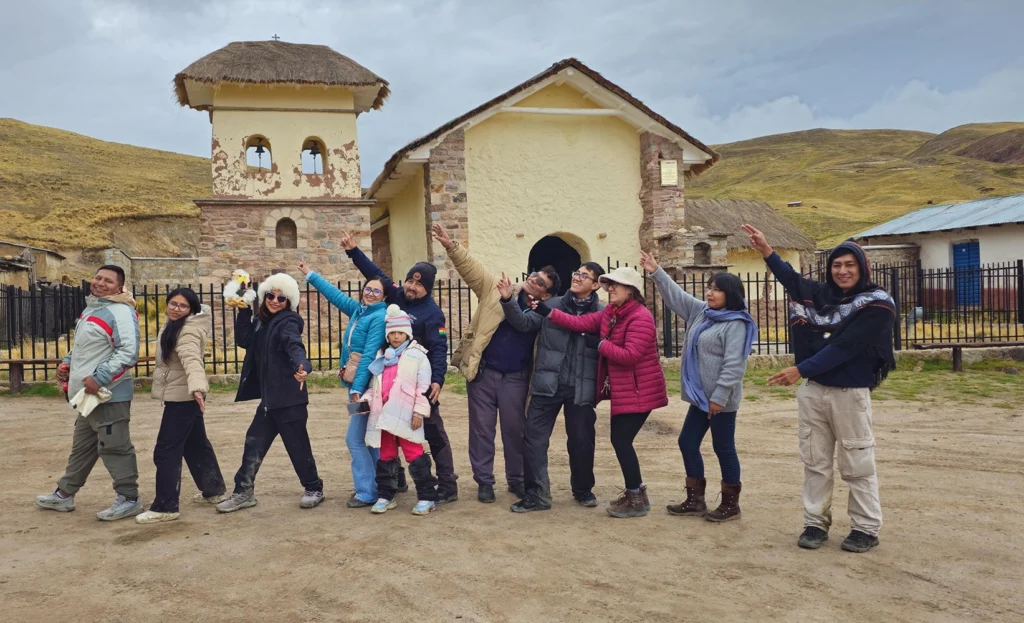
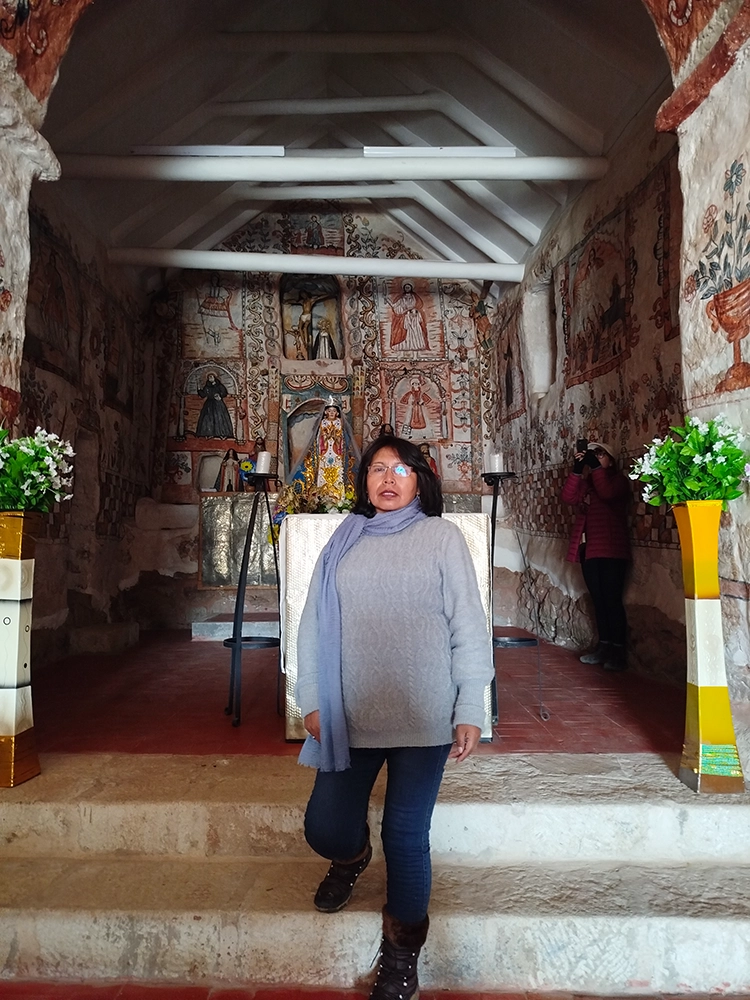
The Colonial Chapel of Phinaya
At the heart of thecommunity is the historic chapel of the Immaculate Virgin, of colonial origin and built in 1767.
It was restored in 2014 during the government of Ollanta Humala.
The interior stands out for its beautiful colonial murals, depicting:
- Saint Jerome
- Saint Sebastian
- Saint Christopher
- Saint Blaise
- Our Lady of the Assumption
- Our Lady of Almudena
- Saint Peter
- Saint Anthony
- Saint Barbara
- Our Lady of the Immaculate Conception
A true artistic gem in the middle of the highlands
What is the largest glacier in Peru?
The Quelccaya Glacier is the largest tropical glacier in Peru and in the world.
Is there cell service or electricity?
There is no consistent cell service or electricity; only solar panels.
Conclusió
Puerto Cáliz is more than just a glacier: it is a territory full of life, history, and living culture. Its natural majesty is complemented by the resilience of the Phinaya community, which maintains its traditions and its bond with camelids despite climatic challenges. Visiting this place is like entering a world where nature, science, and spirituality meet. Without a doubt, it is a destination that deserves to be discovered and recognized throughout the world.
Contact us:
With Life Expeditions, your dream trip to Peru becomes a reality. Specialists in the Inca Trail and tailor-made packages, we take you to unique places such as:
Ready for a personalized adventure? Your adventure begins now!