
Paucartambo: Living History, Tradition, and Mystery in the Heart of Cusco
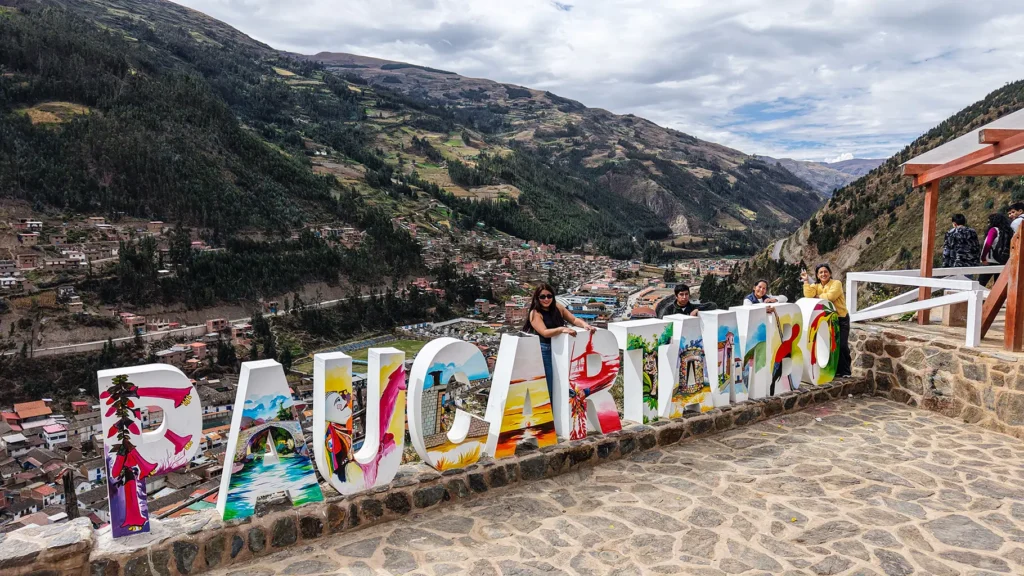
In the heart of the Peruvian Andes, at 2,906 metres above sea level and just 110 kilometres from the city of Cusco, lies Paucartambo, one of the most representative destinations for cultural tourism in Cusco. This charming district and province stands out for its impressive natural environment between the mountains and the jungle, offering unique Andean landscapes, biodiversity and an atmosphere steeped in history and tradition. Known for its cultural richness, ancestral customs and deep religious fervour, Paucartambo keeps the essence of Andean culture alive, making it an unmissable attraction for those seeking to discover the authentic Peru.
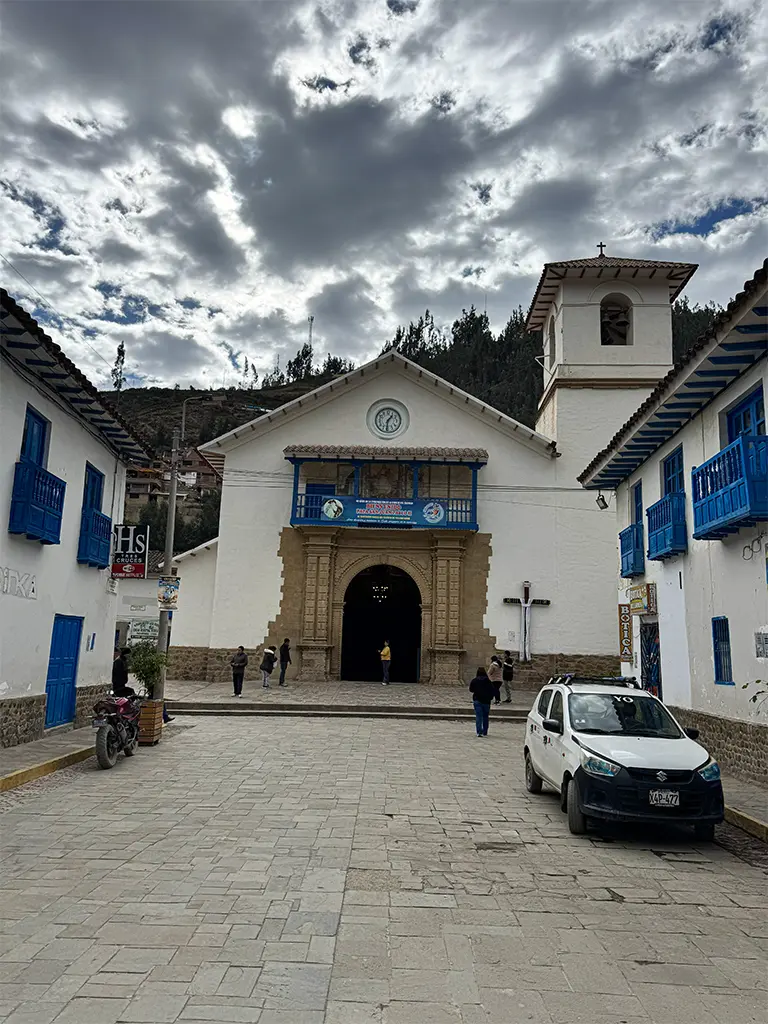
Tabla de Contenidos
Location and significance of Paucartambo
The name Paucartambo comes from the Quechua words pawqar (colorful) and tampu (place of lodging), meaning “colorful place of rest.” And it couldn’t have a more fitting name.
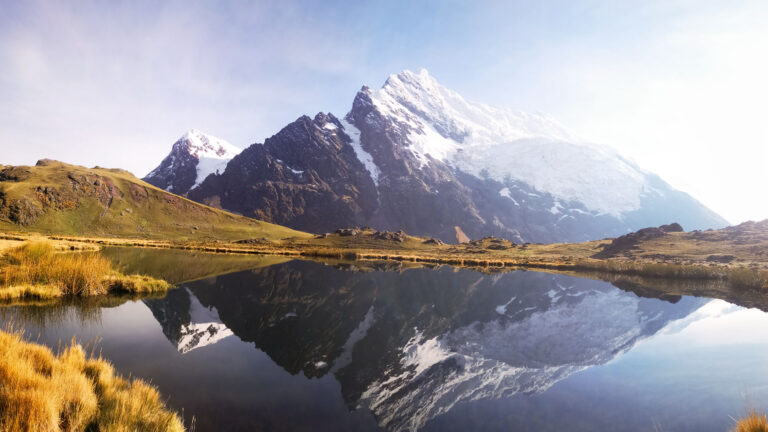
Located in the Cusco region, this district was declared a province on June 21, 1825, shortly after Peru’s independence. Its territory combines imposing mountains, rivers such as the Mapocho and the Qenqomayu, and a biodiversity that unites the high and low jungle.
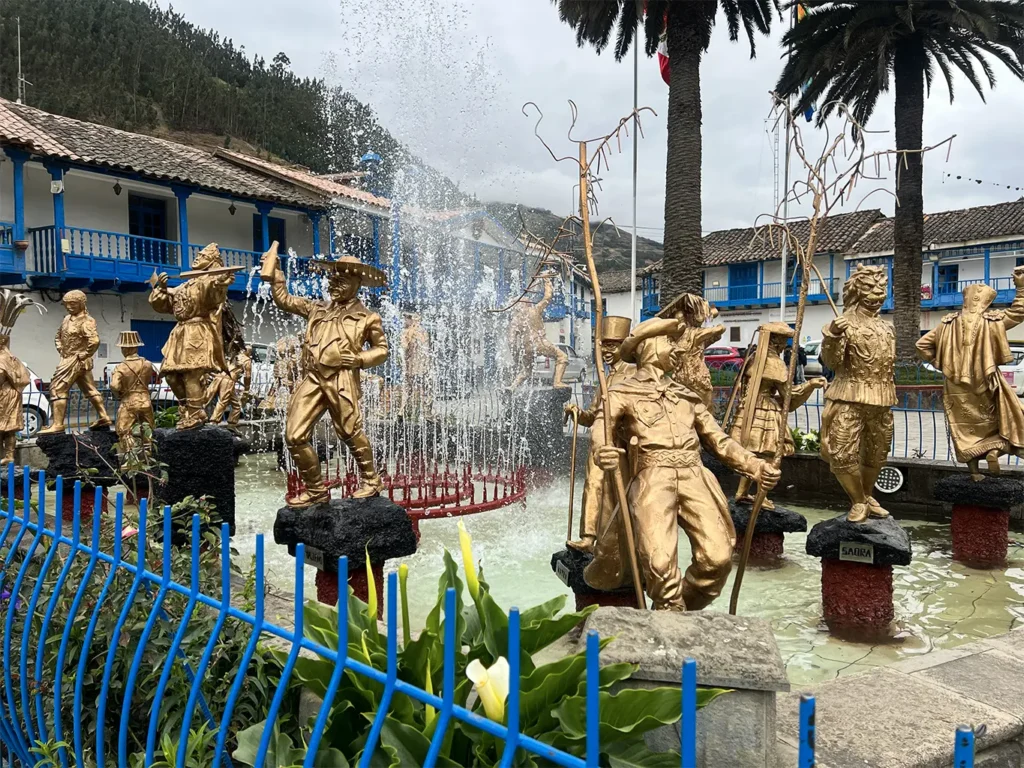
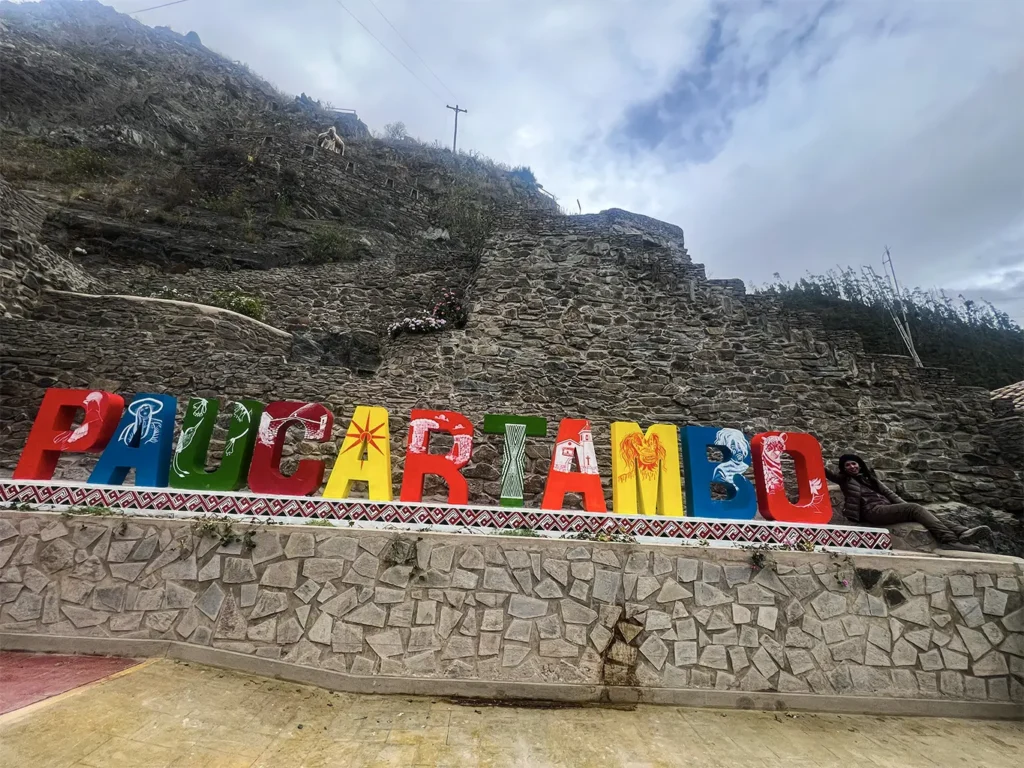
The Feast of Our Lady of Mount Carmel: Tradition and Faith
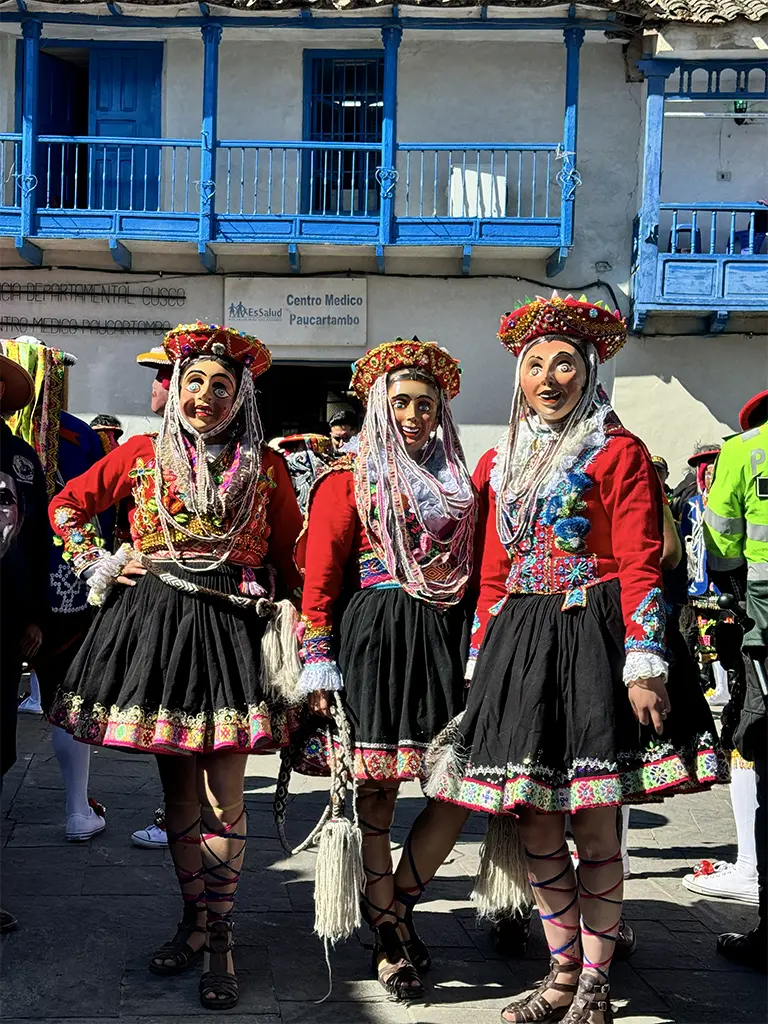
One of Peru’s most important and renowned celebrations is the festival in honor of the Virgin of Carmen, patron saint of Paucartambo.
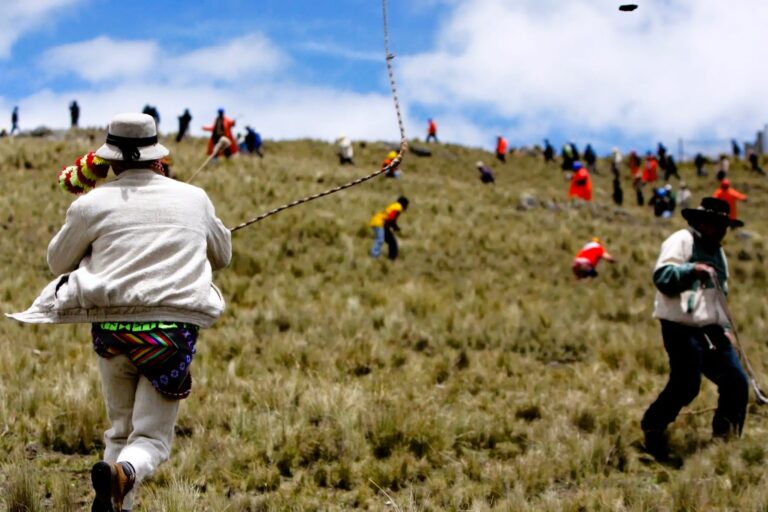
Every July, the town fills with traditional dances, colorful masks, and ancestral music that tell colonial and Andean stories. This festival is considered one of the most impressive and authentic in the Cusco region, attracting national and international visitors.
The image of the Virgin is located in the town’s parish church, and the celebration is a living example of the syncretism between the Catholic religion and Andean beliefs.
Agriculture and local production
Paucartambo is also known for its agricultural production. Its main crops include:
- Potatoes
- Beans
- Wheat
- Barley
- Corn
- Oca
- Olluco
- Tarwi
In terms of livestock, sheep and cattle farming predominate in the highlands, while guinea pig farming is common in the lower areas.
Between 1785 and 1800, Paucartambo was one of the main producers of coca and textiles in Cusco, consolidating its economic importance in the region.
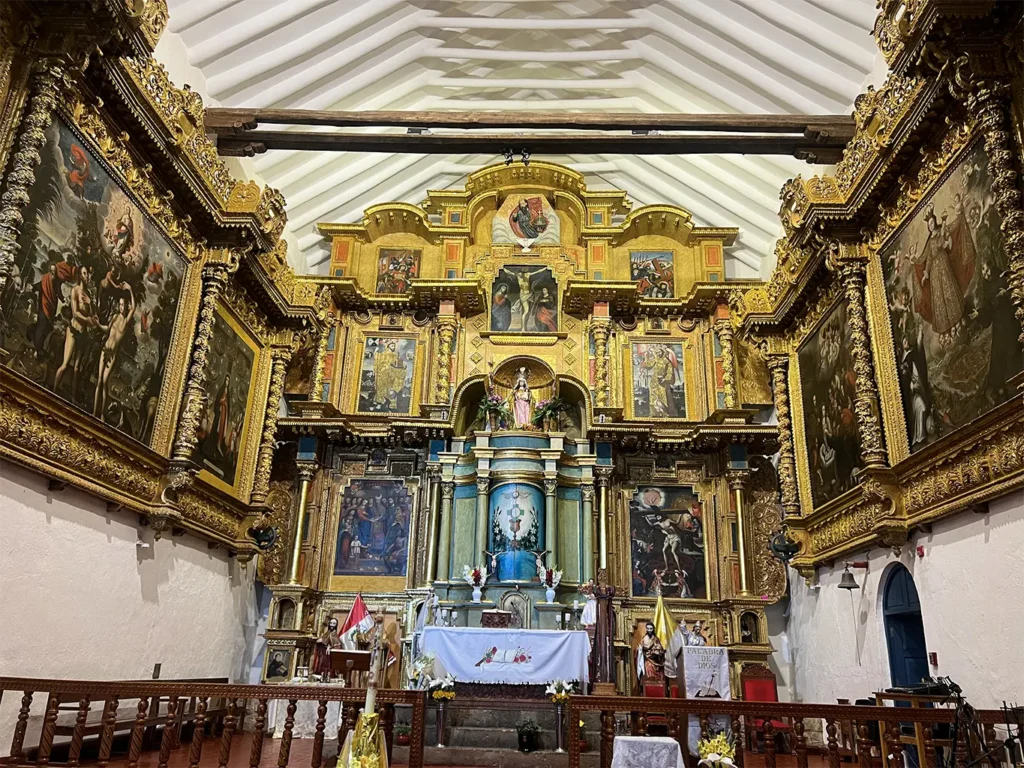
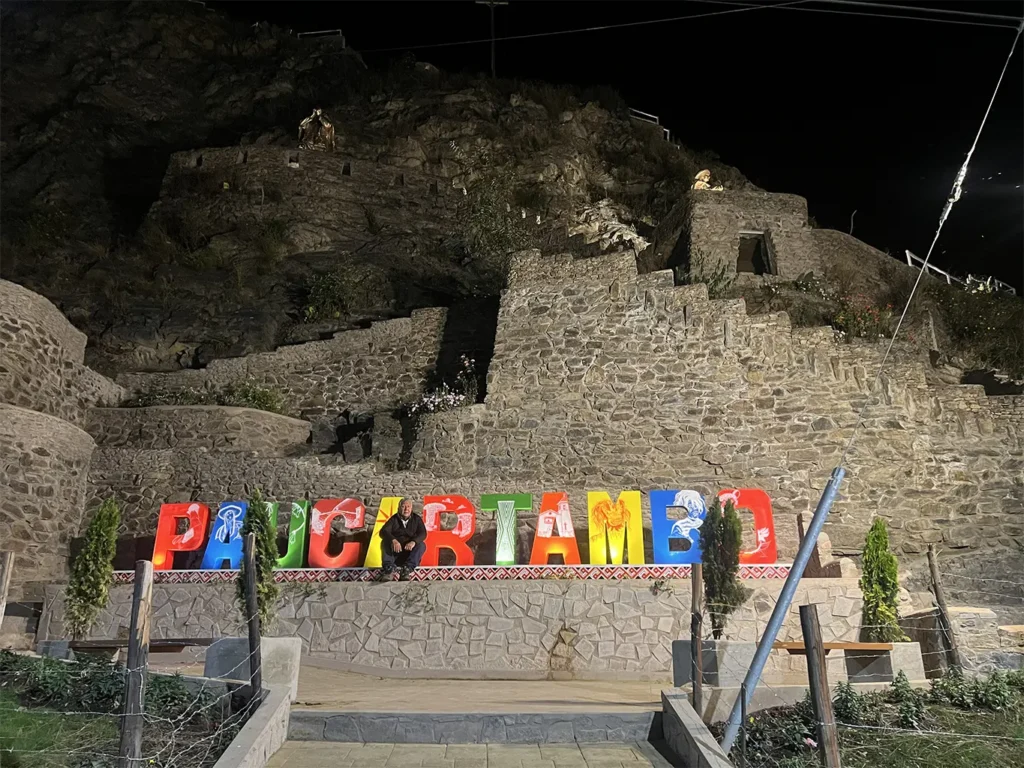
The historic Carlos III Bridge
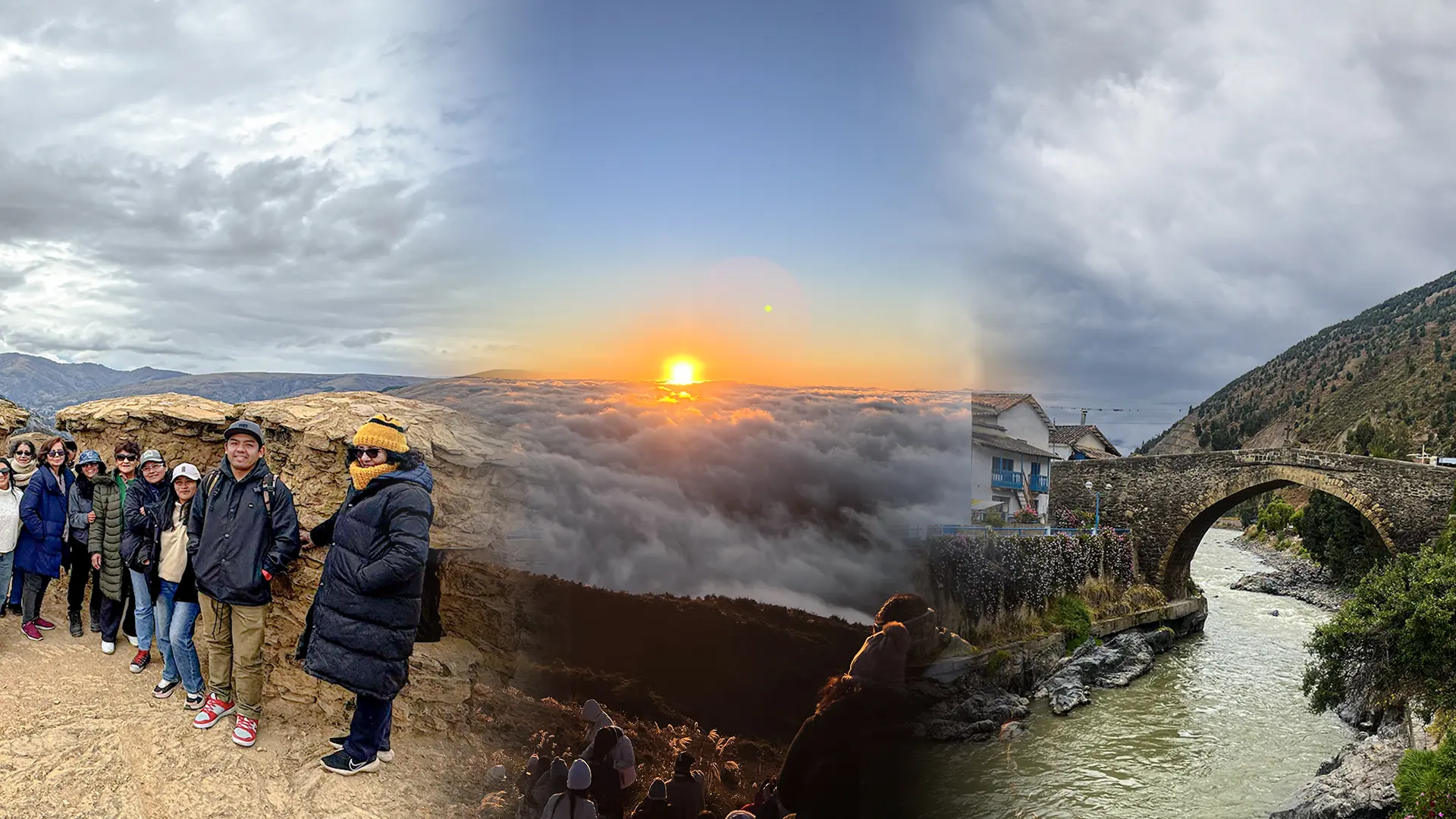
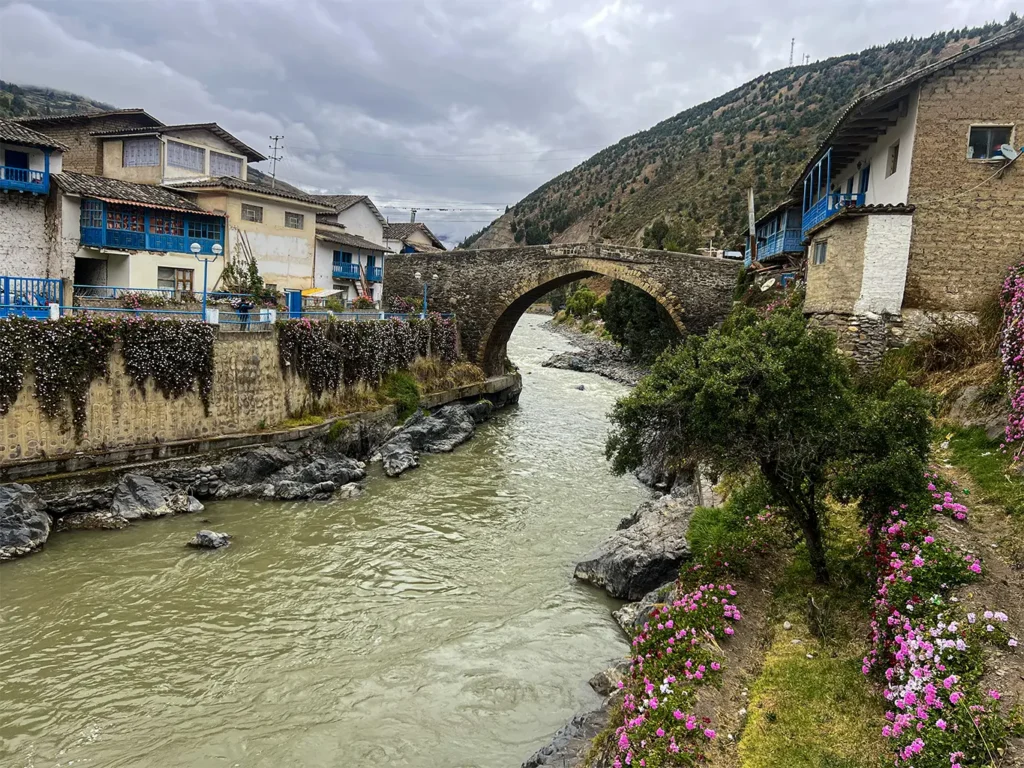
One of the district’s most important landmarks is the Carlos III Bridge, built in the mid-18th century during the Spanish viceroyalty.
Made of stone and lime, this bridge replaced an old wicker bridge that could no longer support the growing commercial traffic to Cusco, Puno, Arequipa, and even routes connecting to Bolivia and Argentina. It is a living testimony to colonial architecture and the commercial development of the time.
The traditional flavor: Paucartambo bread
If you visit Paucartambo, you can’t leave without trying its traditional artisan bread. Prepared in the traditional Paucartambo style and sold at the local market, this bread is renowned for its unique flavor and unmistakable texture.
Just one bite is enough to understand why it is part of the district’s gastronomic pride.
History that lives in every corner
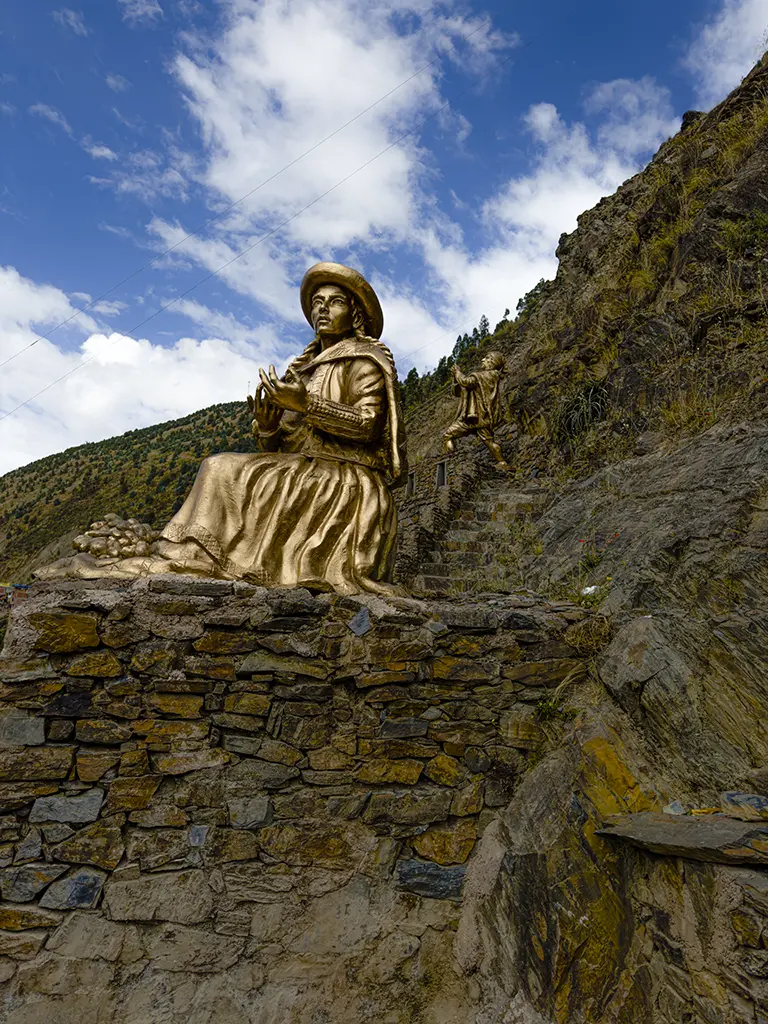
Paucartambo was part of the Qhapaq Ñan, the network of Inca roads that connected the Tahuantinsuyo. During colonial times, the Spanish corregimiento (administrative district) was established, and after independence, it became a province.
As history shows, there is no society without history. Every dance, every bridge, every festival, and every tradition is part of the living memory of this town.
Conclusion
Paucartambo is not just a tourist destination; it is a place where history breathes, where tradition is celebrated, and where cultural identity remains strong despite the passage of time.
From the majestic festival of the Virgin of Carmen to its historic Carlos III Bridge, through its ancestral agriculture and delicious artisan bread, this district of Cusco represents the living essence of Peru.
It is everyone’s responsibility to revalue, respect, and spread its history. Because as long as its culture remains alive in the collective memory, Paucartambo will continue to be that colorful place of rest that enchants those who visit it.
Contact us:
With Life Expeditions, your dream trip to Peru becomes a reality. Specialists in the Inca Trail, Ausangate, Salkantay, and tailor-made packages, we take you to unique places such as:
Ready for a personalized adventure? Your adventure begins now!