
Chiaraje – An Impressive Ancestral Battle of Ritual and Andean Fertility
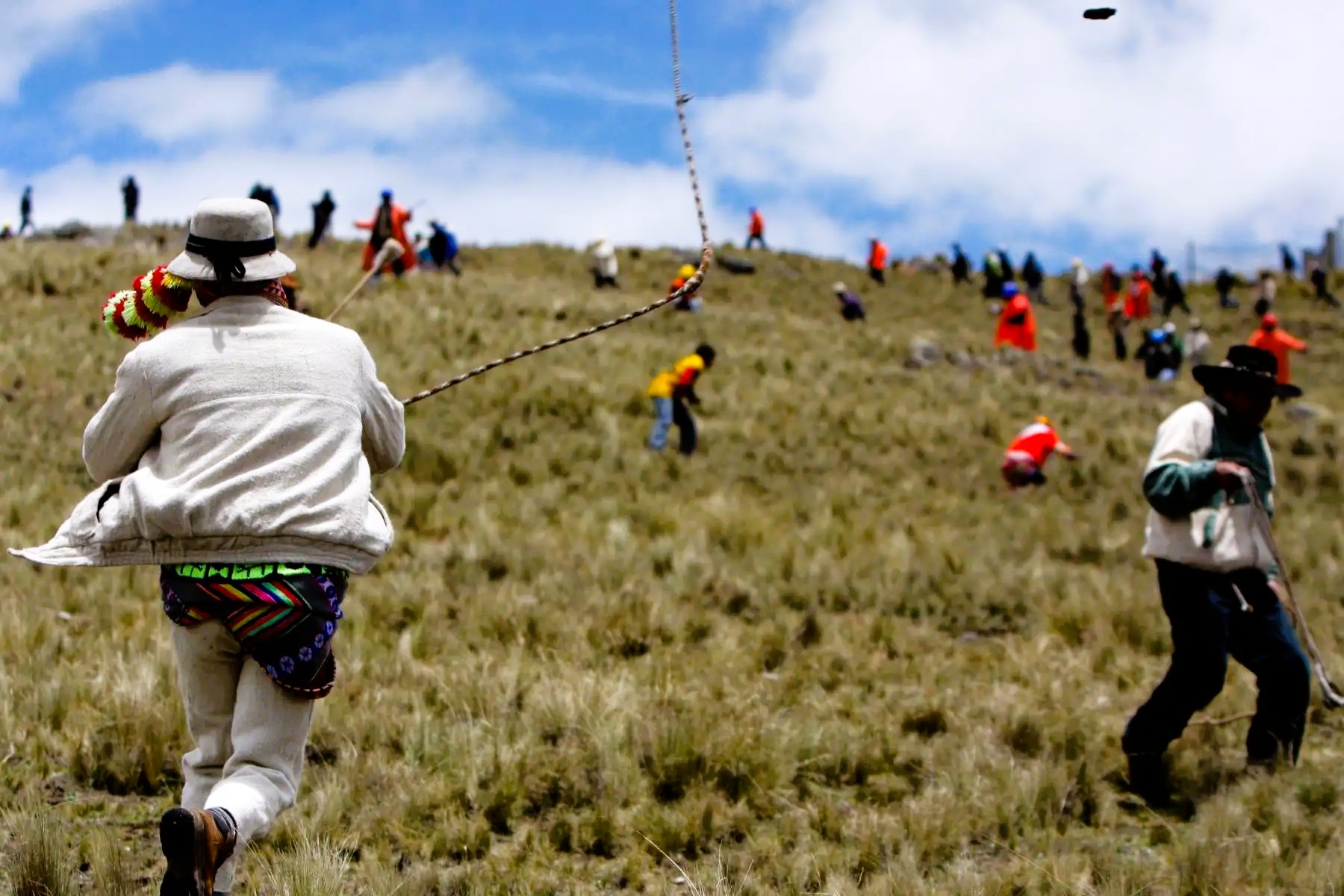
Every January 20, in the imposing Abra de Chiaraje (Canas, Cusco), an ancestral ritual battle is held between the Q’ehue and Ch’eqa groups. The fighters confront each other using huaracas (traditional slings), whips, and stones, in a spectacle that combines strength, skill, and cultural heritage. Each throw reflects not only physical ability, but also the continuity of a deeply rooted ancestral practice. This confrontation is not a simple act of violence, but a ritual that symbolizes the fertility of the land and the prosperity hoped for in the year’s harvests.
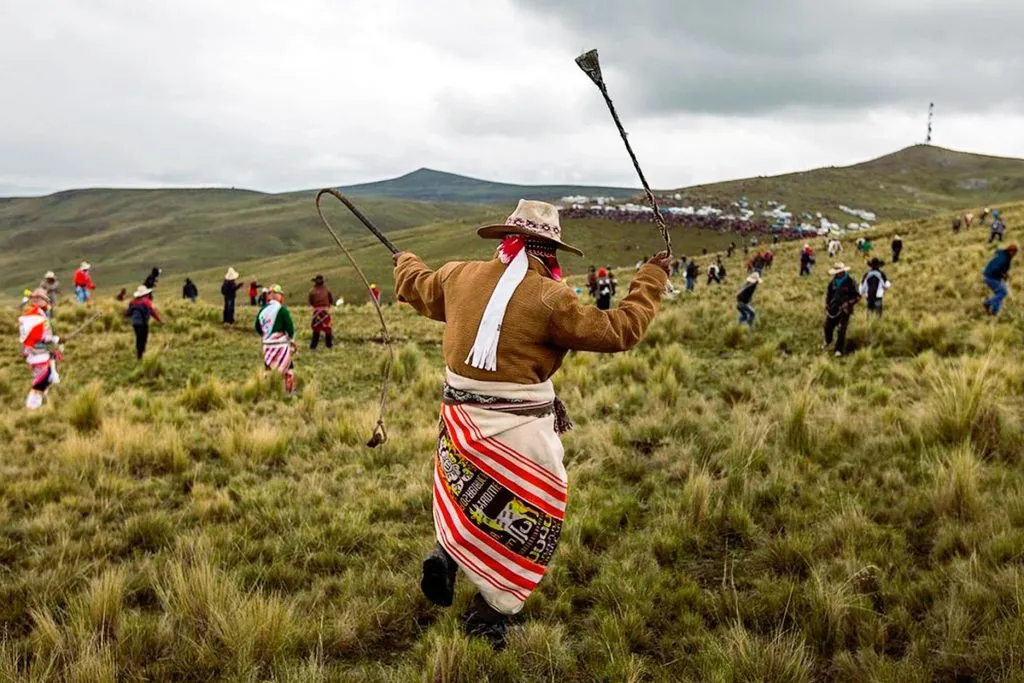
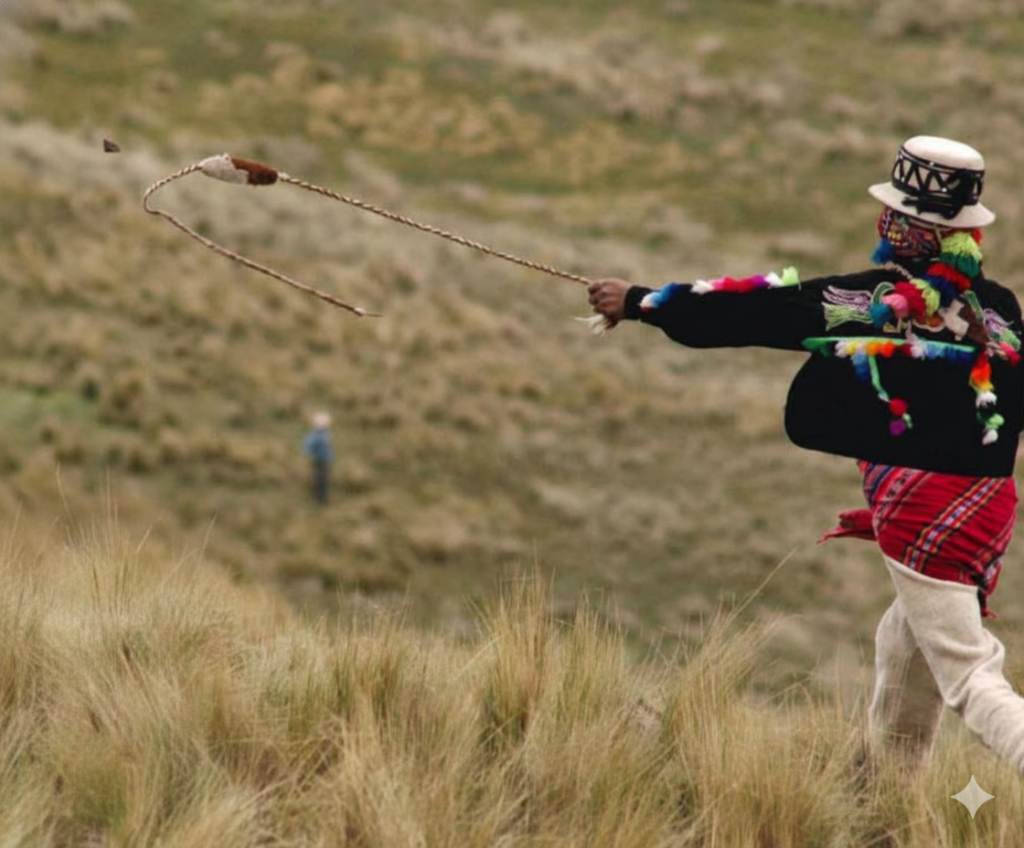
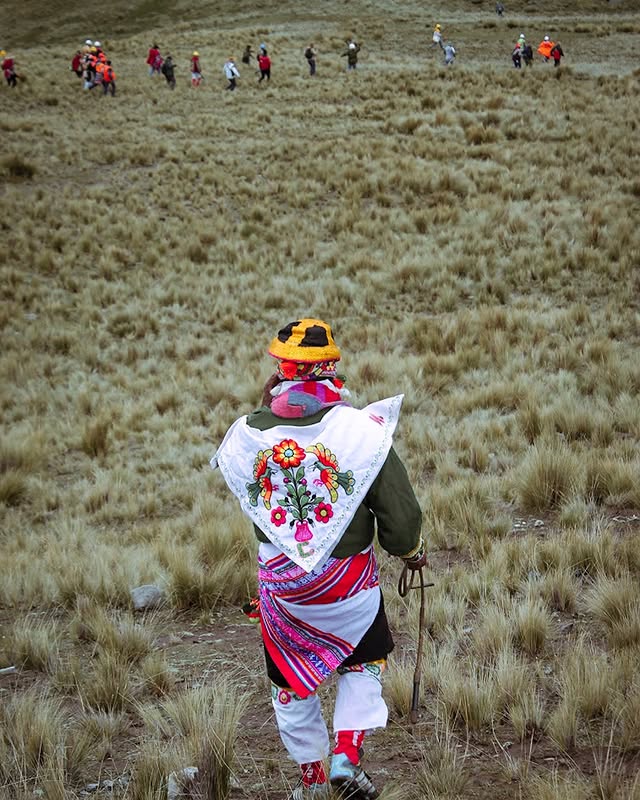
The day is experienced as a true cultural festival: the Andean landscape serves as the stage, while the entire community joins in with music and shouts of encouragement. Beyond who emerges victorious, what is celebrated is unity, resilience, and the continuity of Andean customs, turning the battle into a unique event that blends spirituality and identity.
Tabla de Contenidos
Where does the Chiaraje take place?
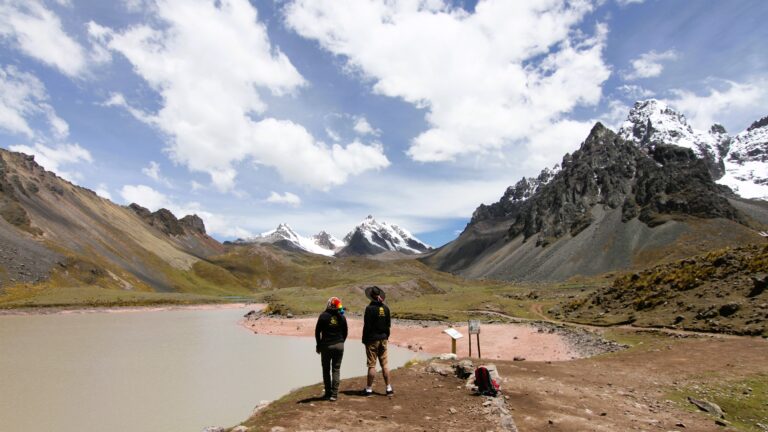
The Chiaraje is held in the province of Canas, in the Cusco region of Peru. It takes place on the plain located between the communities of Ch’eqa and Q’ehue, near the district of Kunturkanki. This celebration is carried out every January 20, as part of the festivities of Saint Sebastian, with the purpose of promoting the fertility of the land and ensuring abundant harvests in honor of Pachamama.
Prelude to the Chiaraje
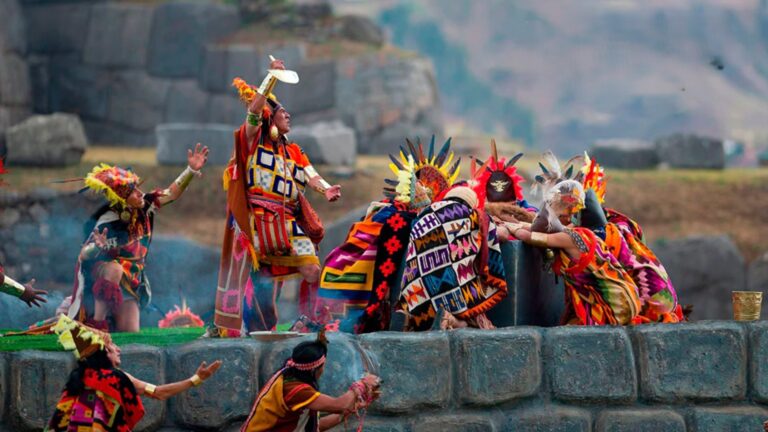
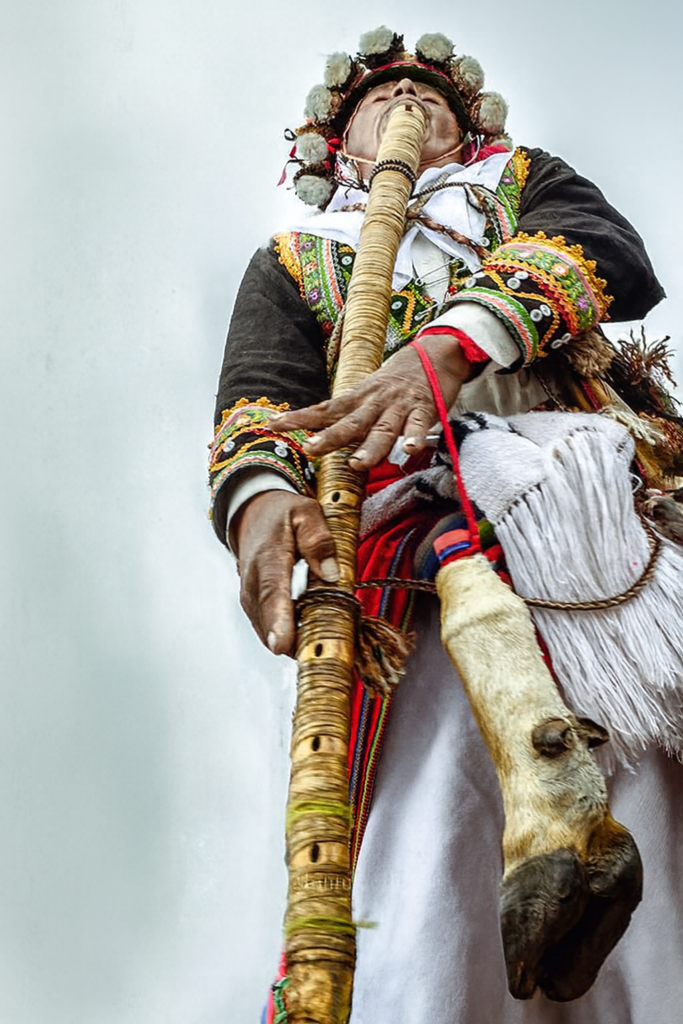
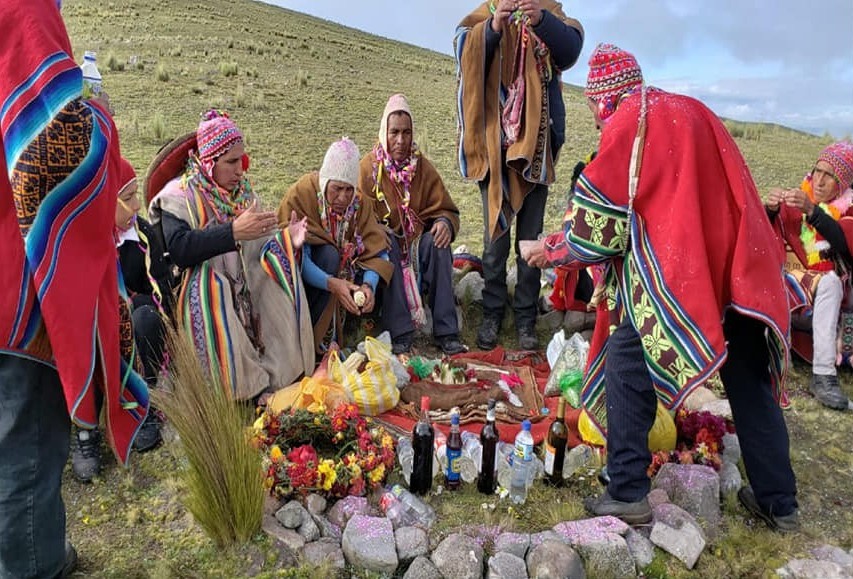
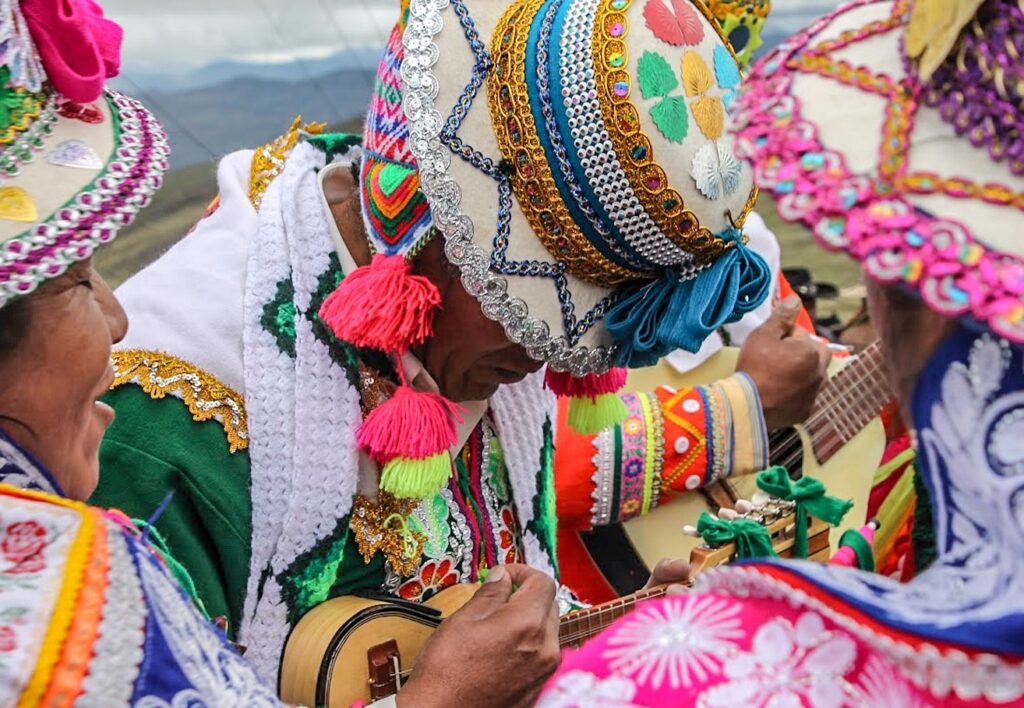
Before the battle begins, participants perform rituals and offerings to Pachamama (Mother Earth), invoking her protection and the promise of abundance. This sacred act is accompanied by deep and melancholic melodies played with bandurria, chillador, and pinkullos, whose songs convey a sense of respect and communion. These rites not only enrich the celebration, but also form the spiritual bond that unites the fighters with the land, reaffirming the harmony between tradition, nature, and community.
What is the Chiaraje ritual?
Every January 20, the traditional Chiaraje combat takes place in Cusco, where thousands of inhabitants from the provinces of Canas, Chumbivilcas, and neighboring areas face each other in a sporting manner, hurling stones with slings and sometimes engaging in close combat with blunt objects.
The Chiaraje is a symbolic representation of historical battles between Andean communities. It is held in the Cusco highlands, specifically on the plain of Q’ehue in the province of Canas. Its origins date back to pre-Hispanic times and it represents the struggle for land, fertility, and abundance.
Participants from the communities of Q’ehue and Ch’eqa divide into two groups. Dressed in traditional Andean clothing, they engage in mock battles using slings, liwis, and whips. Although symbolic, the clashes can be intense, and each community fights fervently to demonstrate its courage and endurance.
How does the Chiaraje battle end?
On some occasions, this mass battle may end with the death of a participant. This shedding of blood is understood as an offering to Pachamama, a symbol of reciprocity and fertility that foretells a good agricultural year for the participating communities.
Conclusion
The mass battle at the Abra de Chiaraje is a traditional cultural expression in honor of Pachamama. In it, the communities of Q’ehue and Ch’eqa confront each other, recreating ancestral practices that symbolize the struggle for fertility and balance. Passed down since ancient times, this ritual keeps collective identity and cultural memory alive, enduring to this day as an expression of strength, tradition, and Andean continuity.
Contact us:
With Life Expeditions, your dream trip to Peru becomes a reality. Specialists in the Inca Trail and tailor-made packages, we take you to unique places such as:
Ready for a personalized adventure? Your adventure begins now!