
Andean Apachetas: Origin, and Sacred rituals
Apachetas are a fundamental part of the Andean worldview and represent an ancient spiritual practice that still endures in the Andes. These stone mounds, found along the Qhapaq Ñan and in various sacred spaces, symbolize respect, gratitude, and the deep connection between human beings and Pachamama, our Mother Earth. Through apachetas, travelers express their devotion, ask for protection, and acknowledge the sacredness of the territory they are traveling through.
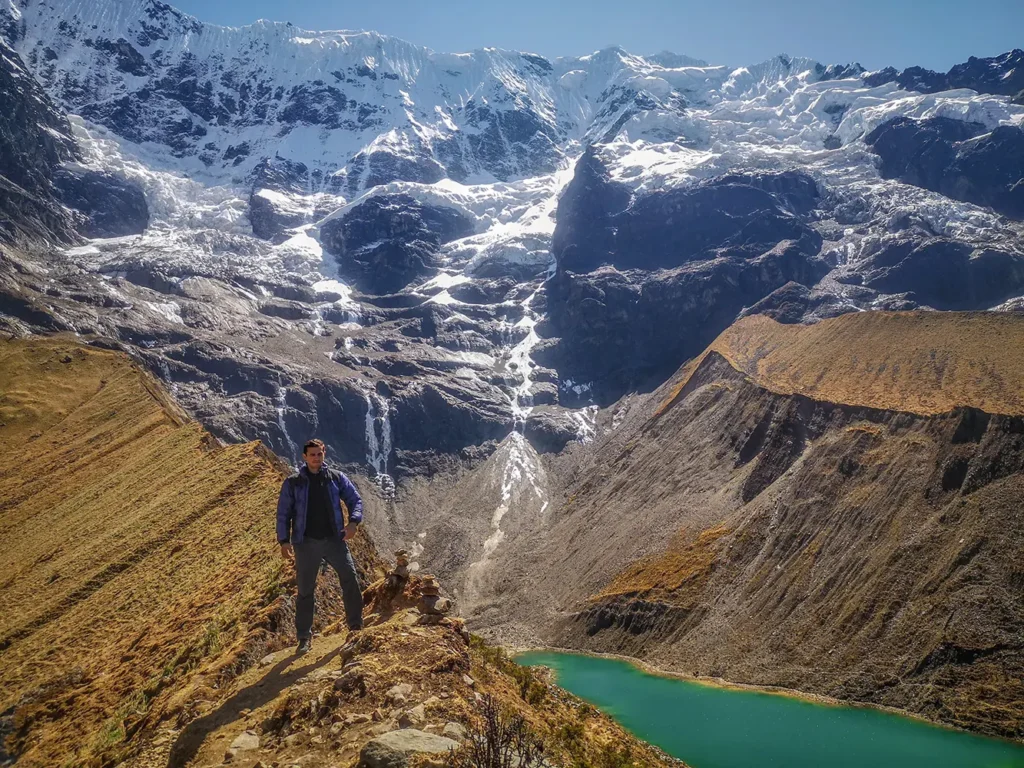
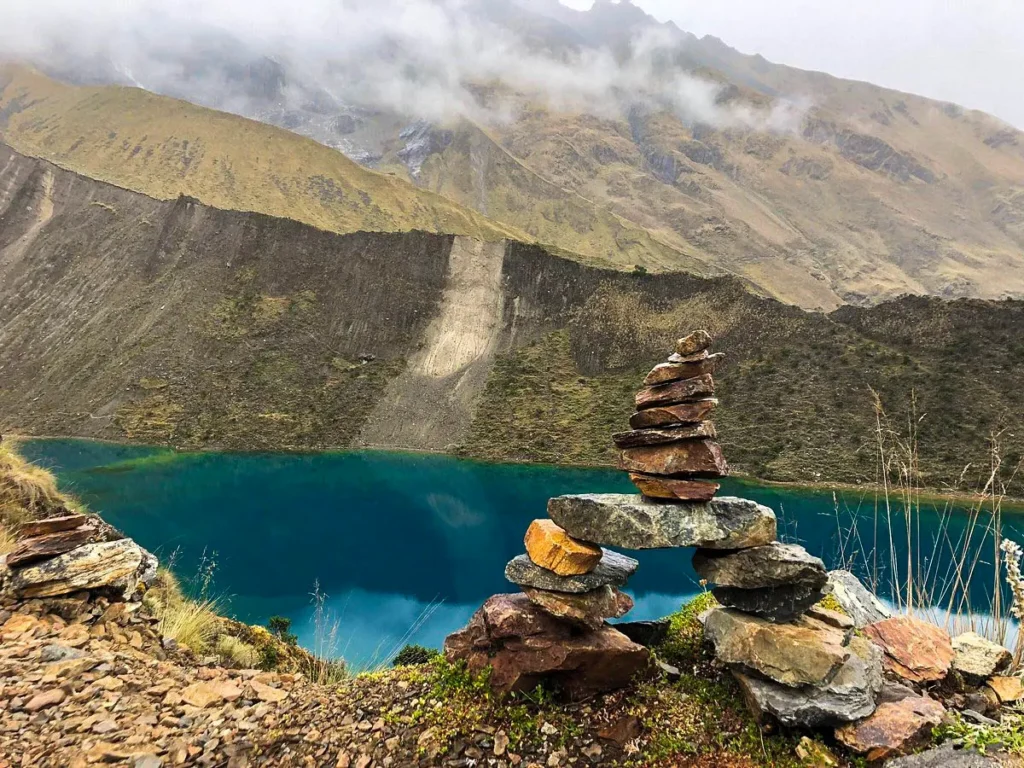
Tabla de Contenidos
What are apachetas?
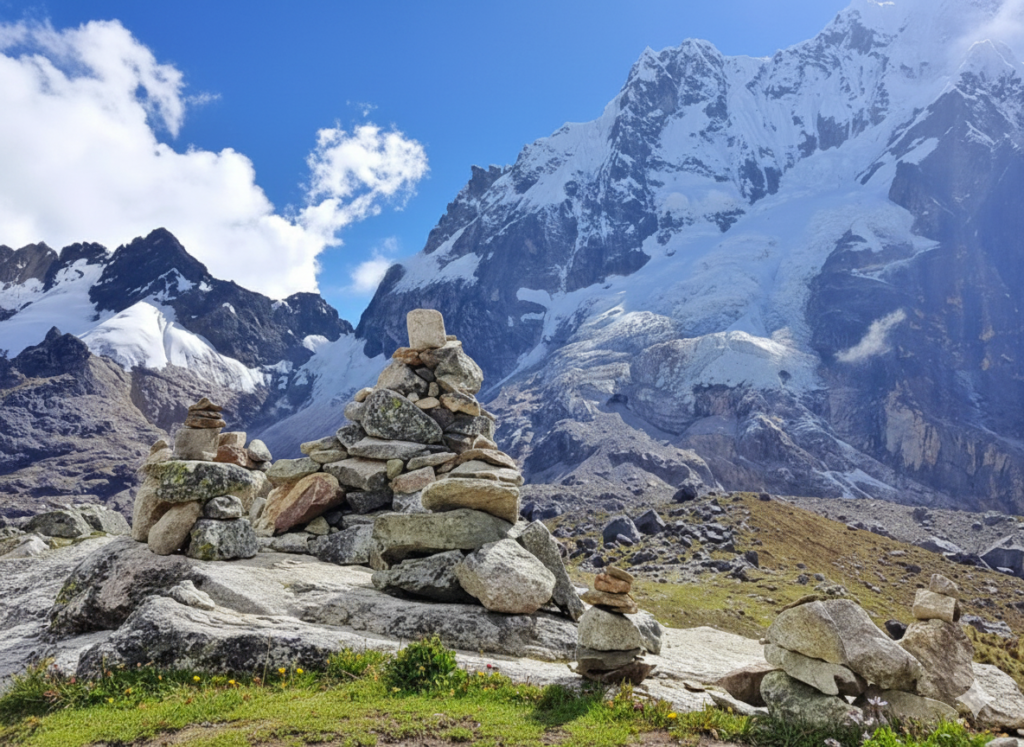
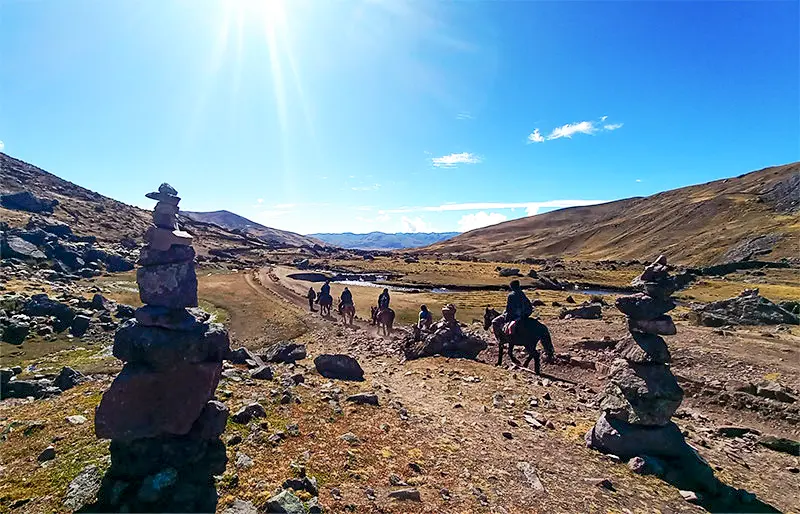
Apachetas are mounds of stones found mainly on Andean roads, mountain ranges, passes, and mountain crossings. Their name comes from the Aymara term apacheta, and in ancient times they were also known as the starting and ending points of a journey. These structures are generally conical in shape, with a wide base due to constant natural landslides and the custom of not rebuilding them.
Apachetas can vary in size: from small mounds measuring a few centimeters to large rock formations with a base diameter of approximately 10 meters and a height of up to 3 meters.
Spiritual and ritual significance
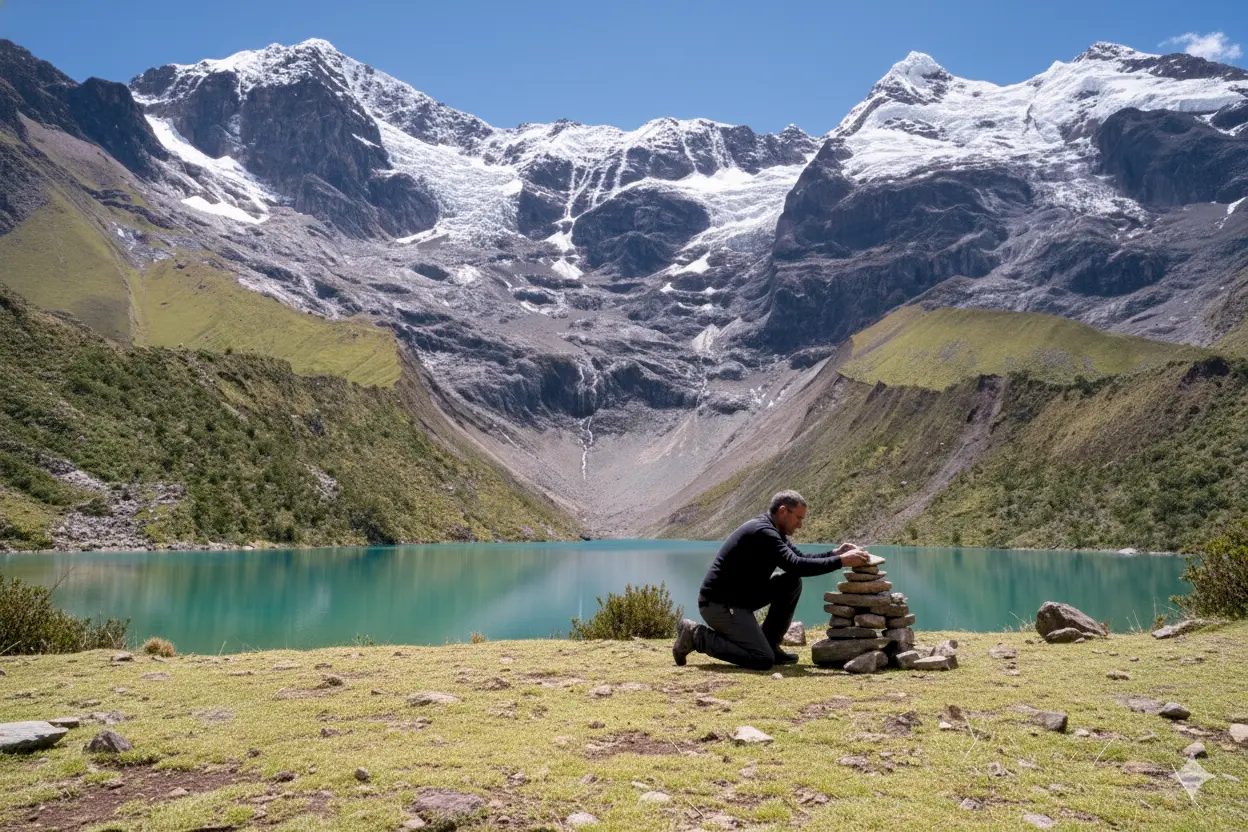
Within the Andean worldview, apachetas are sacred places inhabited by spirits that protect the road. Upon reaching an apacheta, travelers place one or more stones there as a sign of respect and gratitude. This act symbolizes the traveler’s vigor, their devotion to the “open road,” and their gratitude for having arrived safely at that point.
It is said that before placing the stone, it must be passed over the entire body. This gesture represents that the person is entering these lands for the first time and will do so with respect, humility, and love for Pachamama. At that moment, one can also ask for wishes, protection, and health to continue the journey.
Offerings at the apachetas
The offerings placed on the apachetas can be simple or of great symbolic value. They include small stones, coca leaves, food, and in ancient times, highly sacred objects such as mullu (Spondylus shells), as well as gold and silver statuettes.
To this day, the inhabitants of the Andes continue to carry items with them to leave as offerings, keeping this ancient tradition alive.
Apachetas in the times of the Tahuantinsuyo
During the Tahuantinsuyo, the chaskis—Inca messengers—would encounter apachetas along the roads. At each one, they would make offerings and ask for permission to enter a new territory, as well as protection to continue their work.
The chronicler Garcilaso de la Vega explains the meaning of the apachetas as follows:
“The name Apachitas given by the Spanish to the peaks of very high hills, which they consider to be gods of the Indians, means: let us give thanks and offer something to the one who gives us strength and vigor to climb hills as rough as this one…”
This testimony shows how the Andean peoples gave thanks for the strength they received to overcome difficult roads.
Cultural resistance and current relevance
During colonial times, the Incas and Andean peoples had to practice these rituals in secret, as the Spanish prevented these ceremonies from being performed. Despite this, the apachetas never disappeared.
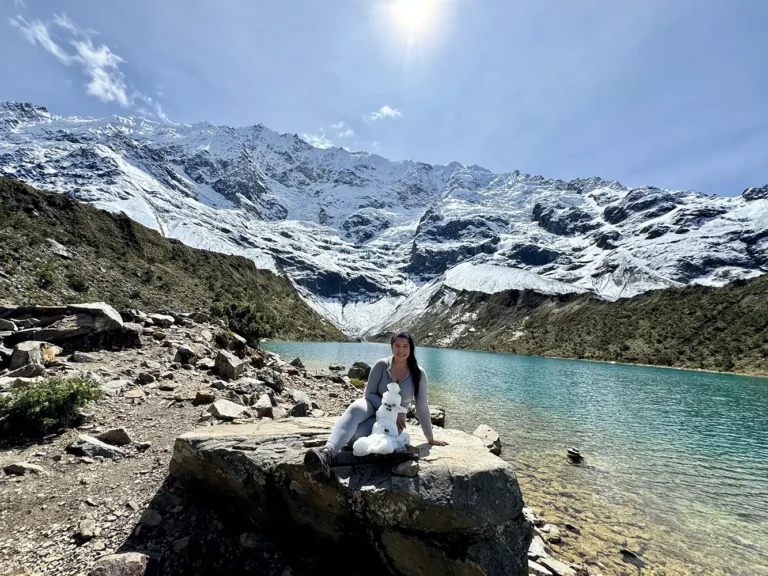
Today, they are still present in sacred places such as Salkantay, Quelccaya, Ausangate, Humantay, among many others. In these spaces, apachetas continue to be symbols of respect, spirituality, and connection with Mother Earth.
Conclusion
Apachetas are not simple mounds of stone, but living expressions of the Andean worldview. They represent the sacred bond between human beings, nature, and the protective spirits of the road. Through them, Pachamama is honored, thanks are given for the journey, and permission is requested to continue. This ancestral tradition, passed down from generation to generation, continues today as an act of respect, faith, and harmony with the Andean world.Apachetas are not simple mounds of stone, but living expressions of the Andean worldview. They represent the sacred bond between human beings, nature, and the protective spirits of the road. Through them, Pachamama is honored, thanks are given for the journey, and permission is requested to continue. This ancestral tradition, passed down from generation to generation, continues today as an act of respect, faith, and harmony with the Andean world.
Contact us:
With Life Expeditions, your dream trip to Peru becomes a reality. Specialists in the Inca Trail, Ausangate, Salkantay, and tailor-made packages, we take you to unique places such as:
Ready for a personalized adventure? Your adventure begins now!