
Altitude sickness: Are coca leaves or coca tea effective?
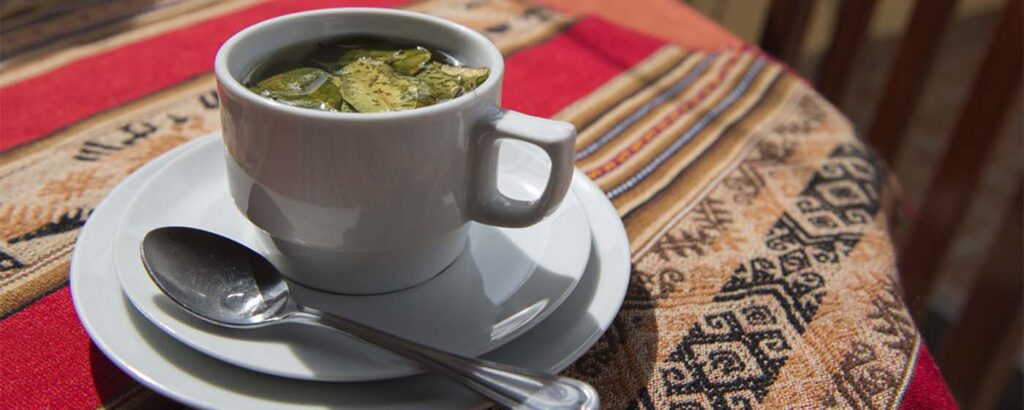
The coca leaf is highly valued by people who venture outside their comfort zone, especially when visiting high-altitude locations and going on hikes. In Andean regions where altitude sickness is common, coca has been used since ancient times as a natural aid for the body. Andean communities consume it to relieve symptoms such as headaches, fatigue, and digestive problems, such as indigestion. For this reason, the relationship between coca and altitude sickness is well known among those who travel or live in high altitude areas of the Andes.
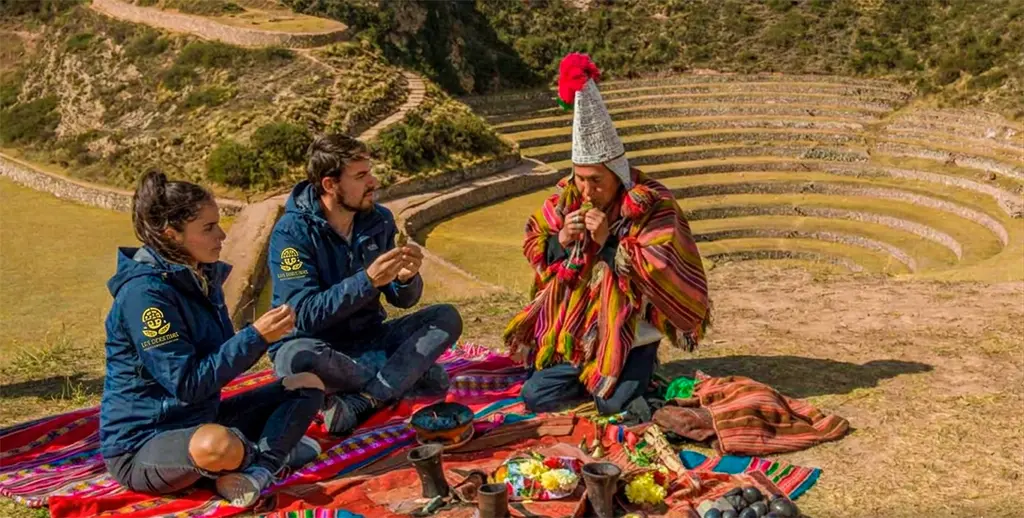
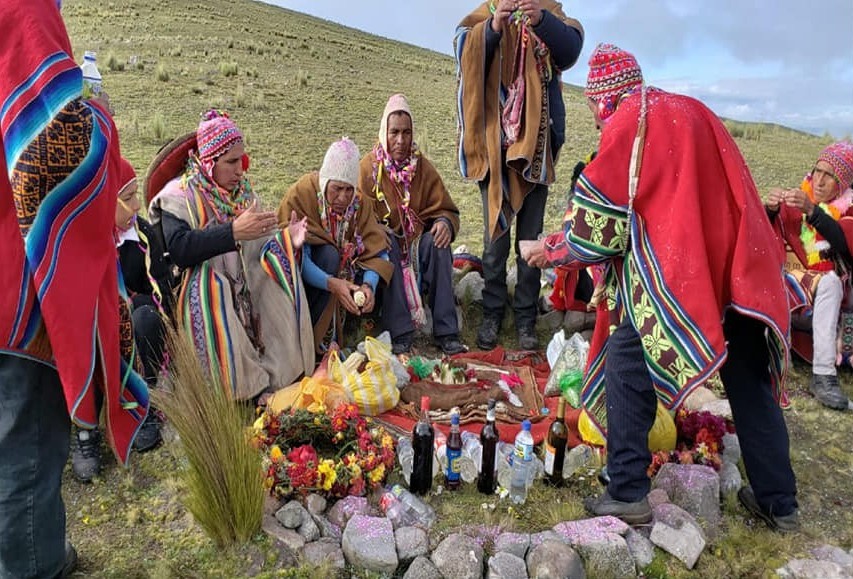
In addition to its medicinal properties, the coca leaf has deep cultural and spiritual significance. In the Andes, it is a fundamental element in traditional ceremonies and rituals, such as offerings to Pachamama. Each coca leaf symbolically represents an apu, or the protective spirits of the mountains. Coca is also part of cultural practices such as servinacuy or alcanza cuy, where offerings and acts of reciprocity with nature are performed.
Throughout history, even during colonial times, the Spanish called it “cuca,” recognizing its importance among the Andean peoples. Talking about the coca leaf involves much more than mentioning its physical benefits, as it is also a plant rich in nutrients and a fundamental symbol of Andean identity, tradition, and worldview. Therefore, the relationship between coca and altitude sickness not only reflects its natural properties, but also the ancestral wisdom of the Andean peoples who have used this plant for centuries.

What are the benefits of coca?
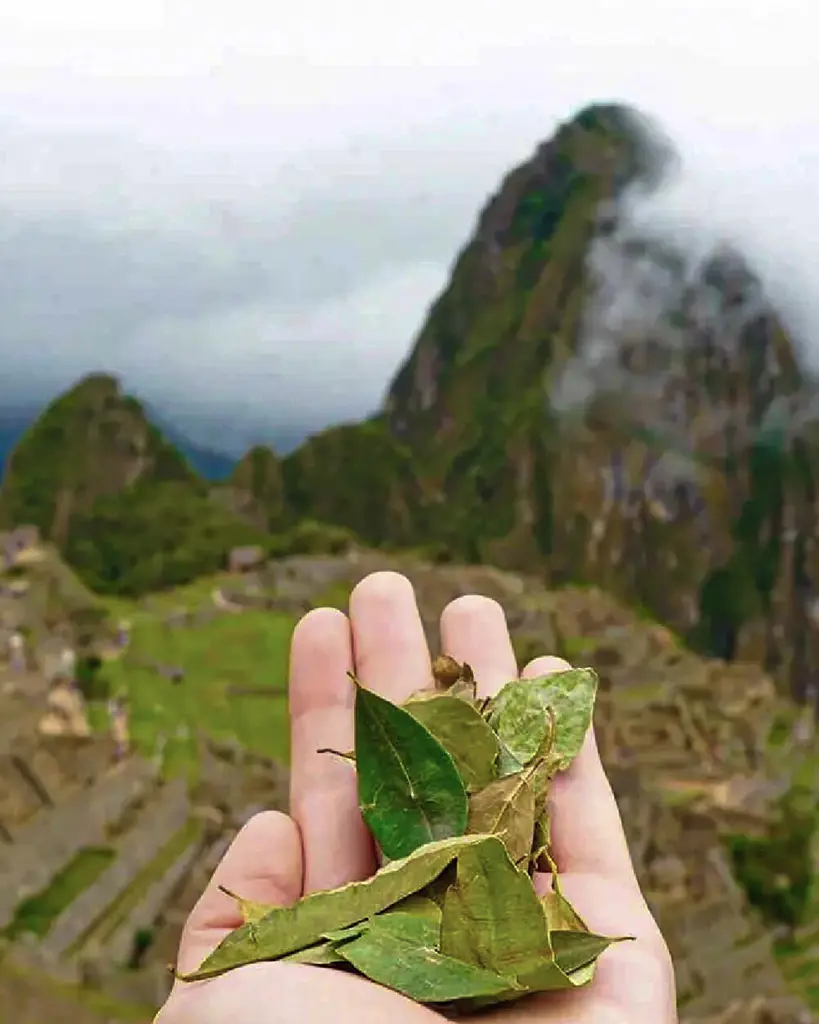
The coca leaf is an ancient plant that is very important in Andean culture, known for its many health benefits and cultural value. Since ancient times, the peoples of the Andes have used it to combat altitude sickness, relieve headaches, and improve digestion, especially in cases of indigestion. For this reason, it is considered a natural aid for people who visit or live in high-altitude areas.
In addition to its medicinal benefits, the coca leaf has high nutritional value. It contains important nutrients such as proteins, carbohydrates, fiber, and various minerals essential for the body. Among the most notable minerals are calcium, phosphorus, iron, magnesium, and potassium. It also contains vitamins such as thiamine, riboflavin, and carotene, which contribute to the proper functioning of the body.
When consumed as tea, coca leaves provide minerals such as calcium, magnesium, potassium, iron, manganese, zinc, phosphorus, copper, sulfur, sodium, and aluminum. Thanks to these components, it helps improve energy, strengthen the body, and contribute to overall well-being.
What types of pain does coca leaf relieve?
The coca leaf has multiple medicinal properties that have been used by Andean communities since ancient times. Among its most notable benefits are its ability to relieve headaches, treat indigestion, reduce swelling, and improve digestion.
In addition to its healing properties, coca also works as a natural energizer. Its consumption provides greater strength and vitality, which is especially useful for hiking, physical work, or activities at high altitudes. Traditionally, during the act of shaqchar or piqchrar (chewing coca leaves), the plant is considered to help satisfy hunger, functioning almost like food and providing sustained energy to the body.
Thanks to these properties, the coca leaf is not only valued for its cultural and spiritual importance, but also for its practical function as a natural remedy and source of energy, consolidating its relevance in the daily life of the Andean peoples.
Coca in the history of the Inca empire and Latin America
With the arrival of the Spanish in Peru, many chroniclers devoted themselves to describing, from their own perspective, the customs, beliefs, and resources of Andean societies. Among the elements that most caught their attention was the coca leaf, due to its great importance in the daily and spiritual life of the Andean peoples. Research such as that of Shozo Masuda, which analyzes various texts by chroniclers from the 16th and 17th centuries, shows in an orderly manner how the Spanish recorded the use and meaning of coca in the Andean world.
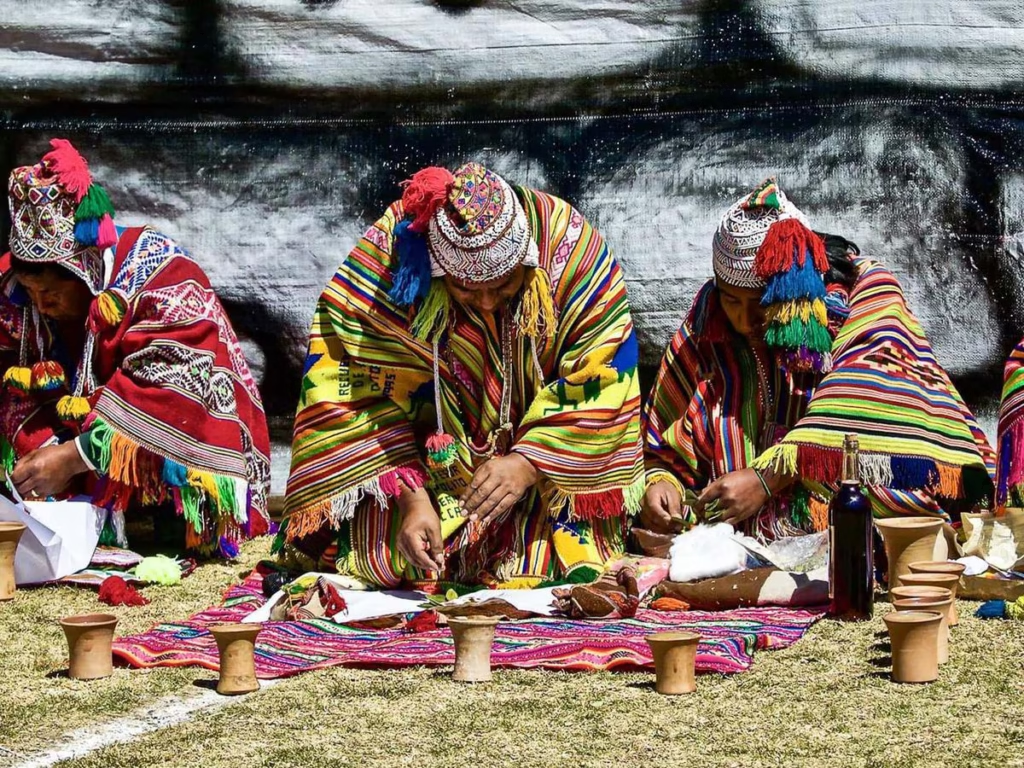
The chroniclers observed that the coca leaf was deeply integrated into religious life. In many communities, it was considered a sacred plant, related to Pachamama, Mother Earth. Coca was mainly used as an offering in rituals dedicated to the Sun, Pachamama, other deities, huacas (sacred places), and ancestors. It was also common to offer coca leaves at apachetas—mounds of stones located on the roads of the Andes—as a sign of respect and gratitude.
In addition, coca played an important role in special moments in community life. It was used in ceremonies to ask for rain or good weather, in agricultural rituals, and in celebrations marking the end of an important work or activity, such as in the ch’allay ritual. In this way, the coca leaf not only served a medicinal or everyday function, but was also an essential part of Andean spirituality, social organization, and worldview.
Causes of Altitude Sickness
Altitude sickness is caused by a decrease in oxygen concentration at high altitudes. This decrease in oxygen can cause symptoms such as dizziness, nausea, headaches, and fatigue. It can also lead to more serious conditions such as pulmonary edema or cerebral edema. Altitude sickness is most commonly experienced when people ascend quickly to altitudes higher than 8,000 feet (2,400 meters).
High Elevation Symptoms
Symptoms of altitude sickness can vary from person to person and range in severity. Common symptoms include headaches, dizziness, nausea, fatigue, shortness of breath, loss of appetite, and difficulty sleeping. In more severe cases, people may experience confusion, disorientation, chest pain or tightness, rapid heart rate, coughing up blood or fluid in the lungs (pulmonary edema)
Traditional Uses of Coca Leaves and Tea for Altitude Sickness
The coca leaf is not only used for consumption or for its health benefits, but also has a profound spiritual significance within Andean culture. Since ancient times, coca has been considered a sacred plant directly linked to Pachamama, Mother Earth, and the apus, who are the protective spirits of the mountains.
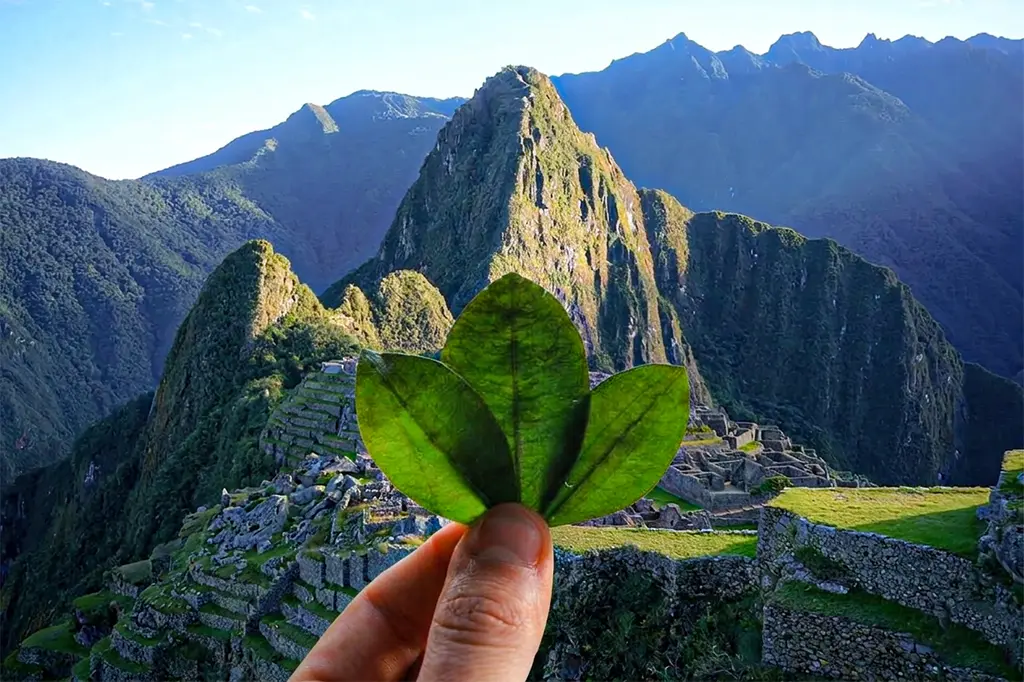
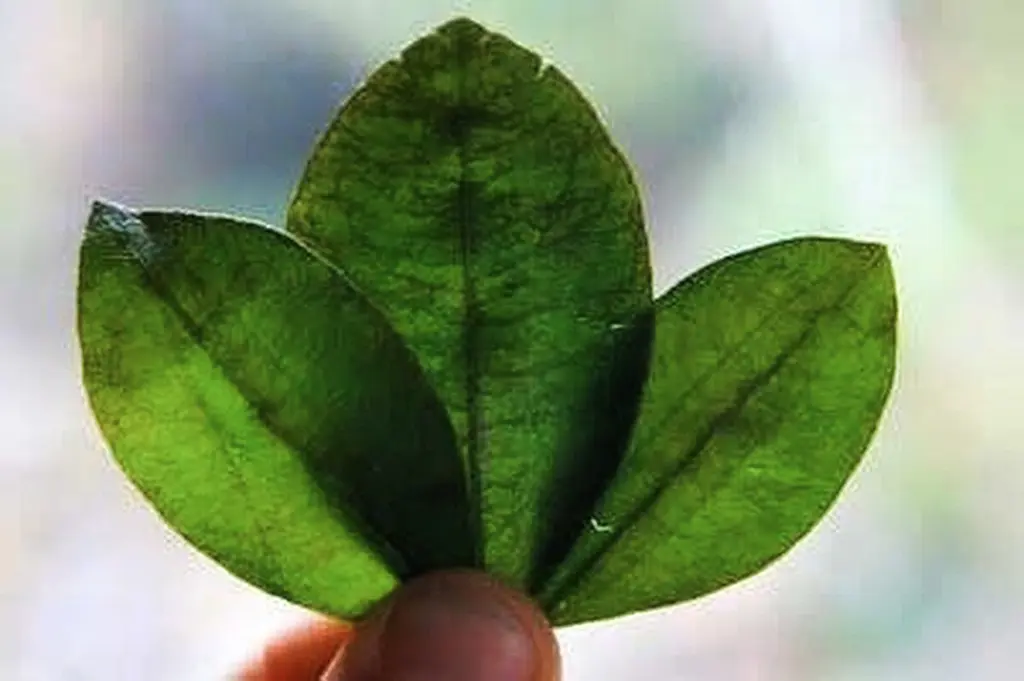
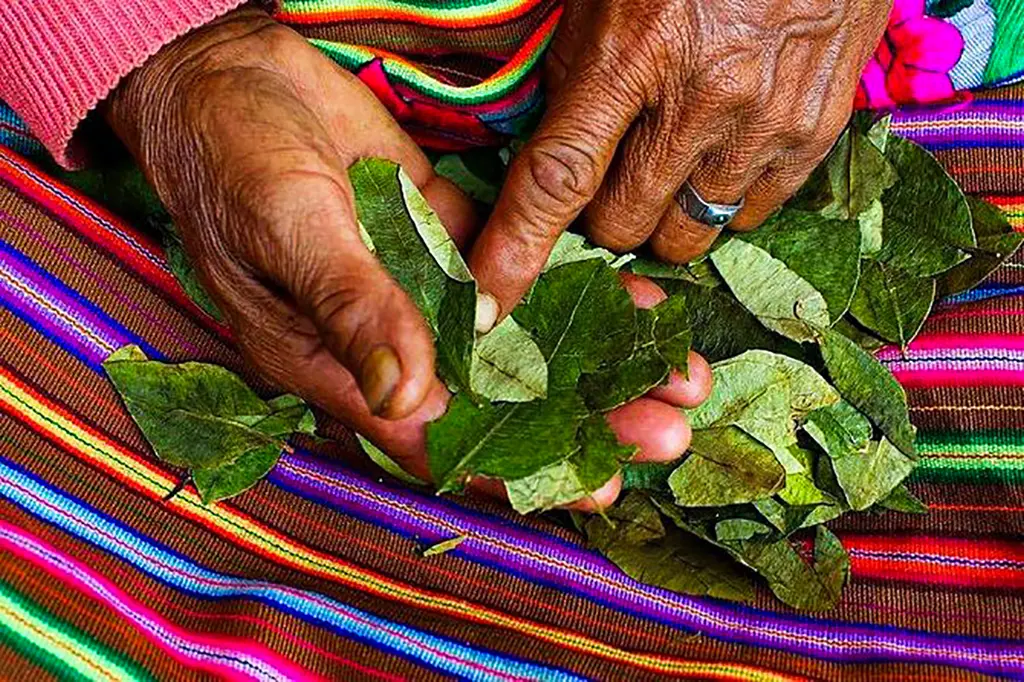
Within Andean traditions, coca is one of the essential elements in offerings to Pachamama. One of the best-known rituals is coca kintu, which consists of selecting three coca leaves and offering them with respect while making wishes, giving thanks, or making requests from the bottom of one’s heart. This act symbolizes the connection between the person, nature, and the spiritual world.
Likewise, in many Andean communities, there is a custom of asking Pachamama for permission before entering a new or sacred place. Through the offering of coca leaves, people show respect and seek protection to pass through these spaces.
Tradition also states that the coca leaf is the daughter of Pachamama, which is why it has always been treated with great respect. This spiritual value remains to this day, as it continues to be a symbol of cultural identity and connection with nature.
During the time of the Inca Empire, coca was not only used in religious rituals, but also for medicinal purposes. For example, it was used as a natural sedative to relieve toothache and other ailments, demonstrating that this plant served both spiritual and practical functions in the daily life of the Andean peoples.
Scientific Evidence for the Effectiveness of Coca Leaves and Tea for Altitude Sickness
Despite its widespread use, there is limited scientific evidence to support the effectiveness of coca leaves and tea for altitude sickness. Studies have shown that coca leaves and tea can help reduce fatigue and improve energy levels, but it is unclear if this is due to their alkaloid content or other factors. Additionally, there is some evidence that coca leaves and tea may have anti-inflammatory properties.
Studies conducted by Harvard University show that 100 grams of coca leaves contain almost 2 grams of potassium, necessary for the healthy functioning of the heart. Also, it is said to aid in weight loss. Given its vitamin and trace element content, coca tea can be seen as both a food and medicinal purposes.
- Carbohydrates 46.2 g
- Dietary fibre 14.4 g
- Fat 5.0 g
- Protein 18.9 g
- Water 6.5 g
- Retinol (vit. A) 6598.68 μg (733%)
- Thiamine (vit. B1) 0.35 mg (27%)
- Riboflavin (vit. B2) 1.91 mg (127%)
- Niacin (vit. B3) 1.3 mg (9%)
- Pantothenic acid (vit. B5) 0.685 mg (14%)
- Vitamin B6 0.508 mg (39%)
- Folic acid (vit. B9) 0.13 μg (0%)
- Vitamin C 1.4 mg (2%)
- Vitamin E 29 mg (193%)
- Calcium 1540 mg (154%)
- Copper 1.21 mg (0%)
- Iron 45.8 mg (366%)
- Magnesium 213 mg (58%)
- Manganese 6.65 mg (333%)
- Phosphorus 911 mg (130%)
- Potassium 2.02 mg (0%)
- Sodium 40.6 mg (3%)
- Zinc 2.7 mg (27%)
Conclusion
Coca is one of Peru’s most representative and valuable elements. Since the time of the Inca Empire, it has been used not only as a medicinal plant, but also as a spiritual and cultural element. The Andean peoples used it in various customs and rituals. For example, the akhulleq, the person in charge of chewing or “pijchar” the coca, interpreted its leaves to know if something was going to turn out well or badly. In this way, coca not only served a practical function, but also a symbolic one, as it was considered a form of connection with the spiritual and with the ancestral wisdom of the Andes.
Contact us:
With Life Expeditions, your dream trip to Peru becomes a reality. Specialists in the Inca Trail, Ausangate, Salkantay, and tailor-made packages, we take you to unique places such as:
Ready for a personalized adventure? Your adventure begins now!