
Moray – agricultural laboratory and impressive hydraulic engineering of the Incas
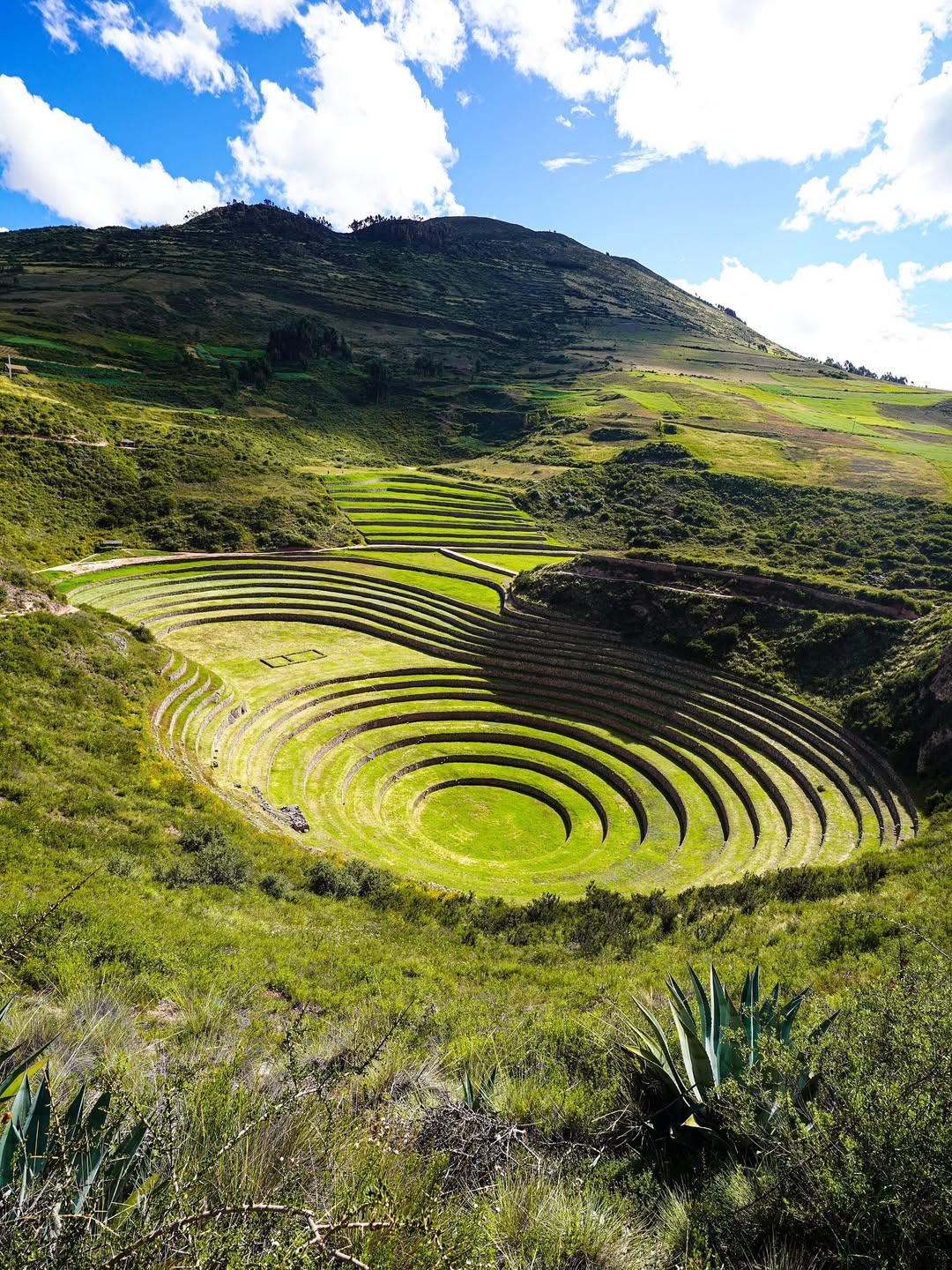
Moray, the impressive architectural work located between the Sacred Valley of the Incas and the imperial city of Cusco, is considered a true Inca agricultural laboratory. Its circular terraces allowed the ancient inhabitants to experiment with different crops, reproducing conditions of both cold and warm zones within the same space. By combining ancestral agricultural wisdom with excellent hydraulic engineering, and thanks to this strategy, agricultural products were able to acclimate to the varied ecological levels, expanding their cultivation potential.
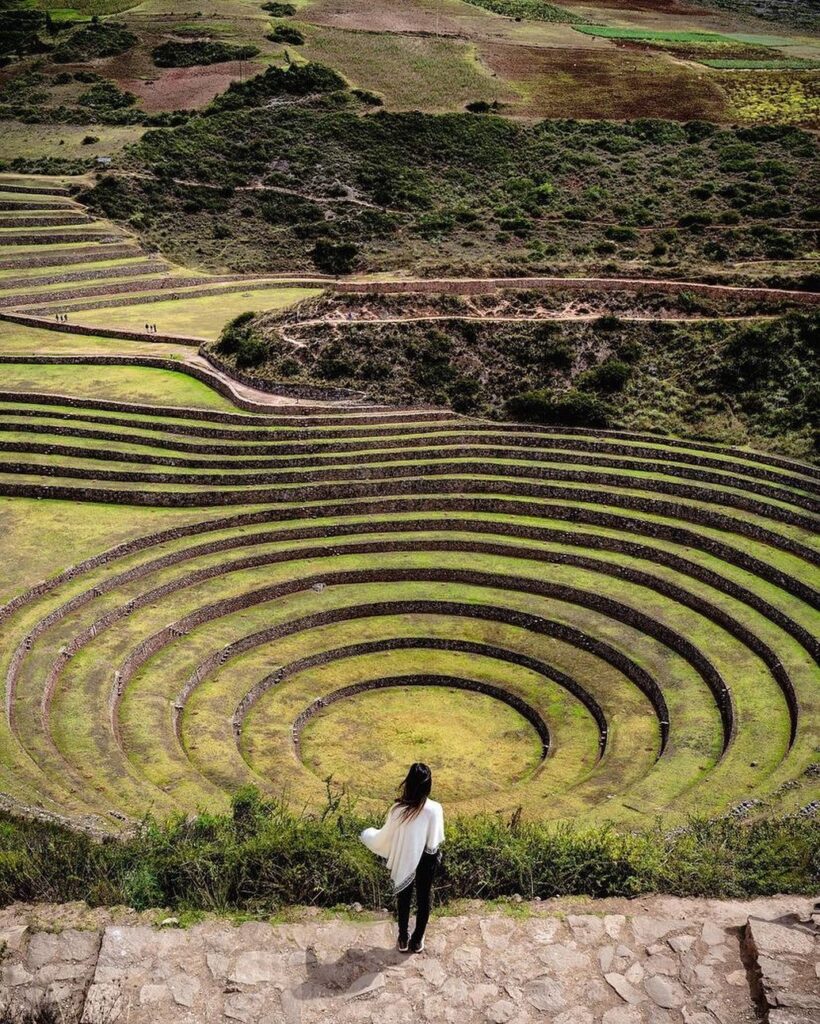
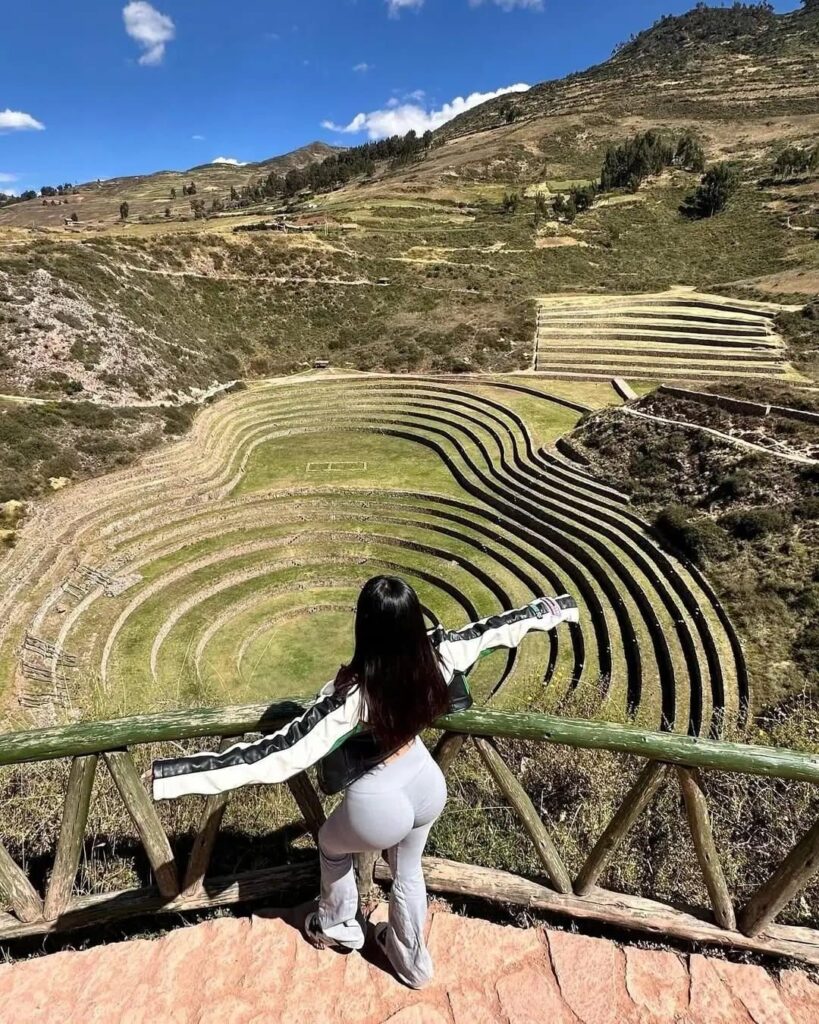
Tabla de Contenidos
How to get to the Inca agricultural laboratory?
To reach the archaeological complex of Moray, one departs from the imperial city of Cusco, located approximately 50–60 km away. The journey by car takes about an hour and a half, making the visit an accessible and highly recommended excursion.
The route goes through the picturesque town of Maras, famous for its salt mines, and from there continues to Moray. This trip combines beautiful Andean landscapes with the opportunity to discover one of the most enigmatic sites of the Inca legacy.
Etymology of the name Moray
The name Moray, located in the middle of the Sacred Valley of the Incas, comes from the union of two Quechua words: muyu, meaning “round,” and uray, meaning “below.”
According to Dr. Angles Vargas, this name refers to the circular shape of its agricultural terraces, a unique feature that distinguishes the archaeological site. It is also linked to the term aymuray, meaning “corn harvest,” a celebration that took place in March and reinforces Moray’s connection with agricultural cycles and the Andean worldview.
Terraces of Moray
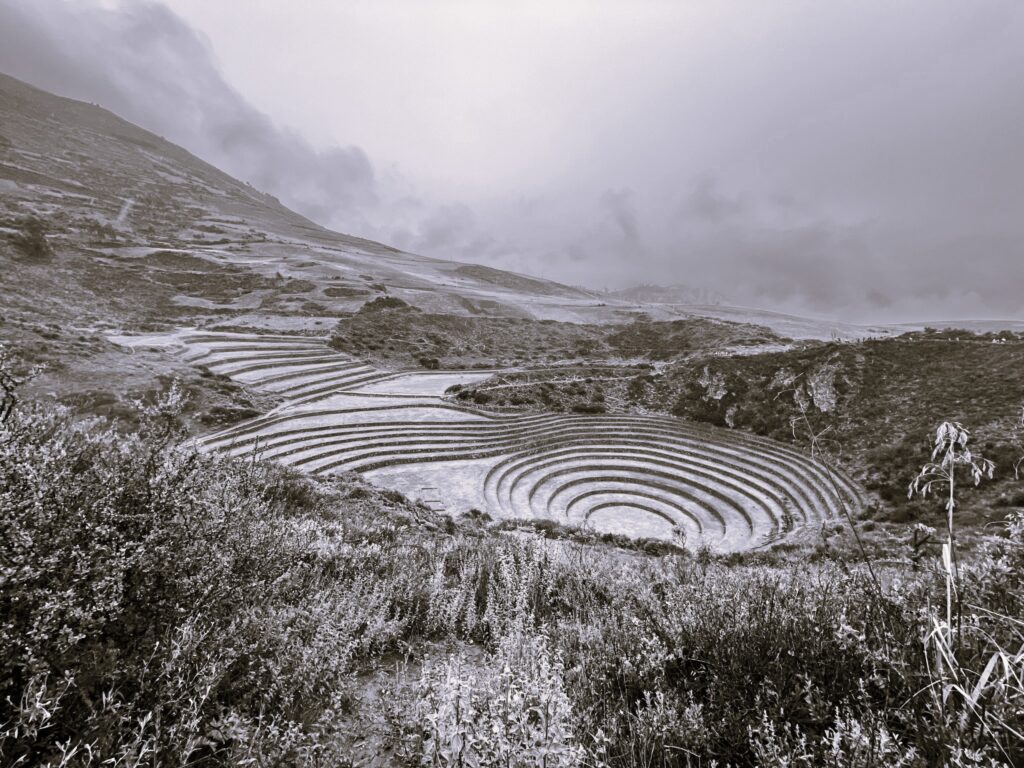
There are theories suggesting that the archaeological complex of Moray may have been built long before the Inca period. Some researchers attribute its origin to ancestral peoples of the region, who may have designed these impressive circular terraces with the purpose of freely cultivating different agricultural products. Thanks to the arrangement of its terraces, Moray made it possible to reproduce various microclimates and ecological levels, allowing for the cultivation of a wide variety of species.
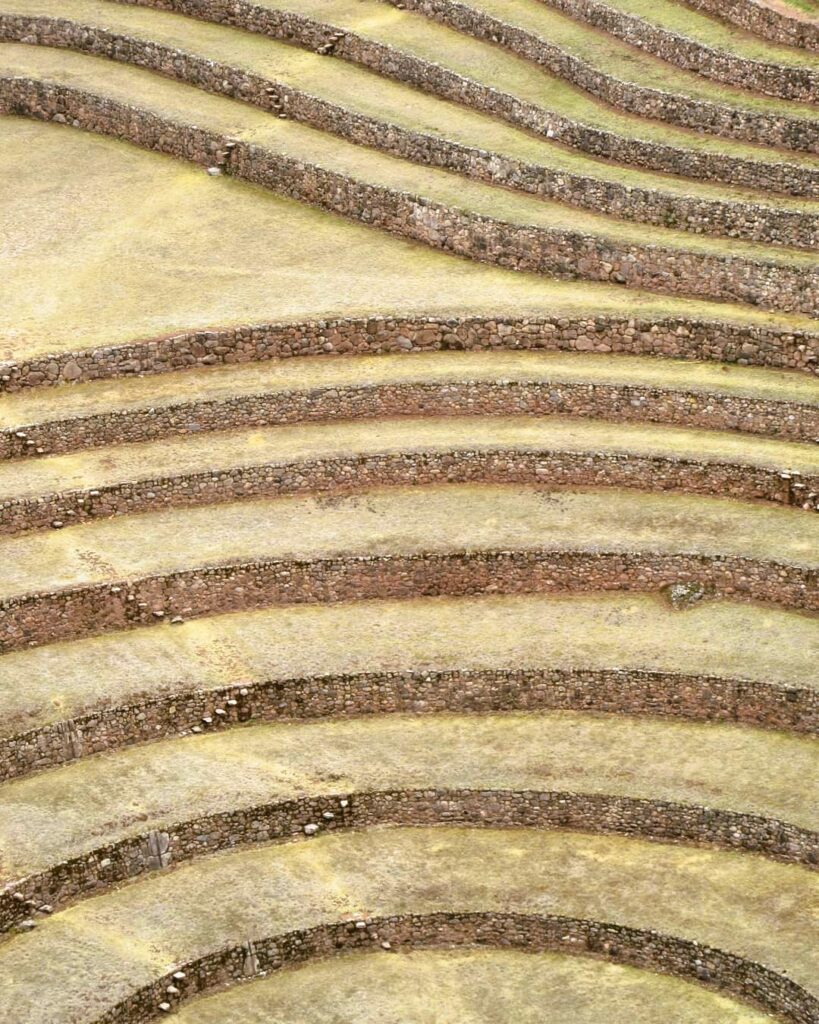
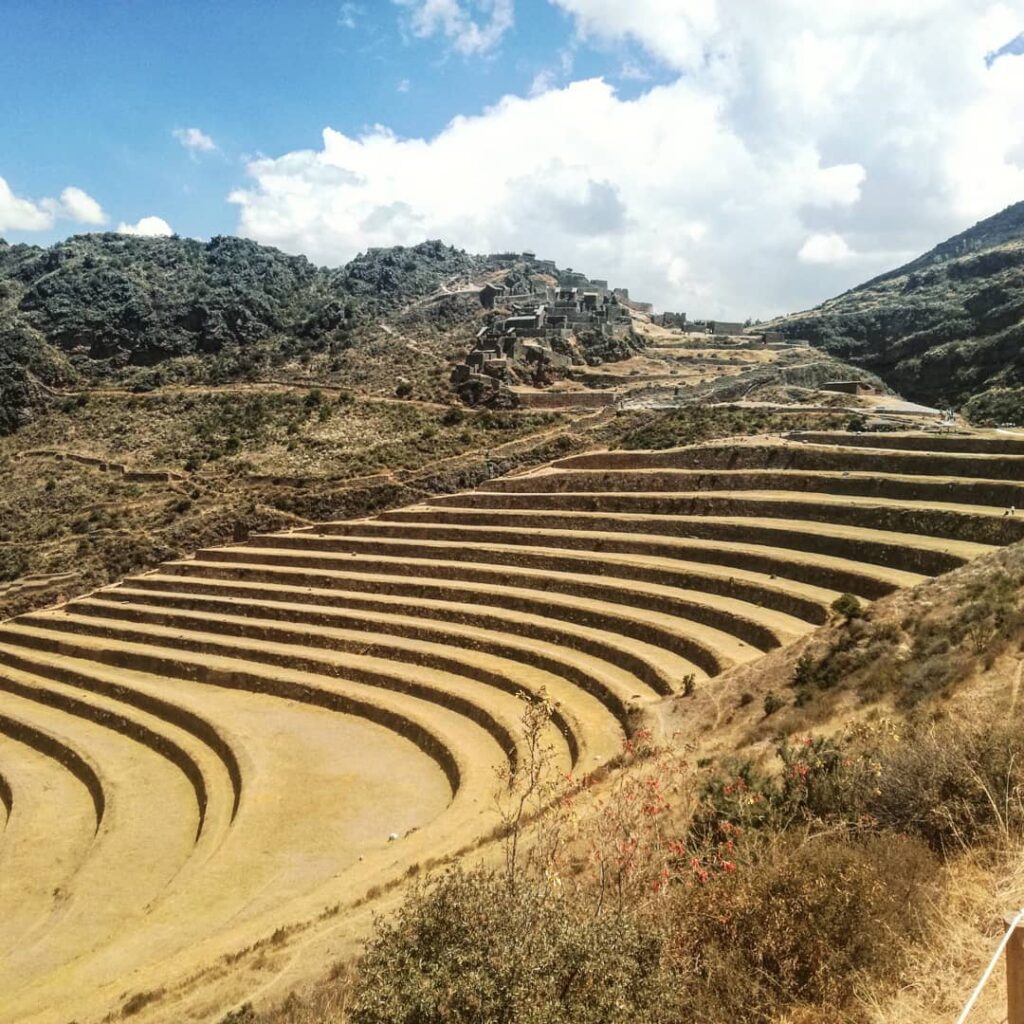
It also stands out for its hydraulic and drainage engineering, since each terrace has a system designed to prevent water accumulation. This mechanism ensured that crops grew under optimal conditions, demonstrating the wisdom and technological precision of the Incas. This ingenious agricultural system shows the ancestral knowledge in managing land and climate, turning Moray into a true natural laboratory that enabled the domestication and adaptation of plants in different environments.
What was cultivated in the Inca agricultural laboratory?
During the Inca period of the Tahuantinsuyo, the archaeological complex of Moray in Cusco was a highly relevant agricultural center. It is estimated that nearly 60% of the vegetable species known at the time were cultivated there, along with more than 3,000 varieties of potatoes, corn, and other Andean crops.

Among the most important was the coca leaf, native to the warm areas of the Cusco jungle. For the Incas, coca was considered a sacred plant thanks to its natural properties that provided energy and endurance.
Moray as a tourist attraction
Visitors are greeted with an impressive view of green tones that stand out in its famous circular terraces. This archaeological attraction dazzles visitors with its unique design and offers the opportunity to capture spectacular photographs from different angles of the ancient Inca agricultural laboratory.
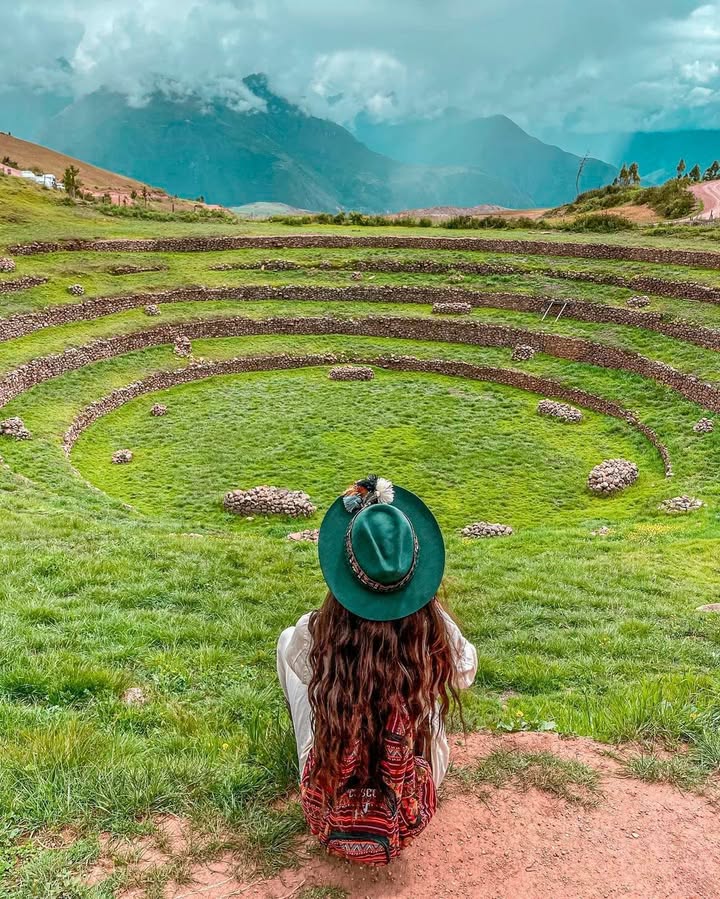
Moray is made up of three sets of circular terraces that, during the Tahuantinsuyo period, were dedicated to the cultivation and experimentation of various plants.
Importance of the archaeological complex of Moray
The archaeological complex of Moray was declared Cultural Heritage of the Nation in 2002 by the National Institute of Culture of Cusco, in recognition of its enormous historical, archaeological, and cultural value within the legacy of the Inca civilization.
Conclusion
Moray was considered an Inca agricultural laboratory. In this place, various species of plants were cultivated that formed an essential part of the Inca civilization’s diet. It stands out for its advanced hydraulic and drainage engineering, applied in each terrace to guarantee optimal cultivation conditions in different microclimates.
This system allowed agricultural products to grow in controlled environments, demonstrating the high technological level achieved by the Incas. Today, it no longer serves agricultural functions but has become a tourist attraction of great importance in Cusco, accessible by road from the imperial city toward Urubamba. This archaeological site is an impressive example of the legacy of our ancestors, who left us a unique work of agriculture and top-level engineering.
Contact us:
With Life Expeditions, your dream trip to Peru becomes a reality. Specialists in the Inca Trail, Ausangate, Salkantay, and tailor-made packages, we take you to unique places such as:
Ready for a personalized adventure? Your adventure begins now!