
Waqrapukara: An Archaeological and Natural Treasure of Cusco
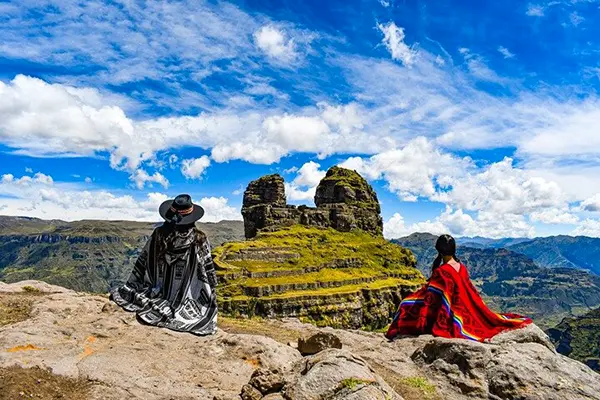
This archaeological treasure is one of the most impressive destinations in Cusco and Peru. Its imposing architecture, combined with breathtaking natural scenery, makes this place an unforgettable experience for lovers of trekking, history, and spiritual connection with nature. Just looking at it leaves those who venture to discover Waqrapukara speechless.
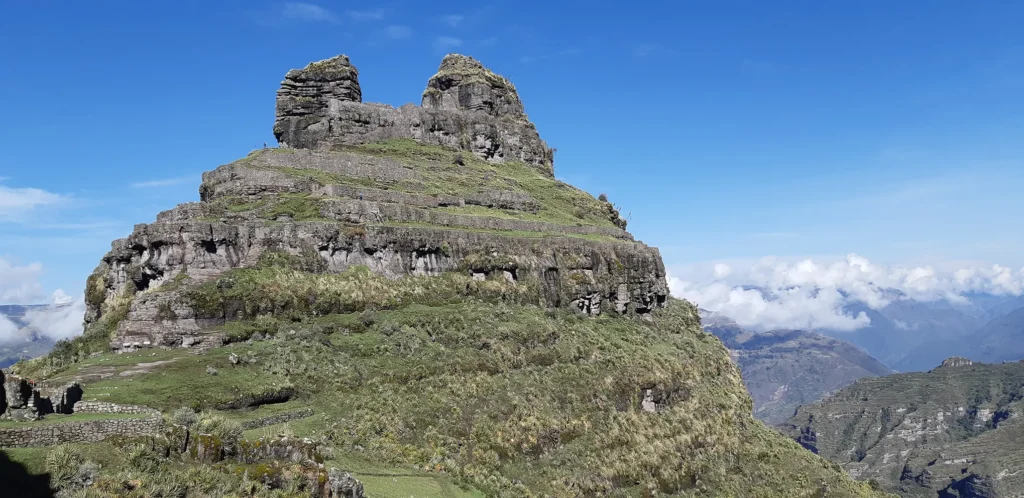
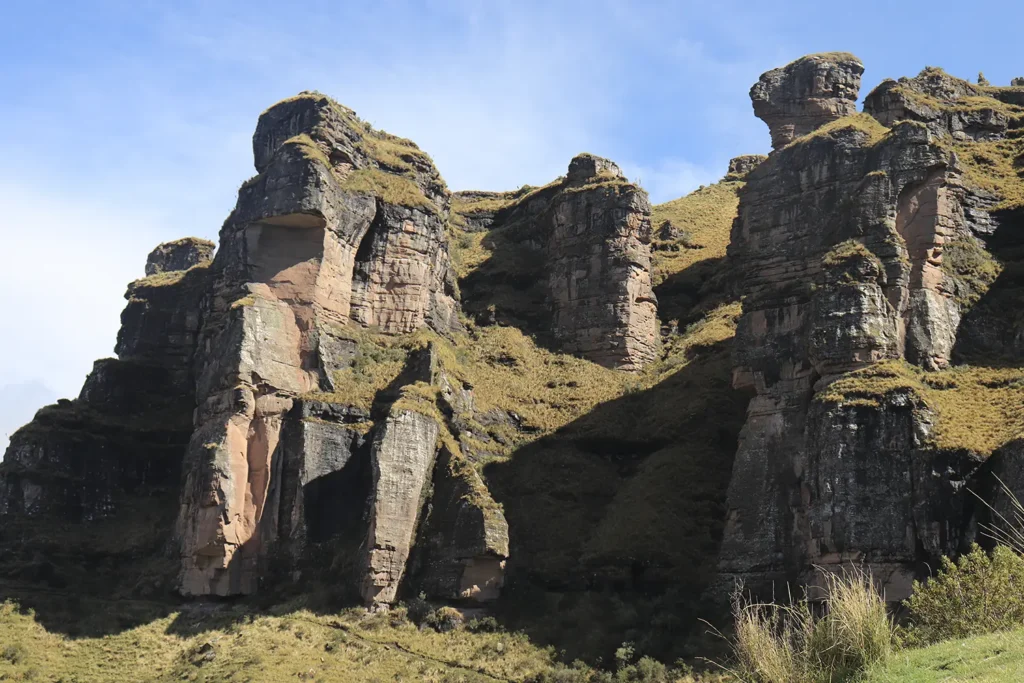
Tabla de Contenidos
What is Waqrapukara and what does its name mean?
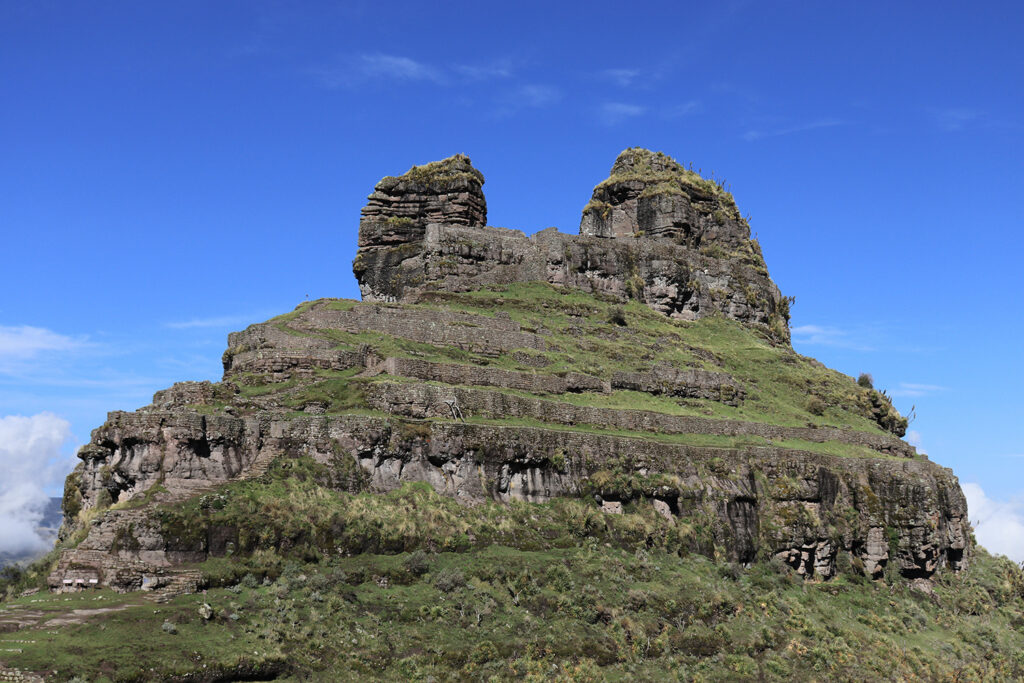
The name Waqrapukara comes from Quechua and is usually translated as “fortress of horns” or “mountain of horns,” due to the peculiar shape of its rock formations. However, some specialists point out that cattle did not exist in Inca times, so this name may not be entirely accurate.
Therefore, it is suggested that the site was originally known as Llamapukara (fortress of the llama), a term more in line with the Andean cultural context. Another possible name is Llaqtapukara, which would translate as “barracks of the people,” referring to its function as the last refuge of the Qanchis population’s resistance against the Inca conquest.
According to linguistic and archaeological interpretations—such as those of archaeologist Miguel Cornejo—Waqrapukara clearly represents the architecture of power, reflecting political, religious, and strategic control.
Location and altitude
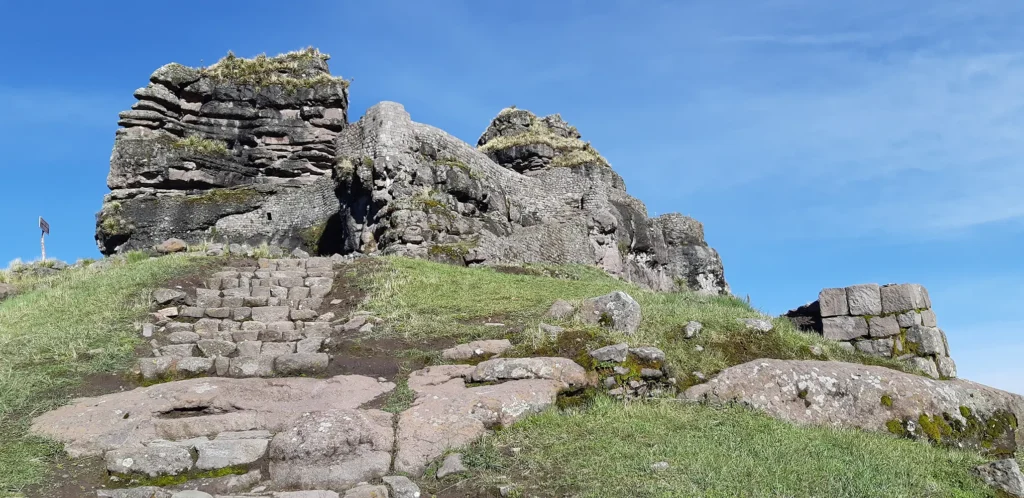
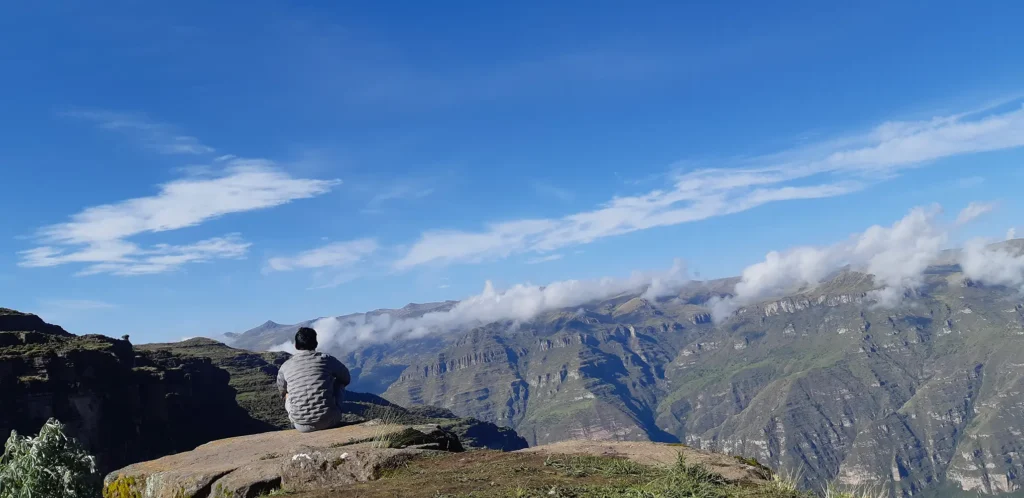
This magnificent archaeological site is located in the district of Acos, province of Acomayo, in the department of Cusco, at an altitude of approximately 4,140 meters above sea level (masl). Its privileged location offers spectacular panoramic views of canyons, mountains, and Andean valleys.
Climate and best time to visit the archaeological site
- May to October: Cold and dry season, considered the best time to visit Waqrapukara. There is less rain, clear skies, and clearer landscapes, although during the day there can be intense sun.
- November to April: Rainy season, with more precipitation and wind.
Temperatures range from a high of 19°C to a low of 6°C, with nights being considerably colder.
Access routes
There are several routes to reach the archaeological site, depending on your level of experience and the time you have available:
Wayqui – Waqrapukara Route
1 hour and 30 minutes walk
The most recommended route, ideal for short walks with breathtaking views.
Champi – Waqrapukara Route
- 2 hours and 30 minutes
- Starts from the town center of Champi.
Acomayo Route – waqrapukara
- Starts on the paved road from Acomayo.
- Approximate duration: 4 hours and 30 minutes.
Sangarará – Waqrapukara Route
- Approximately 5-hour hike.
Pitumarca – Waqrapukara Route
- 5-hour hike
- Includes views of Pitumarca Lake.
Chosecani – Waqrapukara Route
- 5 hours
- Connects with the Sangarará route.
Santa Lucía – Waqrapukara Route
- 2-hour hike
- One of the most accessible routes.
Recommendation: If you are unfamiliar with the route, it is advisable to hire a travel agency or hire specialized local guides.
Excursion: Tour Itinerary
The Waqrapukara excursion with Life Expeditions is an adventure and cultural experience that starts very early, with pickup from your hotel in Cusco at 4:00 a.m
The trip heads towards the South Valley, with a stop in Quiquijana to enjoy an energizing breakfast. Along the way, you can admire natural landscapes such as the Pomacanchi lagoon, one of the largest in the region, surrounded by agricultural fields and Andean mountains.
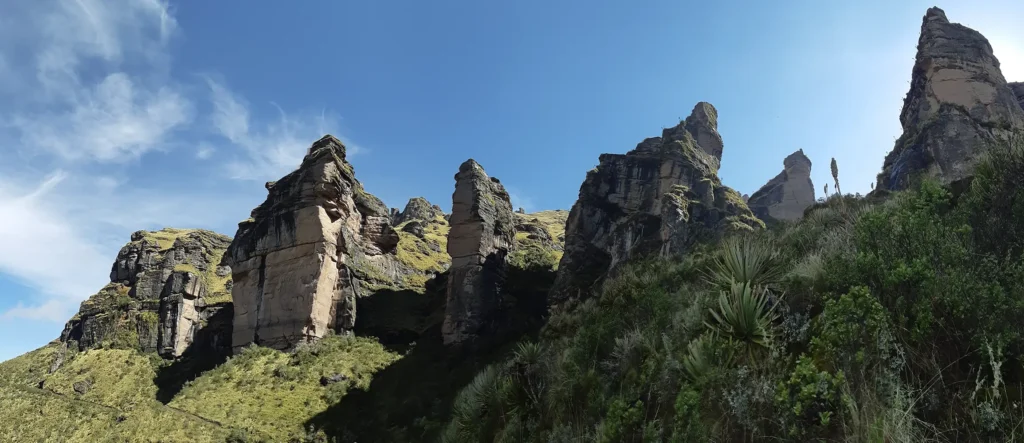
Afterwards, you will travel along an unpaved road to the village of Santa Lucía, the starting point of the hike. The approximately three-hour trek offers spectacular views of the Apurímac River Canyon, one of the most impressive in Peru.
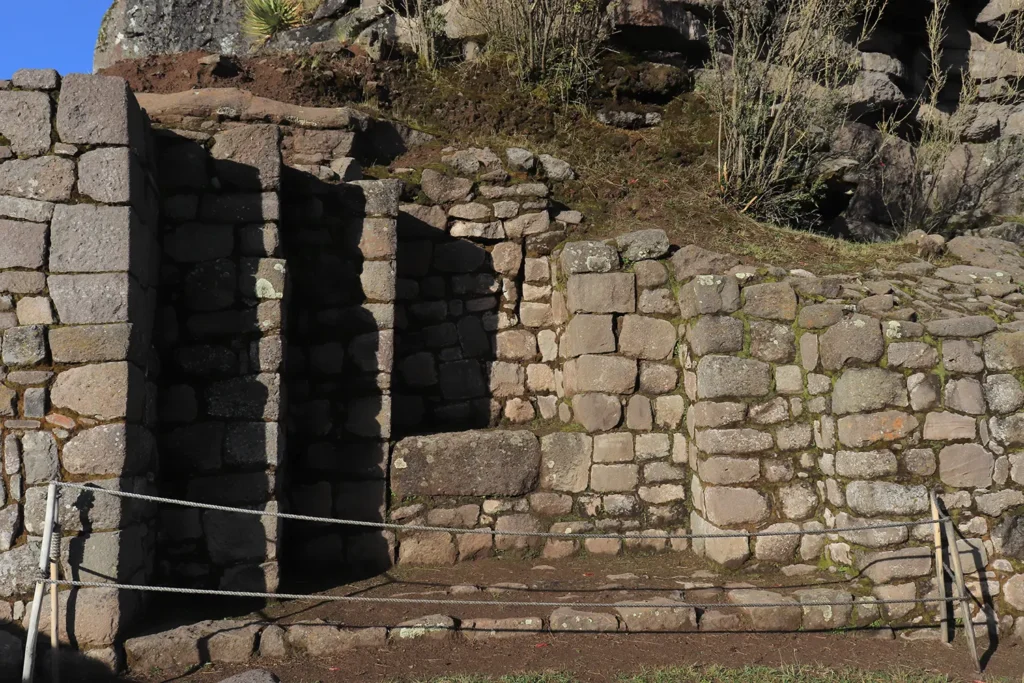
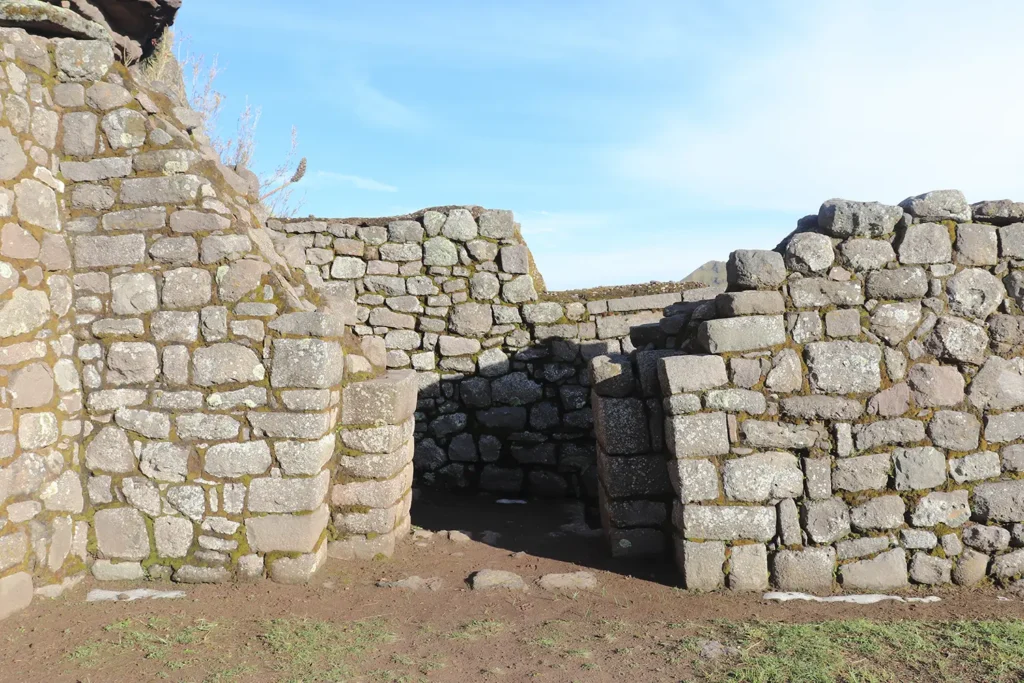
At the Waqrapukara viewpoint, there is a break to take photographs of the horn-shaped fortress and the canyon. Then, we descend to the archaeological site.
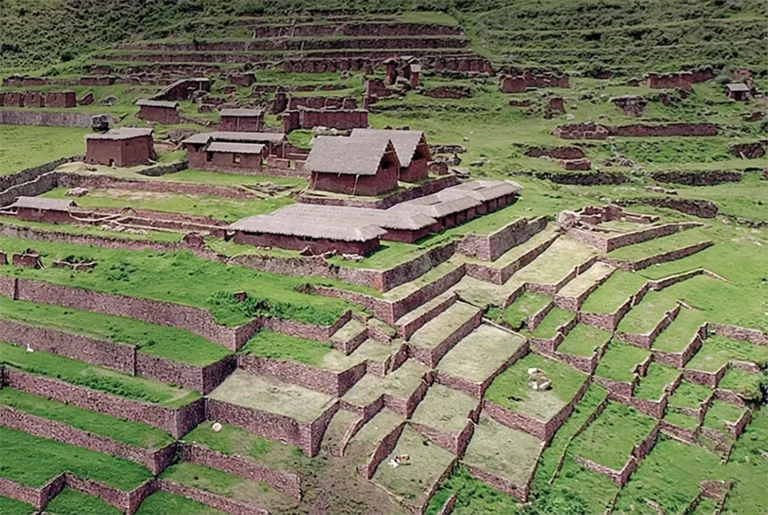
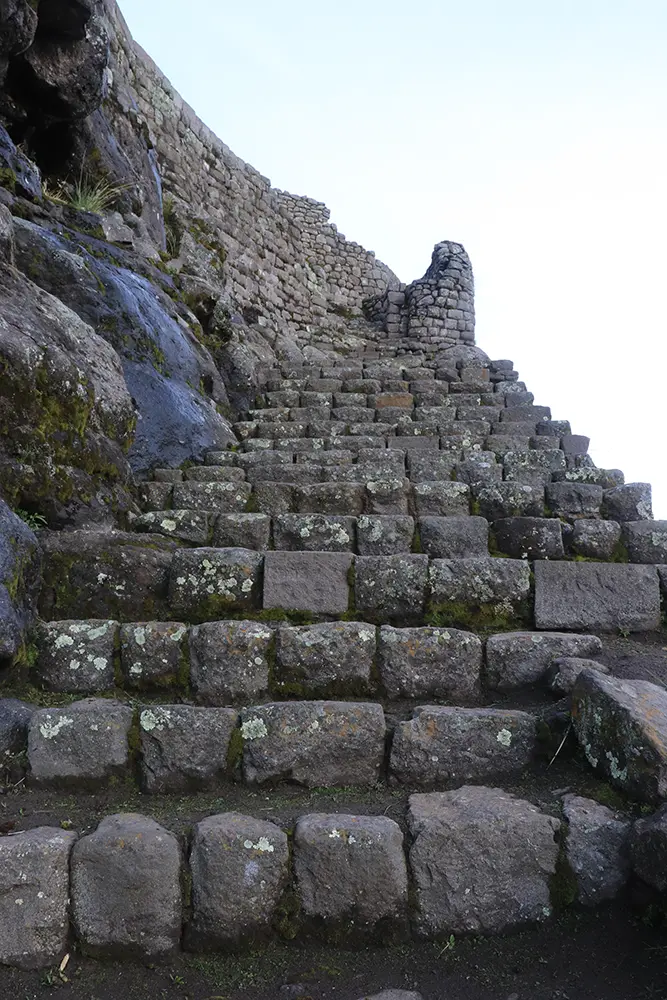
The guided tour lasts approximately 90 minutes, during which you will explore temples, terraces, and pre-Inca and Inca structures. The return to Cusco is via the same route, arriving at approximately 7:00 p.m.
What should I bring for the trip to Waqrapukara?
Since this is a desolate area with no supply points, it is recommended that you bring:
- Warm clothing
- Waterproof or windproof jacket
- Sunscreen
- Cap or hat
- Hiking boots
- Water bottle
- Personal first aid kit
- Light snacks
This equipment guarantees a comfortable and safe experience.
History and cultural value
It was an important administrative and religious center during different stages of human occupation. The first inhabitants were the Qanchis ethnic group, around 2500 BC, who used it as a place of worship for the god Teqsi Pachacamaq Wiraqocha.
During the expansion of the Inca Empire, the site maintained its strategic importance. In Inca times, it was the scene of a rebellion led by Ttito Qosñipa against the Inca Wayna Qapaq, due to increased textile taxes.
Ttito Qosñipa took refuge for months in Waqrapukara, during which time it is believed that the two watchtowers were built. The conflict ended with a political strategy: the Inca gave him a royal princess as his wife and incorporated him into his army. Since then, Waqrapukara has been established as the official sanctuary of the Sun God. The site was declared a National Cultural Heritage Site on July 17, 2017.
Conclusion
Waqrapukara is not just a tourist destination, but a place where history, spirituality, architecture, and nature converge. Its majesty and profound cultural significance make it an essential destination for those who wish to learn about the Andean legacy beyond the traditional circuits of Cusco. Visiting Waqrapukara means walking among sacred mountains and reliving the resilience and grandeur of pre-Hispanic civilizations.
Contact us:
With Life Expeditions, your dream trip to Peru becomes a reality. Specialists in the Inca Trail, Ausangate, Salkantay, and tailor-made packages, we take you to unique places such as:
Ready for a personalized adventure? Your adventure begins now!