
San Sebastian – 1st Phenomenal Festival with Identity, Spirituality, and Culture
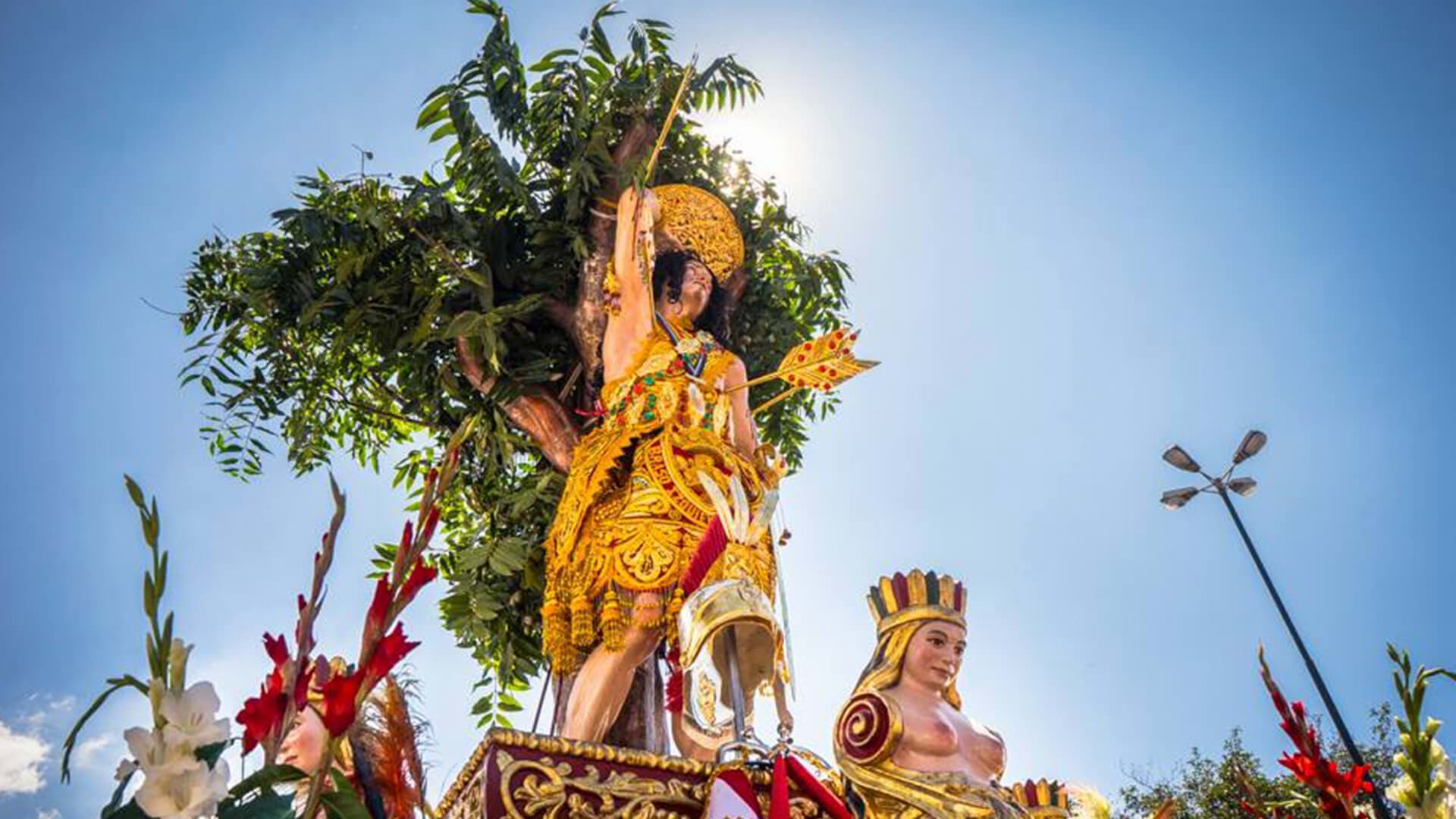
The Festivity of San Sebastian is one of the most representative celebrations of the Imperial City of Cusco, commemorated every January 20th in the district that bears his name. This event harmoniously blends religious devotion with ancestral traditions, unfolding a mosaic of music, dances, gastronomy, and artistic expressions that captivate both the local community and visitors.
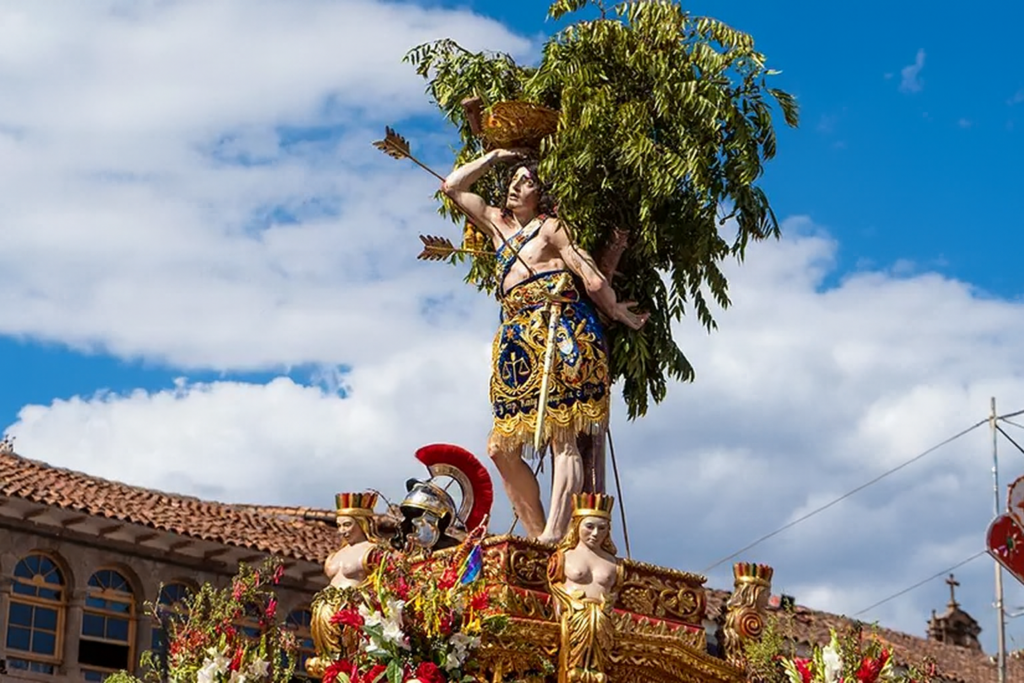
Recognized as part of the National Cultural Heritage of Peru, its roots date back to the colonial period. Today it continues to be a meeting place where the Catholic faith dialogues with Andean customs, reaffirming the spiritual and cultural richness of the region. More than just a festival, it is a living manifestation of identity and syncretism that turns San Sebastián into a stage of celebration, memory, and tradition.
Tabla de Contenidos
How to get to San Sebastián?
San Sebastián district is located about 15 minutes from Cusco’s historic center. It is easily accessible by public transportation, taxi, or private vehicle, following the Cusco – San Sebastián route along Avenida de la Cultura.
When is the Feast of Saint Sebastian celebrated?
The Festivity of San Sebastian is celebrated every year on January 20th, becoming an emblematic date that brings together tradition, faith, and culture in this Cusco district.
History of Saint Sebastian
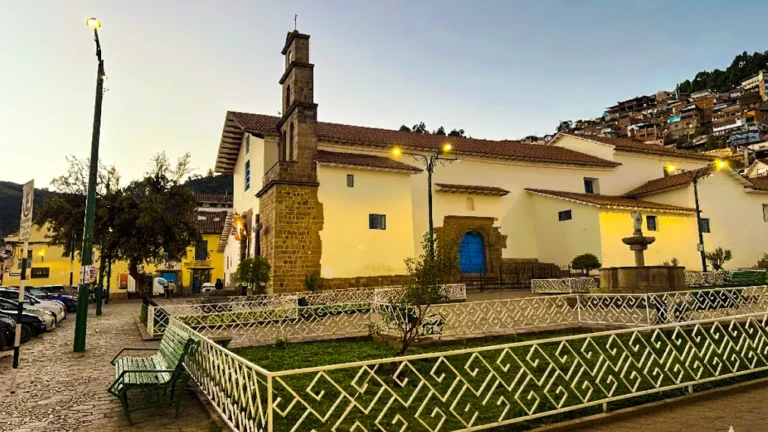
Devotion to San Sebastian, a Christian martyr of the 3rd century, arrived in Cusco with the Spanish evangelization process. In 1570, the Church of San Sebastián was built, considered one of the oldest temples in the city, and since then the saint has been venerated as the patron and protector of the district.
The celebration combines the solemnity of Catholic tradition with the vitality of Andean rituals, through which the community expresses gratitude and wishes for prosperity by means of dances, music, and a wide variety of traditional dishes.
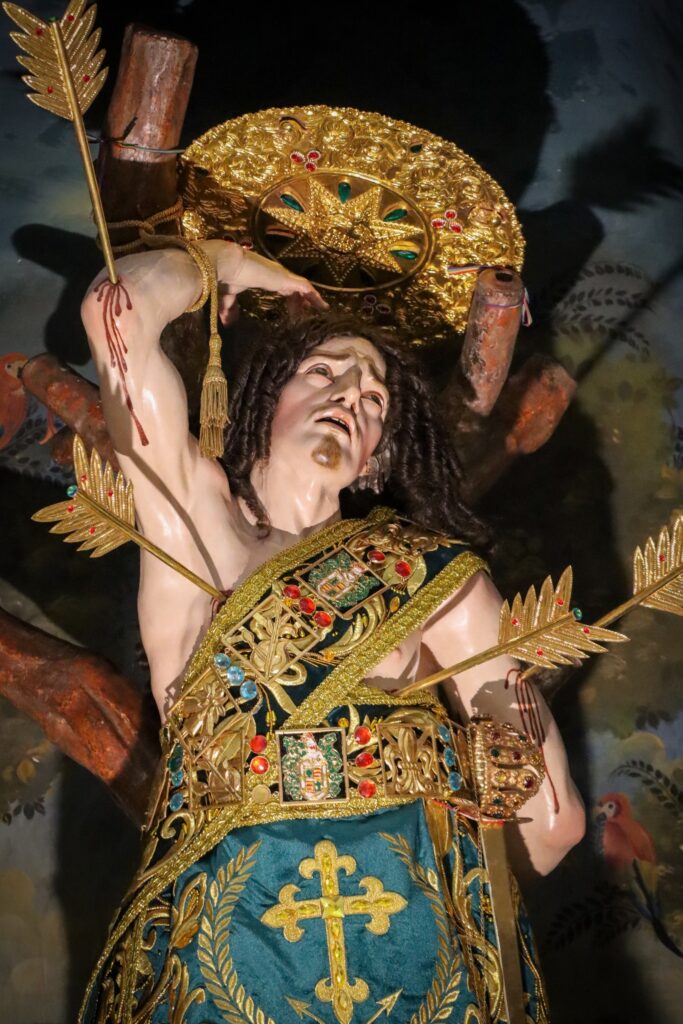
In recent memory stands out the 2016 fire, which seriously damaged the church and affected valuable works of the Cusco School, including paintings attributed to the master Diego Quispe Tito. The restoration process, still ongoing, symbolizes not only the physical recovery of the temple, but also the deep cultural, spiritual, and artistic importance that this festivity and its setting hold for Cusco.
Traditional dances of the Feast of Saint Sebastian
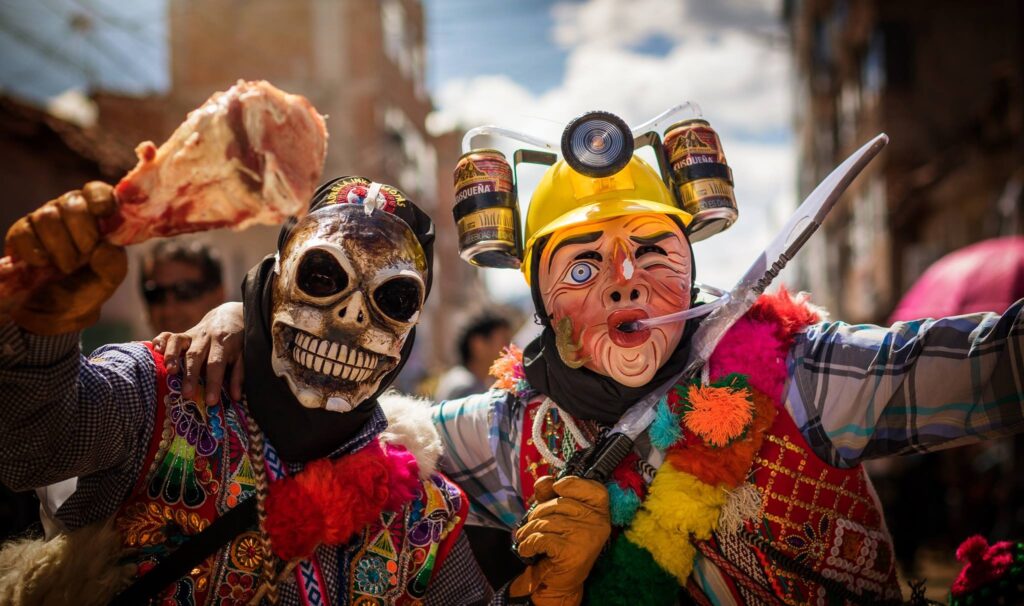
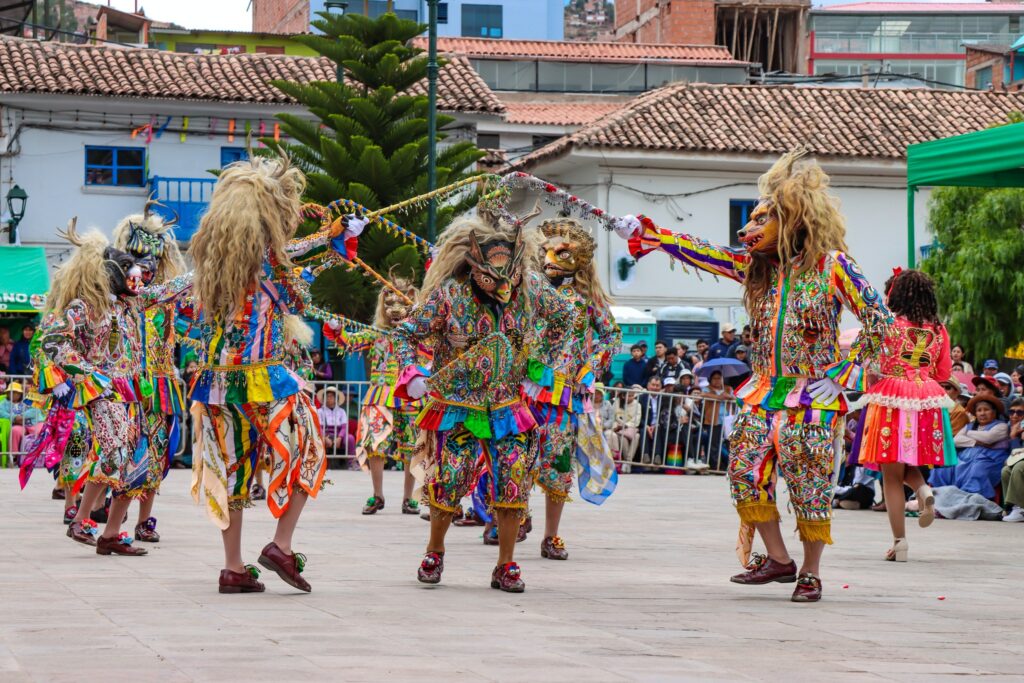
The Festivity of Saint Sebastian is experienced as a unique cultural spectacle, where the diversity of dances turns each day into a mosaic of tradition and creativity. Among the most representative are:
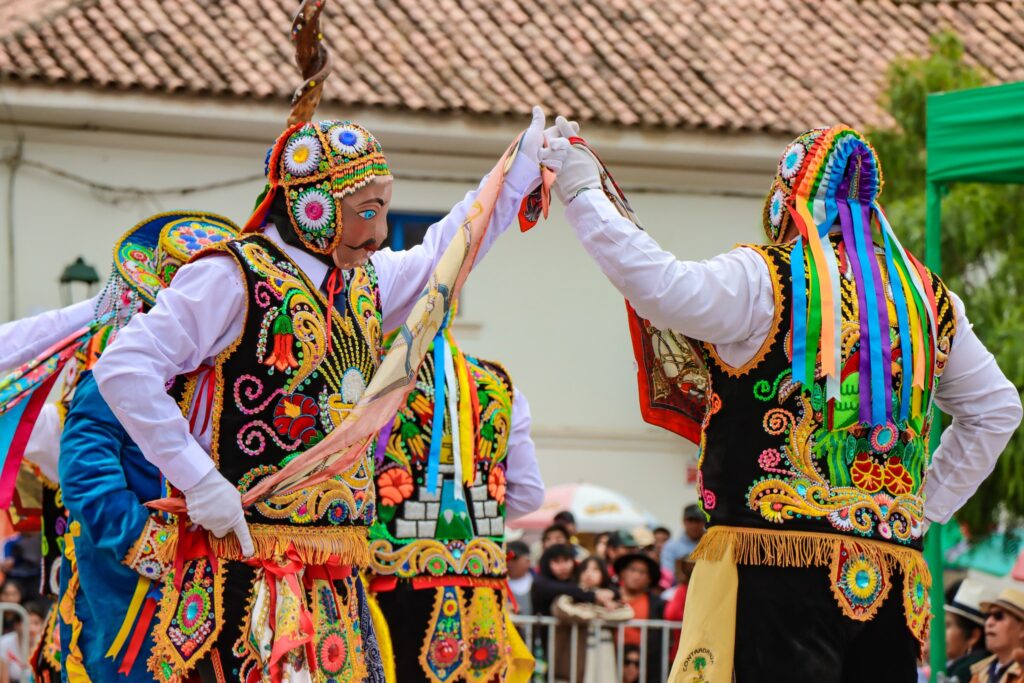
- Contradanza: Of colonial roots, it fuses European steps with deep Andean symbolism.
- Coyacha or Mestiza Coyacha: A living expression of cultural mixing, reflecting the union of Spanish and indigenous cultures.
- Saqra: With dazzling costumes and demonic masks, it dramatizes the eternal struggle between good and evil.
- Qhapaq Qolla: Evokes the highland merchants who arrived in Cusco during colonial times, a symbol of exchange and prosperity.
- Chunchachas: Joyful, colorful, and energetic dances that spread enthusiasm through their agile movements.
Each dance group prepares for months, carefully crafting costumes, music, and choreography. The result is an authentic living gallery of art, identity, and collective memory.
Conclusion
In short, the Feast of Saint Sebastian not only marks the beginning of a new festive cycle in Cusco, but also offers the opportunity to experience the union of tradition, faith, and community. Those who immerse themselves in this celebration not only witness artistic expressions and ancestral customs, but also carry with them a deep and transformative memory that strengthens their bond with Andean culture.
Contact us:
With Life Expeditions, your dream trip to Peru becomes a reality. Specialists in the Inca Trail and tailor-made packages, we take you to unique places such as:
Ready for a personalized adventure? Your adventure begins now!