

PUERTO CALIZ: The Ice Giant Hidden in the Vilcanota Mountain Range
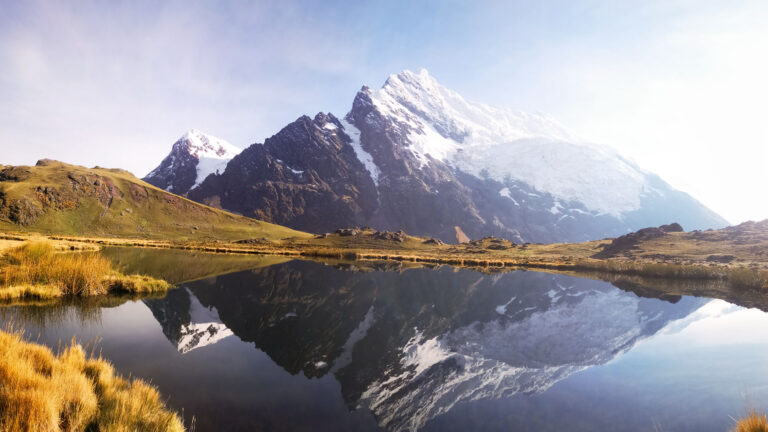
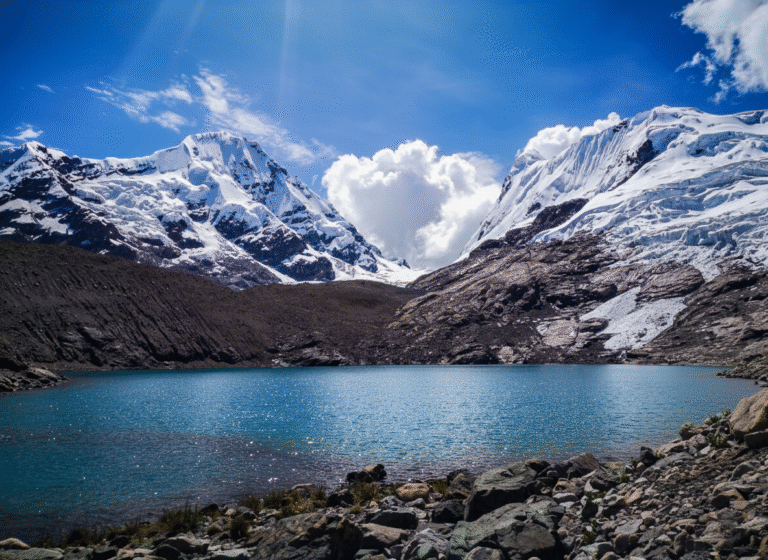
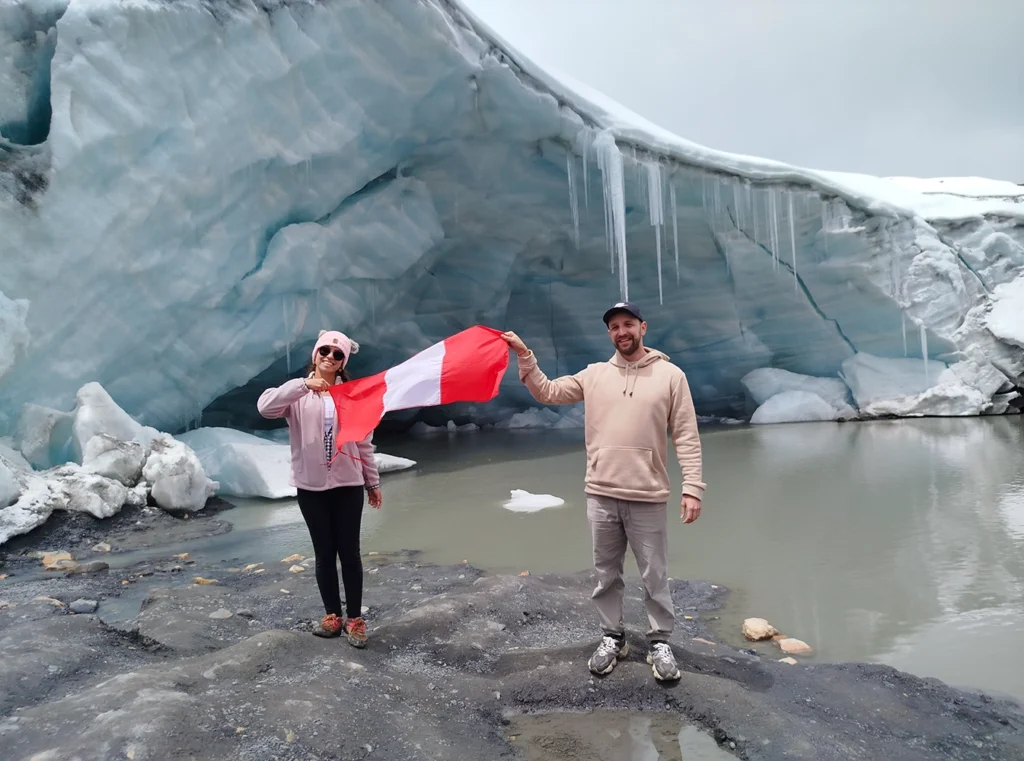
In the most imposing heights of Cusco, among ancient mountains and a landscape that seems otherworldly, lies Puerto Cáliz, one of the most amazing glaciers in Peru. Surrounded by pure nature, wildlife, and a community that preserves its traditions, this glacier has become a destination that impresses with its grandeur and history. Below, discover its true essence, how to get there, and why it is considered a natural jewel of the Andes.
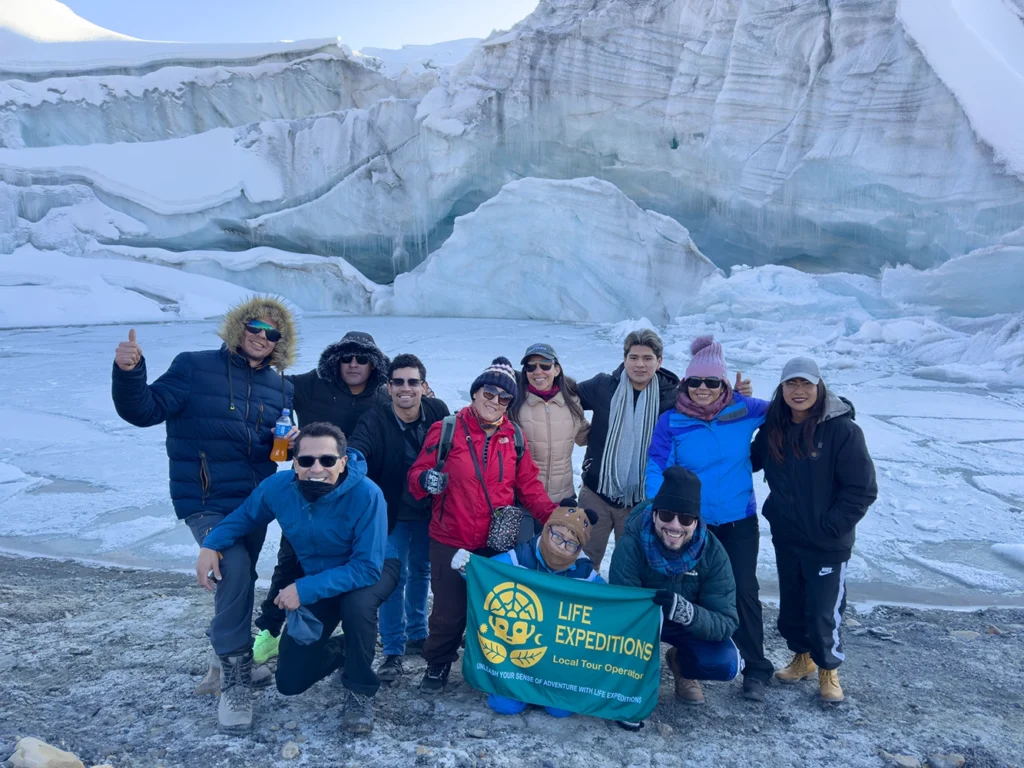
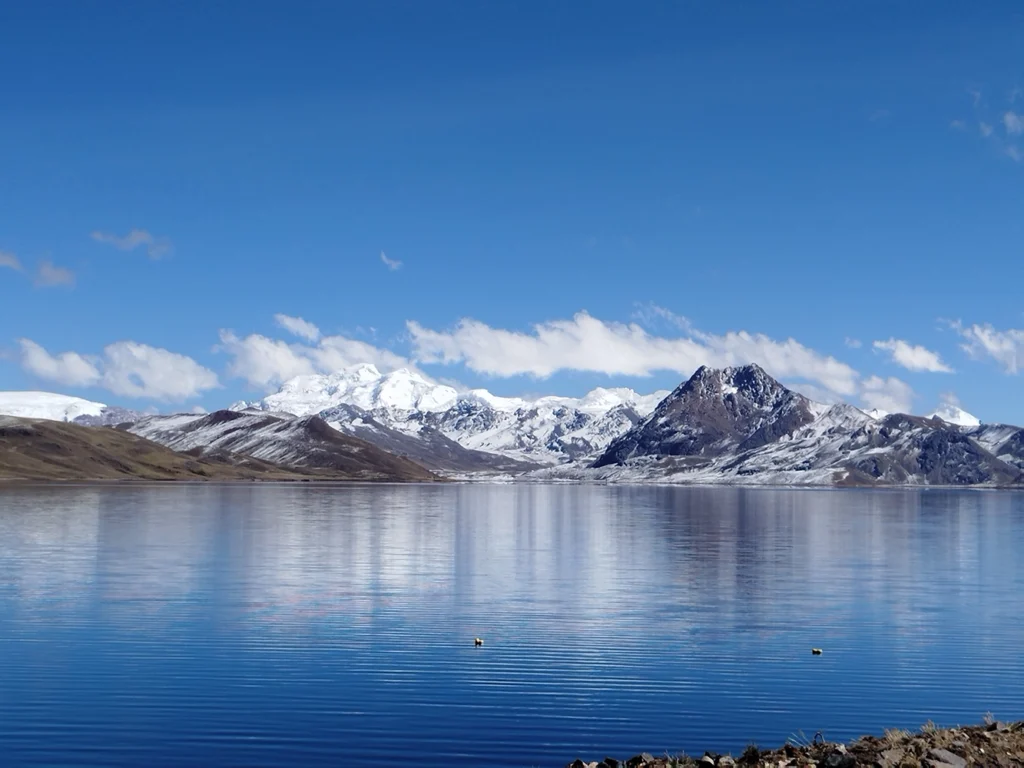
Tabla de Contenidos
Puerto Cáliz: Glacier, History, and Life Around It
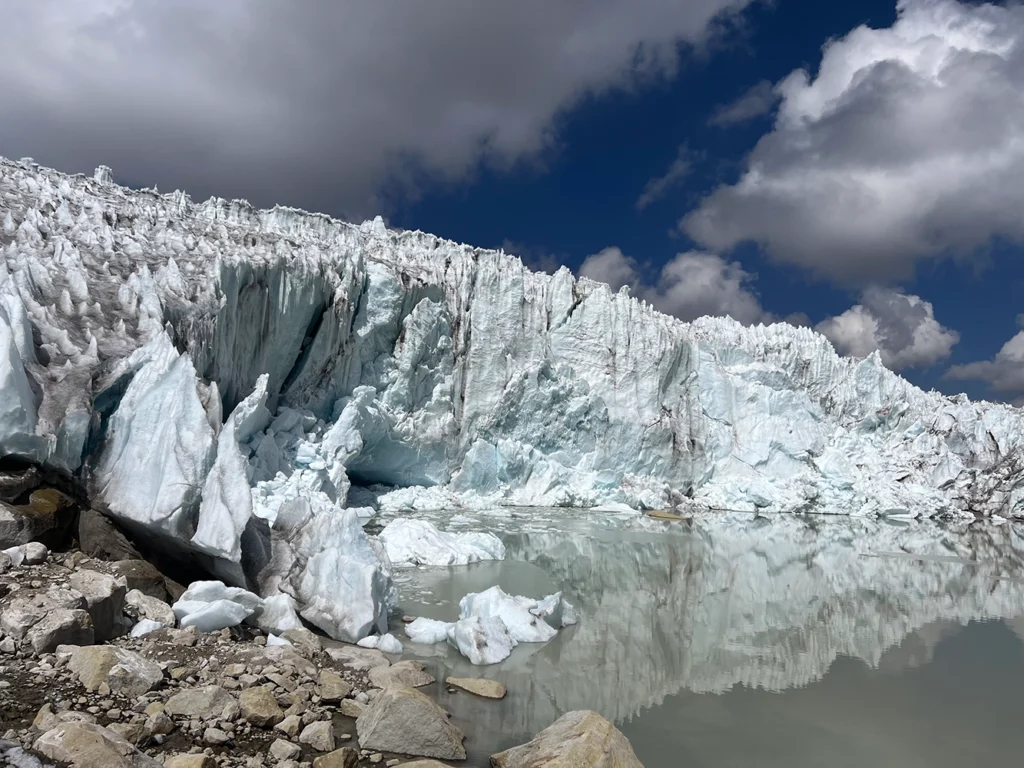
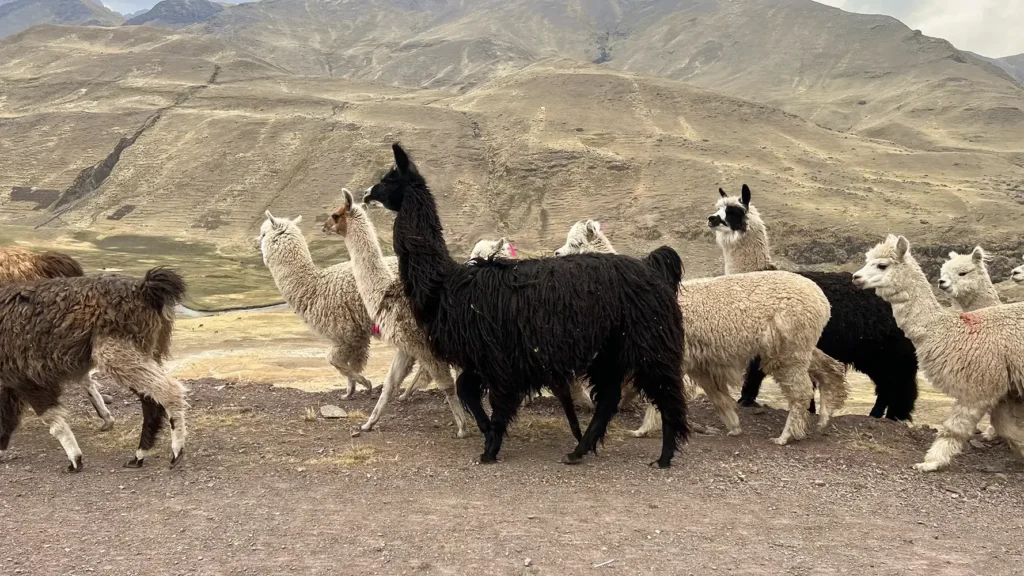
The Puerto Cáliz glacier is a natural wonder not only because of its imposing mass of ice, but also because of its surroundings. In the surrounding area, it is common to find vicuñas, vizcachas, llamas, alpacas, sheep, and even foxes, animals that coexist in this cold and majestic ecosystem.
This glacier was formerly known as Quelccaya and later as Suyuparina, but the official name that identifies it today isPuerto Cáliz, which often causes confusion among many visitors.
Dimensions and location
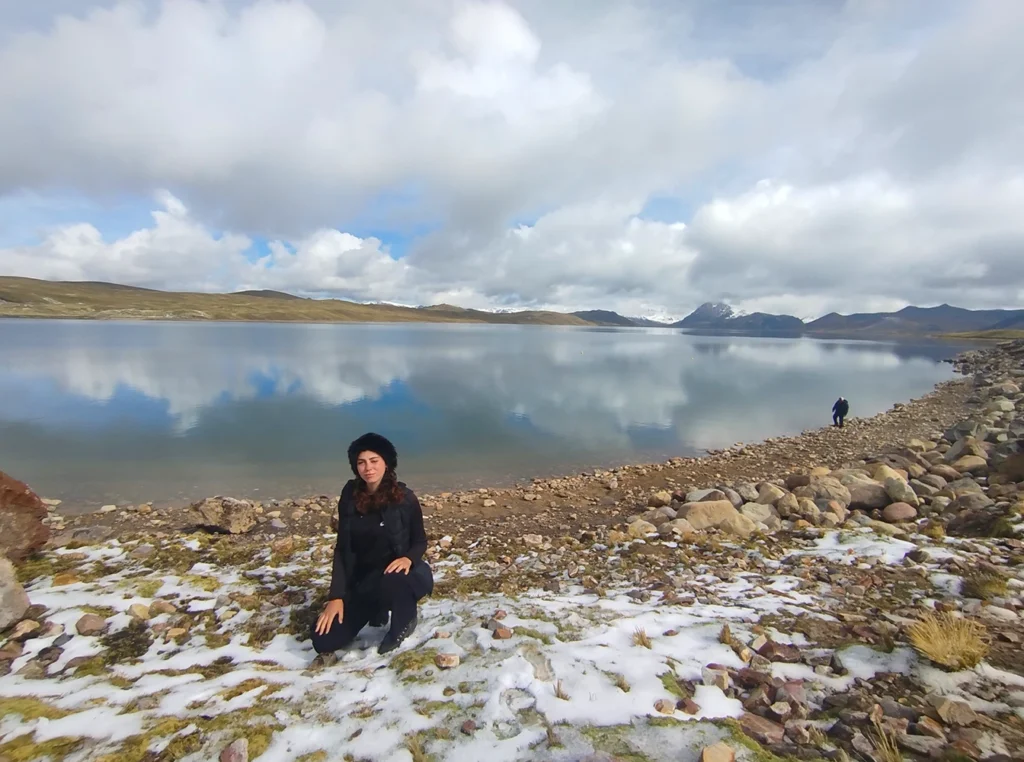
Puerto Cáliz has been the subject of scientific research for many years. It is located in the community of Phinaya, Pitumarca district, in the Cusco region.
This glacier is located in the Vilcanota mountain range, between Cusco and Puno, one of the most impressive mountain ranges in Peru. The Vilcanota surpasses even the Cordillera Blanca in snow coverage, with an approximate length of 134 km.
Characteristics of the Puerto Cáliz glacier:
- Altitude: 5,659 meters above sea level.
- Thickness: 200 meters.
- Length: 17 kilometers.
- Ancho: 44 km
How to get to Puerto Cáliz
To visit this majestic glacier, you must first take the route to Sicuani.
From there, there are two paths:
- Onocora – Santa Bárbara Route
- Checacupe – Pitumarca – Phinaya Route
The trip takes approximately 4 hours and 25 minutes.

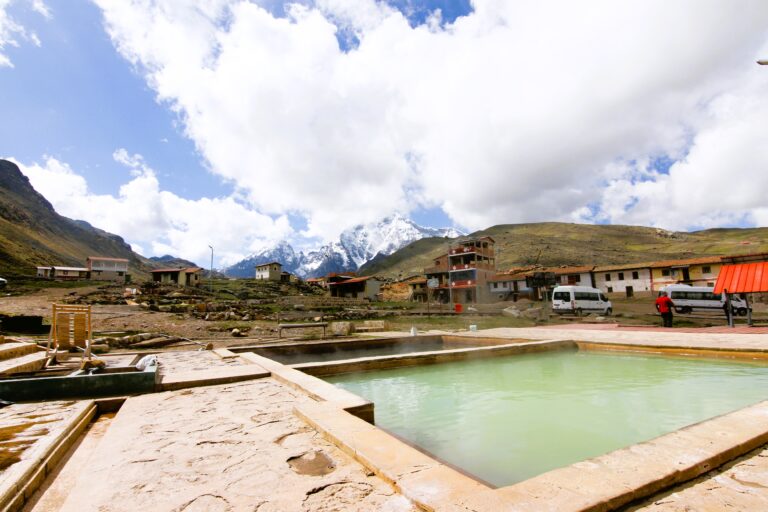
Phinaya: A Community Resisting Climate Change
The community of Phinaya is located at 5,100 meters above sea level, with a cold, dry climate that can vary between –17°C and 17°C. It is made up of around 50 families, mainly engaged in South American camelid livestock farming.
Livestock farming and the local economy
Phinaya mainly breeds Huacayo and Suri alpacas.
Sheep farming is minimal, as these animals need more water and green pasture, resources that are scarce due to the extreme climate. For this reason, the community specializes in camelids, which each villager raises both for consumption and for sale.
In 2023, the area suffered a severe dry season due to the absence of rain. The intense heat caused significant losses of camelids, including abortions in alpacas. However, today the community has managed to recover and currently has a larger population of animals.
The Colonial Chapel of Phinaya
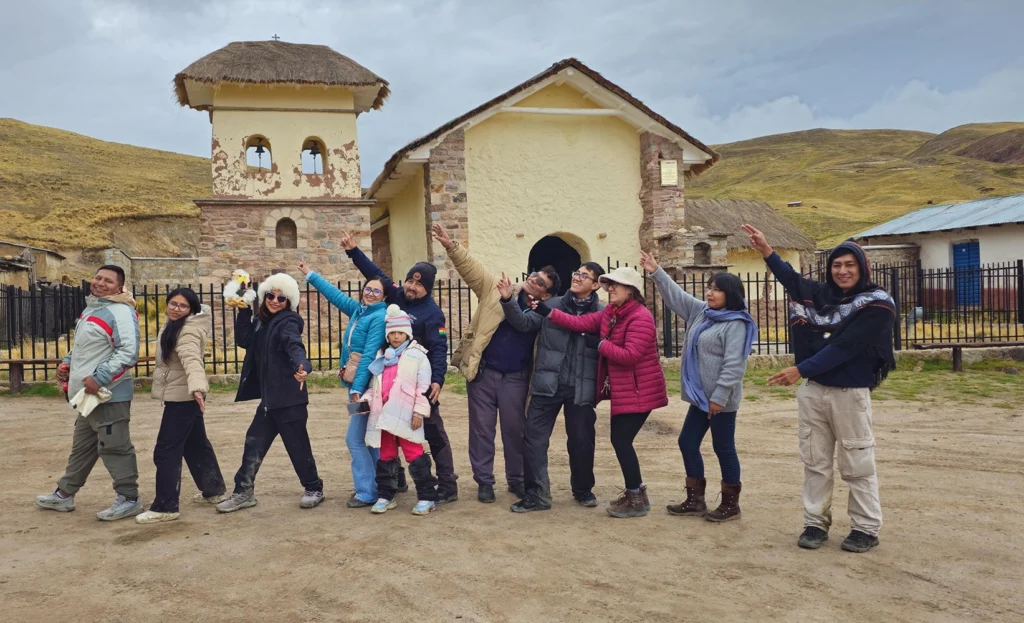
At the heart of thecommunity is the historic chapel of the Immaculate Virgin, of colonial origin and built in 1767.
It was restored in 2014 during the government of Ollanta Humala.
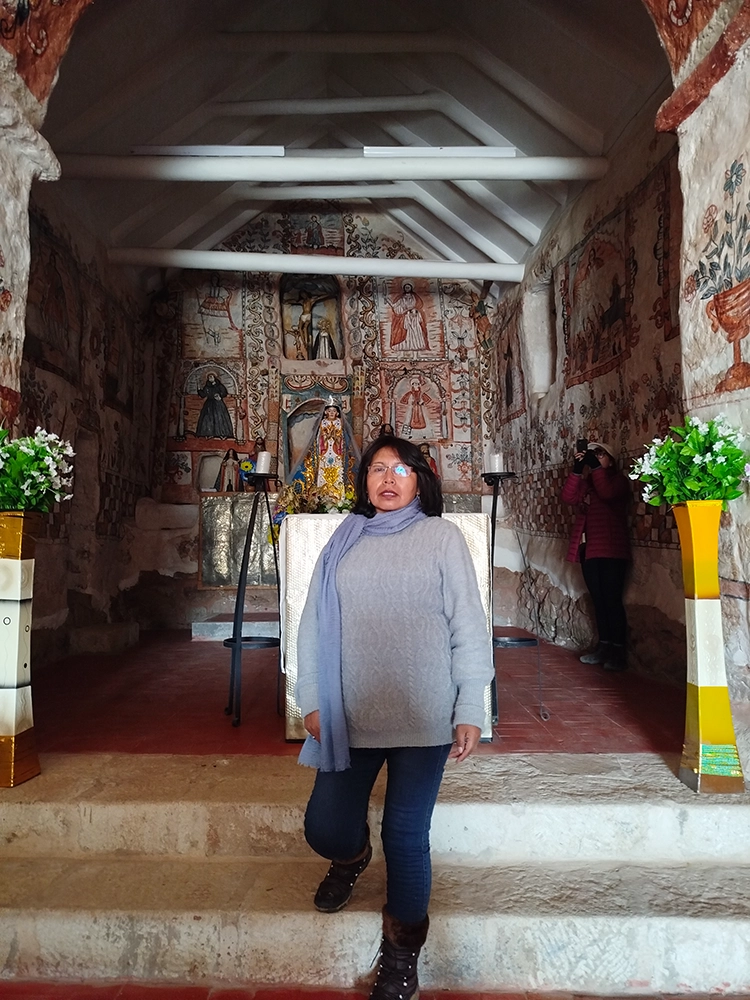
The interior stands out for its beautiful colonial murals, depicting:
- Saint Jerome
- Saint Sebastian
- Saint Christopher
- Saint Blaise
- Our Lady of the Assumption
- Our Lady of Almudena
- Saint Peter
- Saint Anthony
- Saint Barbara
- Our Lady of the Immaculate Conception
A true artistic gem in the middle of the highlands
Conclusión
Puerto Cáliz is more than just a glacier: it is a territory full of life, history, and living culture. Its natural majesty is complemented by the resilience of the Phinaya community, which maintains its traditions and its bond with camelids despite climatic challenges. Visiting this place is like entering a world where nature, science, and spirituality meet. Without a doubt, it is a destination that deserves to be discovered and recognized throughout the world.
Contact us:
With Life Expeditions, your dream trip to Peru becomes a reality. Specialists in the Inca Trail and tailor-made packages, we take you to unique places such as:
Ready for a personalized adventure? Your adventure begins now!